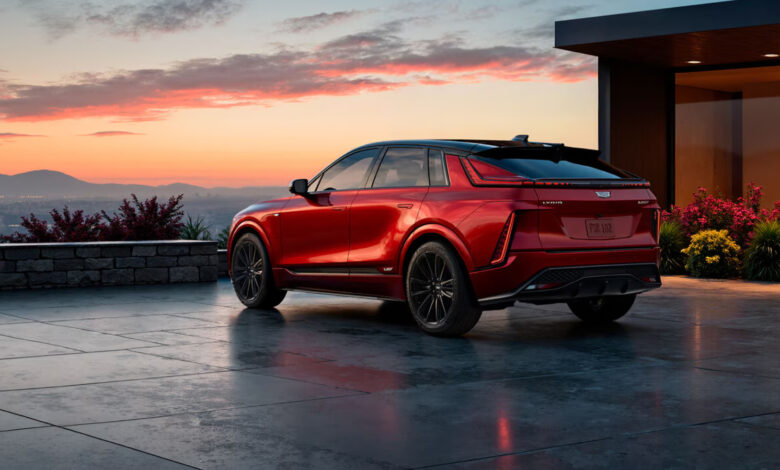
Is the Cadillac Lyriq EV a special case or a precursor to future changes?
Automobile manufacturers are increasingly moving away from Android Auto and Apple CarPlay, opting instead for their proprietary infotainment systems. This shift has sparked a significant debate, with some critics arguing that it represents a broader trend towards subscription models and data exploitation. In contrast, industry leaders claim that this transition offers consumers a more integrated and efficient in-car experience.
General Motors is at the forefront of this transformation. Last year, CEO Mary Barra announced the company’s decision to eliminate Apple CarPlay and Android Auto from its gasoline-powered vehicles, and it also reaffirmed its stance to remove these systems from its electric vehicles by 2023. In lieu of these popular options, GM is enhancing its own infotainment experience by replacing the existing Google operating system with its AI assistant, Gemini. According to a press release from April, GM aims to launch “a bespoke AI assistant, tailored with proprietary vehicle data to intuitively cater to your needs” by the end of 2026.
Despite this broader trend, not all of GM’s vehicles will forgo third-party infotainment systems. Notably, the upcoming 2027 model of Cadillac’s luxury electric vehicle, the Lyriq, will still support both Android Auto and Apple CarPlay. This decision is unexpected, especially given GM’s recent move towards native applications in other electric models like the Chevy Silverado EV Work Truck and GMC Hummer EV, which both lost these functionalities earlier this year. As of now, the Lyriq will remain the sole GM EV available in North America that supports both systems.
Is it an exception or the norm?
While the decision to phase out Apple CarPlay and Android Auto might be contentious, GM executives believe that it will ultimately yield superior products. During an interview on The Verge’s Decoder podcast, Barra shared customer feedback indicating that transitioning between GM’s native system and third-party apps could be “quite cumbersome.” As such, GM is counting on drivers to favor an AI-oriented system offering a wide range of voice commands and smart features, including intelligent route planning and personalized entertainment options.
This approach raises questions about GM’s rationale concerning the Lyriq. According to a report by CarBuzz, a Cadillac spokesperson stated that maintaining the Lyriq’s compatibility with phone mirroring applications was a decision “guided by customer feedback.” However, it remains ambiguous why this logic hasn’t extended to GM’s other models or if it signifies potential future changes.
In emphasizing its own system, GM has also taken strides to ensure access to significant non-native applications—often cited as a key reason for consumers reluctant to solely rely on proprietary infotainment systems. For example, in December, GM announced that Apple Music would be integrated into its in-car software platform for all 2025 and 2026 models. Tim Twerdahl, GM’s VP of global product management, hailed this feature as “the latest demonstration of how we are enhancing entertainment options built directly into our vehicles.” The upcoming Gemini-powered system further integrates Google services, allowing users to access Google Maps and other well-known applications from the Google Play Store.
For GM EV drivers who favor phone mirroring but do not own a Lyriq, the EV Play LT presents a practical solution. This third-party device offers both wired and wireless phone mirroring for Chevy, GMC, and Cadillac electric vehicles, effectively restoring Apple CarPlay and Android Auto features in infotainment systems that lack them. Priced at $199.99 and with no ongoing subscription fees, it could be a perfect fix for those needing additional infotainment capabilities.