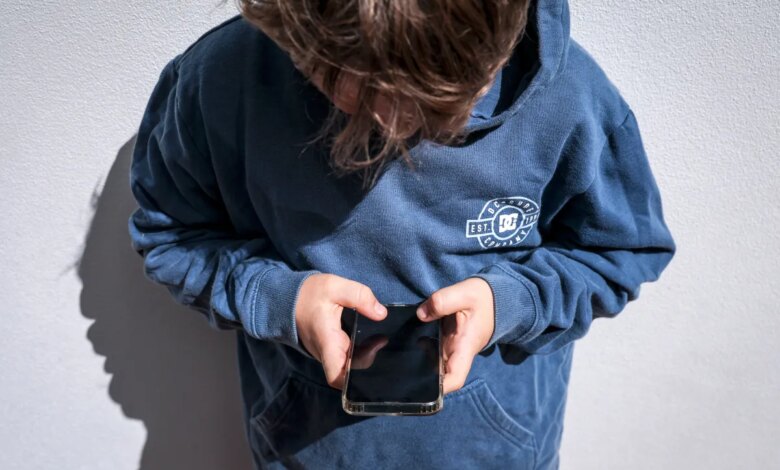
In recent months, various nations have introduced initiatives to limit social media access for minors. Australia led the way by implementing such regulations at the end of last year, setting a benchmark for others to follow. The United Kingdom has now joined this movement, with Prime Minister Keir Starmer announcing a forthcoming ban on June 15.
These governmental initiatives are aimed at alleviating the challenges and dangers faced by young social media users, such as cyberbullying, addiction, mental health struggles, and potential encounters with online predators.
Nonetheless, there are rising concerns regarding privacy issues associated with age verification and extensive government oversight. Critics, including groups like Amnesty Tech, argue that these bans are largely futile and overlook the realities of today’s youth. Despite these criticisms, numerous countries are pushing forward with proposed laws.
Here’s a summary of countries that are either working on or have implemented social media bans for younger users.
Australia
In December 2025, Australia became the first nation globally to prohibit social media access for individuals under 16. This ban specifically affects platforms like Facebook, Instagram, Snapchat, Threads, TikTok, X, YouTube, Reddit, Twitch, and Kick, while excluding WhatsApp and YouTube Kids.
The Australian government has mandated that these social media companies must actively implement measures to prevent children from accessing their platforms. Companies that fail to comply may incur fines of up to 49.5 million AUD (approximately 34.4 million USD).
According to the government, social media platforms are required to utilize multiple verification methods to ensure users are over 16, rather than relying solely on self-reported ages.
Austria
In March, Austria announced its intention to ban social media access for children under the age of 14, with draft legislation expected to be finalized by June.
Canada
The Canadian government introduced a digital safety bill in early June, which would prohibit children under 16 from using social media. The legislation allows social media companies to bypass the ban if they demonstrate effective policies to protect young users. Officials anticipate that it may take a year for the bill to be enacted.
Denmark
Denmark plans to restrict social media access for children under 15. In November 2025, the government announced that it had garnered support for the ban from several coalition and opposition parties in parliament.
These measures could become law by mid-2026, and the Danish Ministry of Digital Affairs is developing a “digital evidence” app that will include age verification functionalities related to the ban.
France
French lawmakers passed legislation in late January prohibiting social media for children under 15. President Emmanuel Macron has endorsed the initiative as a safeguard against excessive screen time for minors.
The bill must still pass through the Senate before it can proceed to the final vote in the lower house.
Germany
In early February, Chancellor Friedrich Merz’s conservative party in Germany discussed a proposal to prevent children under 16 from using social media, though it appeared that coalition partners were hesitant about supporting a strict ban.
Greece
Prime Minister Kyriakos Mitsotakis declared in April that Greece would prohibit social media access for minors under 15 starting in January 2027, aiming to address growing anxiety and sleep issues among young people due to social media use.
Indonesia
Indonesia announced in early March that it would restrict social media use for individuals under 16, targeting platforms such as YouTube, TikTok, Facebook, Instagram, Threads, X, Bigo Live, and Roblox.
Malaysia
The Malaysian government revealed in November 2025 its plans to impose a ban on social media for children under 16, slated for implementation later this year.
Poland
Poland’s ruling party is currently working on legislation to restrict social media access for those under 15, as reported in February.
Slovenia
In early February, Slovenia announced that it is drafting a bill to prevent children under 15 from accessing social media platforms, as stated by the country’s deputy prime minister.
Spain
The Spanish Prime Minister, in early February, indicated plans to restrict social media access for children under 16. Parliament must still approve the ban, and the government is also looking to establish laws holding social media executives accountable for hate speech on their platforms.
Turkey
In April, the Turkish parliament passed legislation aimed at restricting social media for those under 15. The bill requires approval from President Recep Tayyip Erdogan to become law.
UK
On June 15, U.K. Prime Minister Keir Starmer announced the government’s plans to ban social media use for individuals under 16 across various platforms, including Snapchat, TikTok, YouTube, Instagram, Facebook, and X.
However, messaging services such as WhatsApp and Signal will be excluded from this prohibition. Furthermore, restrictions will apply to AI tools, mandating that AI chatbots designed for romantic companionship only be accessible to adults over 18.
Experts have raised doubts about the efficacy of a blanket ban. Starmer recognized the challenges involved but expressed confidence that enforcement is feasible. He projected that the ban could be implemented by spring 2027.
This article was initially published in February 2026 and is regularly updated as new developments arise.