Transforming TikTok: The Journey to Becoming a Multifunctional Super App from Dining to Transactions

TikTok unveiled plans this week to introduce an in-app restaurant guide, representing a significant move in its journey to transform from a social media platform into a comprehensive digital ecosystem. In addition, the platform is reportedly working on a new feature that enables users to transfer money via direct messages.
Over the past few years, TikTok has broadened its features significantly, incorporating TikTok Shop, local discovery maps, enhanced search capabilities, and gaming elements. This evolution is indicative of TikTok’s ambition to become a “super app,” providing users with multiple functionalities beyond just video sharing and viewing, essentially serving as a one-stop destination for a range of services.
The concept of a super app is particularly successful in China, with platforms like WeChat combining various services such as social networking, messaging, and payments. While it’s uncertain whether this model will be as effective outside China, TikTok appears determined to make the attempt.
By reducing the need to switch between different applications, TikTok aims to be the go-to app for a variety of digital tasks. Following its substantial introduction of TikTok Shop earlier this year, which marked its transition to U.S. ownership, the company seems set to replicate this strategy in its latest developments.
Restaurant Guide
TikTok has emerged as a go-to source for restaurant suggestions, with popular videos driving traffic to local dining establishments. Its new feature, “Must Eat,” streamlines this process by showcasing restaurants that are trending on the platform.
This community-guided tool compiles over 40 million posts and comments, enabling users to discover restaurants by city while filtering results by cuisine type, pricing, ratings, and location.
This strategic enhancement positions TikTok as a direct competitor to platforms like Yelp and Google Maps, reflecting its expanding influence in everyday consumer choices, from purchases to dining out.
Payment Features

Reports indicate that TikTok is in the early stages of developing a direct messaging feature for money transfers, utilizing its existing TikTok Pay capabilities available in Southeast Asia for purchases through TikTok Shop.
There have also been applications submitted for regulatory approval in Brazil to operate as a financial technology entity that offers lending and payment services.
This prospective foray into financial services underscores TikTok’s efforts to transform from a social media platform to a more integrated digital ecosystem. The inclusion of payment services could enhance user engagement, diversify revenue streams, and place TikTok in competition with fintech firms and e-commerce platforms.
Sports Content
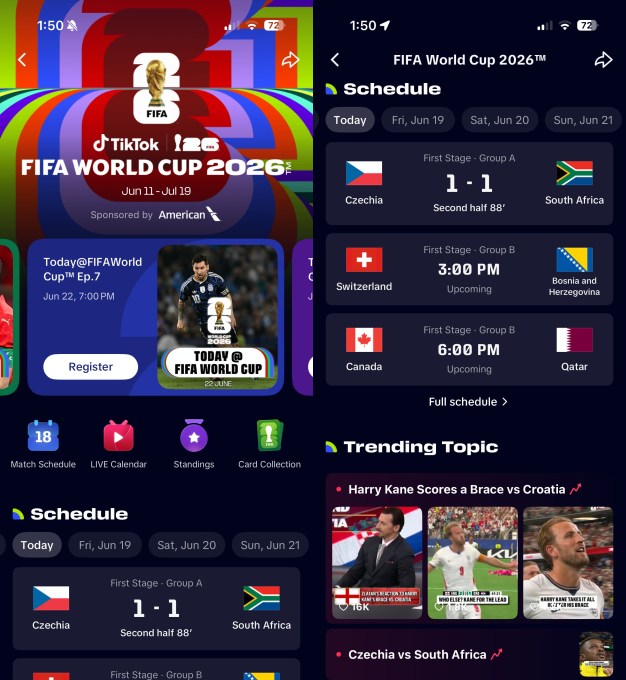
Over the years, TikTok has sought to become a go-to platform for sports content. A dedicated FIFA World Cup hub was launched recently, featuring scores, match schedules, standings, and player videos, enabling users to stay updated without navigating away from the app.
This hub serves as part of TikTok’s “TikTok GamePlan,” aimed at increasing engagement for sports teams, leagues, and broadcasters. The platform has also formed partnerships with Major League Soccer (MLS) and Major League Baseball (MLB) to deliver exclusive behind-the-scenes content.
Booking Hotels and Attractions
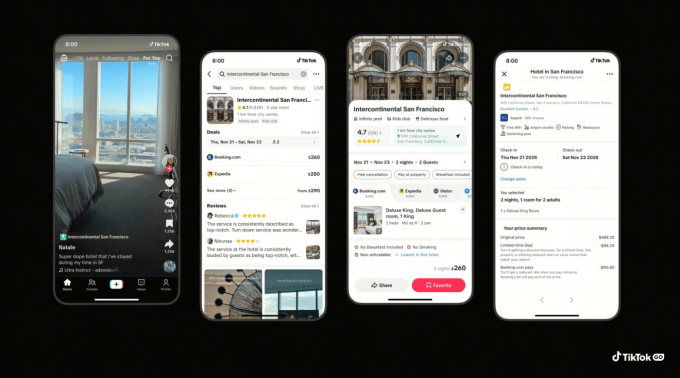
In May, TikTok introduced TikTok GO, enabling users to find and book hotels and attractions directly within the app in the U.S. Users can explore accommodations and activities through video content, searching by interests, and making bookings without being redirected to third-party websites.
This strategic shift positions TikTok as a competitive force against Google in sectors like Search and Maps, as it continues to enhance the user experience with seamless booking capabilities for travel destinations discovered through viral content.
TikTok Shop
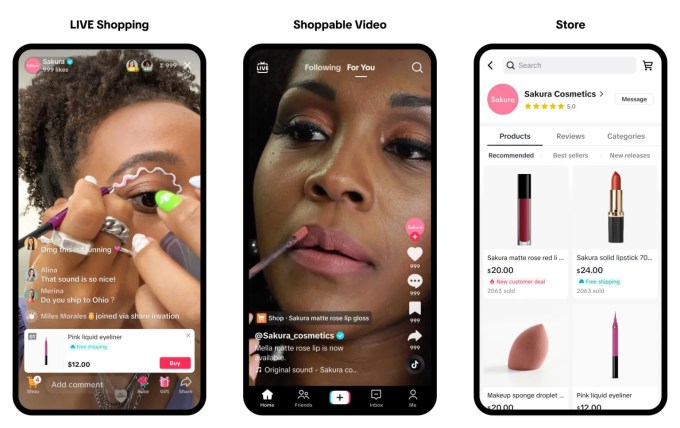
TikTok’s expansion into commerce with TikTok Shop has marked one of its most significant shifts away from traditional social media. Since its U.S. introduction in 2023, TikTok Shop has rapidly grown, achieving notable sales increases and challenging major online retailers like Amazon.
By 2024, sales through TikTok Shop were projected to reach over $15 billion. The platform has also expanded its offerings into luxury goods, enhancing its appeal beyond budget-friendly items.
Music Integration
In response to its significant impact on music discovery, TikTok attempted to launch its streaming service named TikTok Music but ultimately closed it a year later. Instead, it has shifted focus towards partnerships with existing streaming services, allowing users to listen to full songs discovered through the app.
Search and Map Capabilities
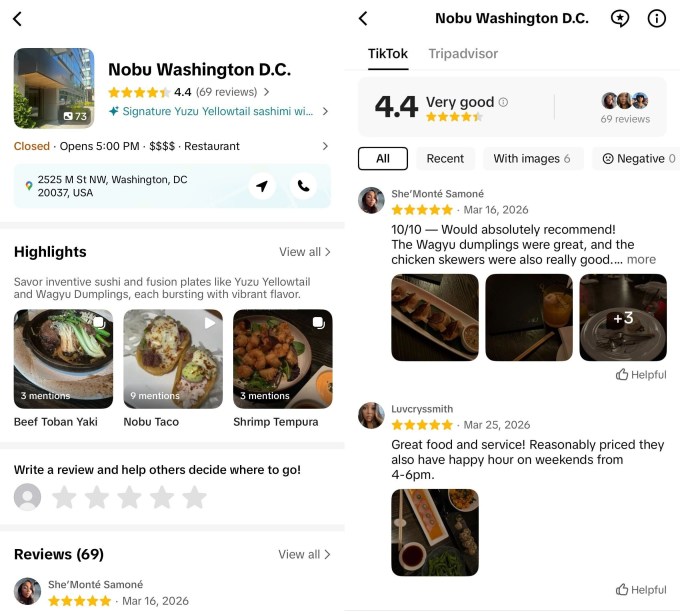
TikTok has enhanced its search functionalities to include maps, local hashtags, and detailed reviews, facilitating easier discovery of dining, travel spots, and shopping experiences. The addition of extensive information about various locations has increasingly reduced the need for users to rely on external search engines for information.
Microdramas and Entertainment
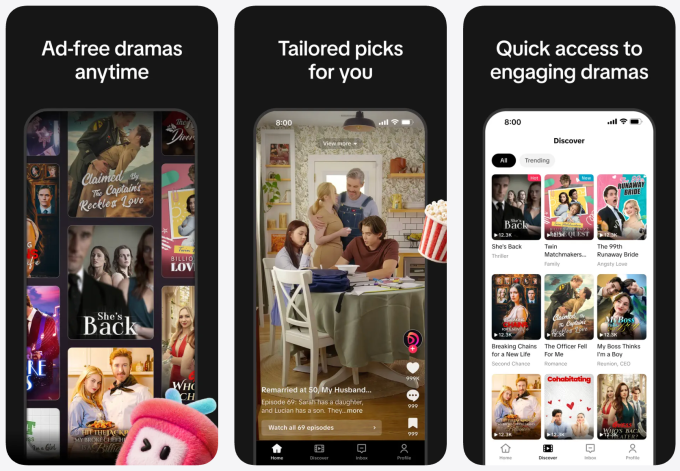
Aside from user-generated content, TikTok has ventured into scripted microdramas with a new in-app section for short series consisting of one-minute episodes. This move places TikTok in competition with traditional streaming services, especially as it continues to expand its content offerings beyond short, viral clips.
Gaming Features
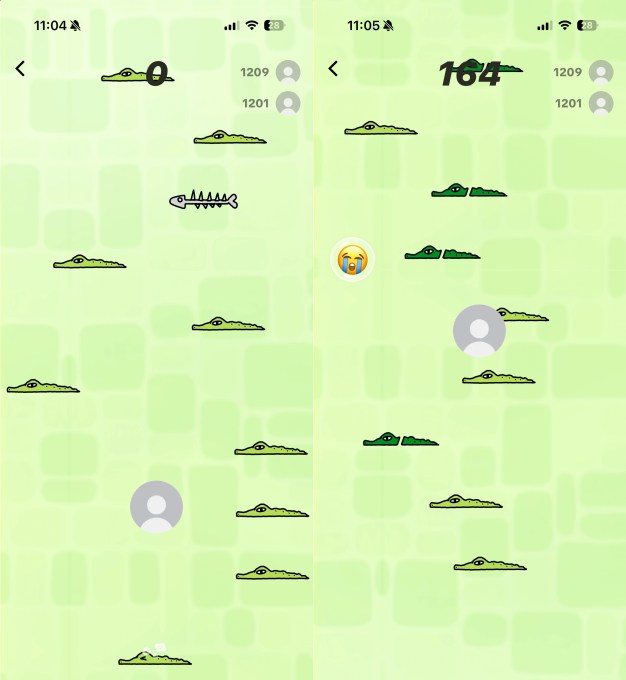
Lastly, TikTok has introduced a range of casual games within its app to further engage users and encourage interaction through direct messages. This initiative reflects TikTok’s ongoing efforts to evolve from a social media service into a comprehensive entertainment platform, allowing users not just to consume content but also to engage in social play.