Microsoft is actively addressing long-standing issues within Windows 11 as it launches a substantial update initiative aimed at enhancing both performance and key applications, including a revamped Photos app.
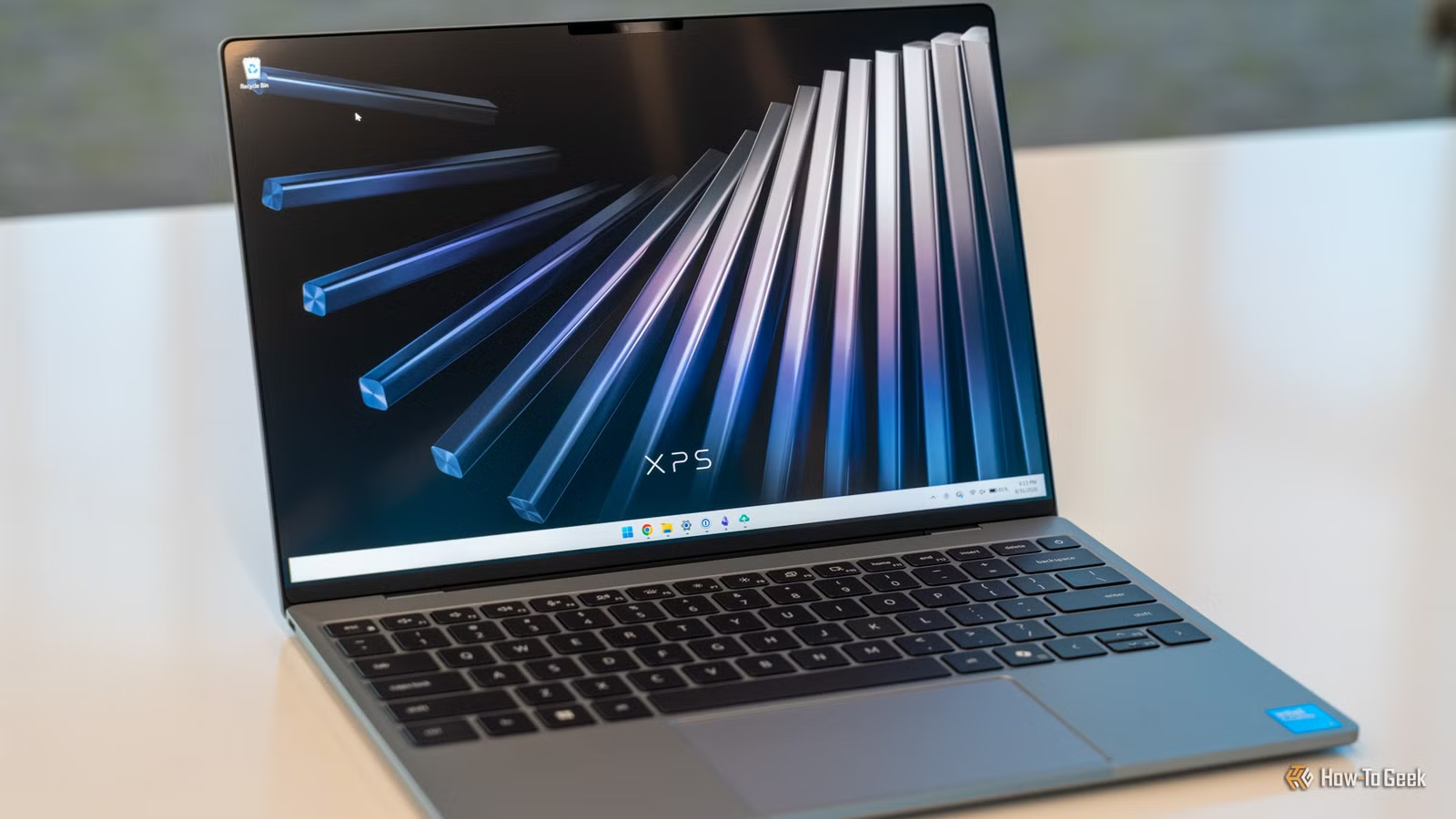
The focus of these updates is largely on improving performance. Microsoft asserts that Windows 11 is “up to” 20% quicker in core functionalities, particularly with the Edge web browser. Enhancements have been made in memory management for devices like the Dell XPS 13 and Lenovo IdeaPad Vibe, enabling the operating system to retain as much as 2GB of frequently used data in RAM instead of shifting it to storage. Additionally, there will be a 200MB memory savings through on-demand loading of widgets.
Reliability improvements are also on the table, with promises of quicker and more reliable connections for Bluetooth headphones, alongside collaborations with hardware manufacturers to enhance driver performance.
A notable feature of the updates is the complete redesign of the Photos app. The updated app now consolidates pictures from local storage, iCloud, and OneDrive into one streamlined gallery. The newly designed Editor includes user-friendly tools for photo editing and supports widely-used formats like HEIC and Google’s WebP. The enhanced Viewer is also quicker and more user-friendly, as noted by Microsoft.
In terms of photo organization, a new filtering tool allows users to find images by identifying people in them or by the storage service used.
Other notable changes include a revamped search function aimed at reducing ads, prioritizing local content over cloud-based resources, and facilitating direct actions. Additionally, smartphone synchronization has been improved to include resizable windows for Android applications, simplified file browsing, and the capability to view photos and resume tasks directly from a mobile device. The Ink Canvas feature will serve as a centralized hub for sketches and notes on compatible devices like the Surface Pro.
Gamers will benefit from Advanced Shader Delivery technology, designed to reduce load times for games that support this feature, including titles from Microsoft such as Gears of War: E-Day.
Why the Surge of Windows Updates?
Addressing Feedback and Competition from Apple
In March, Microsoft committed to enhancing Windows quality, launching a series of updates aimed at rectifying key issues with Windows 11. The initial updates included reducing the often-disruptive presence of Copilot, introducing a customizable taskbar, and creating less intrusive system updates.
This initiative was largely spurred by user complaints, with Microsoft acknowledging that it has spent “several months” gathering insights that revealed a need for improvements. Many of the concerns have persisted since the 2021 release of Windows 11, such as an interface cluttered with advertisements, seemingly designed to encourage new PC sales from consumers who might otherwise consider alternatives.
The performance upgrades are also a strategic move to counter Apple’s MacBook offerings while addressing the persistent memory issues that Windows users have faced. Windows has historically managed RAM less effectively than macOS, and many newer laptops with 8GB of RAM struggle under moderate workloads. These optimizations aim to help Windows PCs perform more efficiently without necessitating additional memory.