I Inquired with How-To Geek’s Writers About the Linux Distros That Made Them Ditch Windows—Some Responses Caught Me Off Guard!

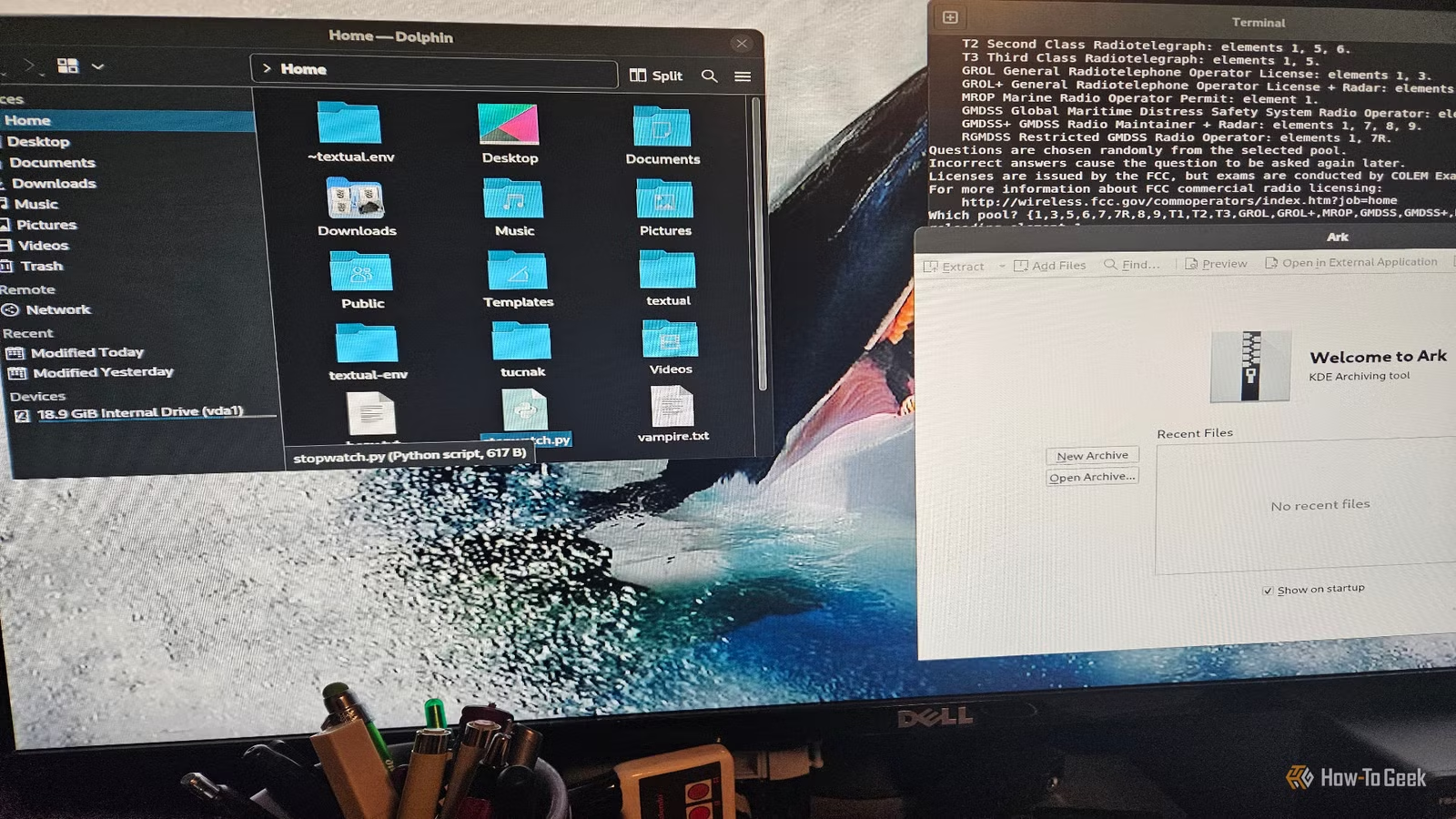
As a Linux enthusiast, I truly appreciate the diverse experiences and viewpoints that users have with this operating system. Earlier this year, I faced a significant setback when an erroneous Windows update damaged an essential work computer. This incident led me to fully embrace Linux Mint and Debian 13 for my daily tasks. Although I had been using Linux for personal projects, that disastrous update compelled me to switch entirely. Many writers here have had similar transformative experiences, so I reached out to them to learn what motivated their transitions and which distributions they chose.
Mint, Zorin OS, and Debian
A twist of fate led me to Linux
My journey in the Linux realm began years ago with Red Hat while working in a position that utilized it extensively. Over time, I explored Raspberry Pis and Ubuntu, eventually discovering Mint and later, Debian, which I have enjoyed immensely. Mint became my go-to distribution, marking the moment I decided to officially leave Windows behind, as it functions smoothly and caters to both novice and experienced users.
Jorge A. Aguilar also made the shift from Windows to Mint, drawn by its user-friendliness and straightforward installation process. He initially hesitated out of fear of damaging his laptop, so starting with Mint made sense. Conversely, Rich Hein contemplated prolonging the life of his old Windows machines before deciding to switch to Linux. While he was close to making Mint his primary choice, he ultimately preferred Zorin OS.
I haven’t tried Zorin OS yet, but it’s on my radar to explore in the coming months.
Kubuntu
The advantage of a plasma desktop and KDE suite
Kubuntu was frequently mentioned alongside Ubuntu as a favored choice. Although I briefly worked with Ubuntu back in 2014, I’ve never actually tested Kubuntu. After hearing from my fellow writers, I’m tempted to give it a shot.
Nick Lewis shared that he dual-booted Linux for quite a while but ultimately settled on Kubuntu, appreciating its integration of the best features from both Ubuntu and Debian, largely due to how well the Plasma desktop operates with the KDE suite.
This sentiment echoed in responses from Dibakar Ghosh, a senior author who writes extensively about Linux. Having transitioned through various distributions including Fedora and Garuda, he began using Ubuntu in 2016, later drifting towards options like Manjaro and Pop! OS. His definitive switch to Linux as a daily OS around 2019 was primarily driven by his fondness for KDE Activities and the customizable nature of Linux. He expressed that the switch was rooted in a desire for greater personalization and a safer environment.
Fedora Silverblue
A distribution with features reminiscent of Android
Interestingly, Fedora did not come up as frequently as I expected. I enjoy Fedore for specific tasks, but I was intrigued to learn that it’s the primary choice for my colleague, Bertel King, who also shares my enthusiasm for the Samsung Z Fold 5.
Bertel transitioned from Windows after experimenting with Xubuntu, moving eventually to Ubuntu Intrepid Ibex, which he acknowledges was quite some time ago. Although Bertel works largely in Android, he has utilized Linux extensively. Nowadays, he opts for Fedora Silverblue on his PC, primarily because installing applications mirrors the simplicity of phone usage, among other advantages.
Not at all
Not all our writers are Linux supporters
As someone deeply embedded in the Linux community, it’s easy to overlook that some individuals may prefer alternative operating systems, not necessarily Windows.
One writer, Patrick Campanale, engages in various fascinating projects and has shared numerous innovative suggestions for homelabs, also delving into 3D printing. I initially assumed that he used Linux in some form; however, he identifies as a Mac user and resorts to Windows for gaming—an approach I can appreciate.
My favorite revelation was from another writer who firmly stated they had no intention of ever using Linux. While I respect that stance, it took me by surprise.
The primary takeaway? Linux makes up a significant portion of our content, and I wouldn’t have it any other way.
My preference for Linux, but it’s not the only choice
Ultimately, this discussion encapsulates the reasons why several HTG writers moved from Windows to Linux, with a common theme of customization and control over their operating systems. Our coverage encompasses various topics at HTG, and it’s reassuring to know I collaborate with such knowledgeable individuals. We’ll continue to produce content about Linux because our passion for it aligns with that of our audience.