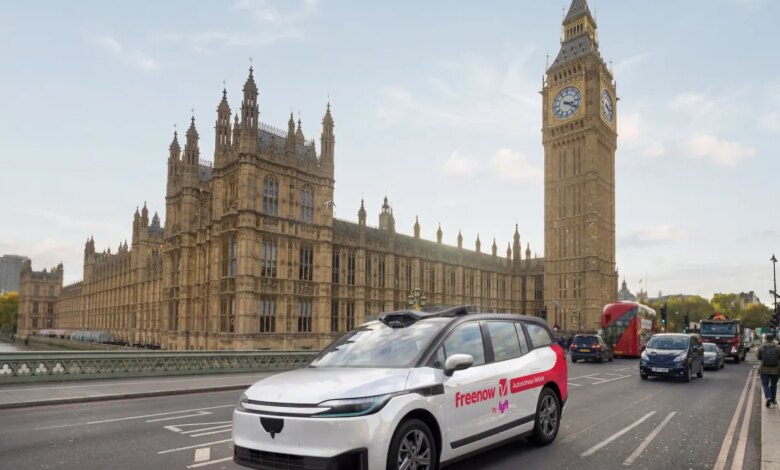
Baidu, the Chinese technology powerhouse, has commenced testing its self-driving vehicles in London as a part of its collaboration with Lyft and Freenow, the multi-mobility app based in Germany now owned by Lyft. This initiative makes Baidu the latest entrant in the growing list of companies trialing autonomous technologies in the UK, paving the way for future commercial robotaxi services.
The testing, which kicked off on Tuesday with human safety operators present, is nearly a year in the making since Baidu and Lyft formed a strategic partnership to roll out Baidu’s custom-designed Apollo Go RT6 robotaxi throughout important European markets via the Lyft platform. Eventually, these vehicles will be accessible through Freenow, which Lyft acquired for approximately $197 million in 2025.
This acquisition enabled Lyft to establish a presence in Europe’s rapidly expanding ride-hailing sector, where several well-capitalized companies are competing to be the front-runners in the robotaxi market.
London has emerged as a crucial battleground in this endeavor. In April, Waymo also began testing its autonomous vehicles in the city with safety operators aboard. Meanwhile, Uber, in partnership with Wayve, has unveiled plans to initiate a robotaxi service in London this very year. Customers can currently join a waitlist for this initial service, which will feature human oversight until operations transition to fully autonomous driving.
Baidu and Freenow by Lyft expressed their aim to allow the public to hail their robotaxis by 2027. However, they did not offer specific timelines, indicating that the launch will hinge on receiving the necessary regulatory approvals.
Currently, a fleet of test vehicles is operating within the London borough of Brent. Lyft and Freenow are in ongoing discussions with local safety officials and entities such as Transport for London (TfL) and the Centre for Connected and Autonomous Vehicles (CCAV). The UK government is actively developing regulations for autonomous vehicles and recently opened a pilot program application process for businesses intending to test self-driving vehicles under governmental oversight.
When the service goes live, Freenow by Lyft plans to implement a hybrid operation model, similar to a strategy employed by competitors. This model will see human drivers in taxis and private-hire vehicles working alongside robotaxis.
“As a platform rooted in the taxi industry, our primary focus is ensuring that autonomous technology enhances the work of professional drivers who keep London moving,” stated Thomas Zimmermann, CEO of Freenow by Lyft.