Linux May Not Suit Everyone, But Here Are 5 Profiles That Should Definitely Explore It

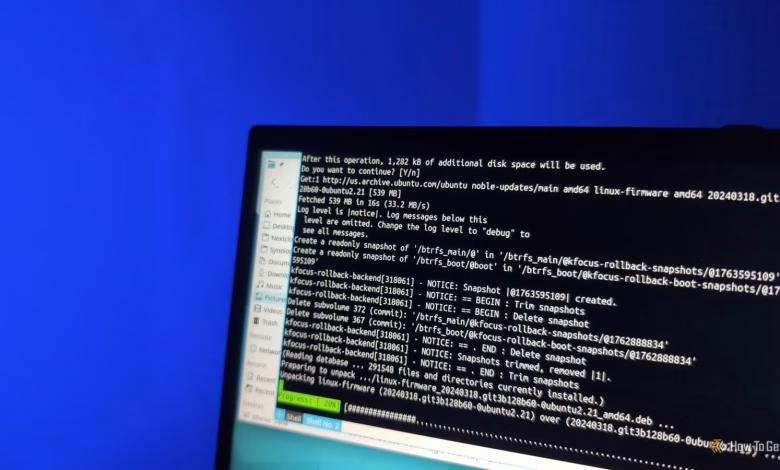
I have been using Linux in a serious capacity for over two decades. My passion for it is strong, but I realize that it may not appeal to everyone. Nonetheless, interest in Linux is on the rise, with many contemplating a switch. Based on my extensive experience, I’ve identified several types of users who stand to gain the most from using Linux.
Individuals Eager to Learn About Computers
Linux as a Learning Platform
If you aim to understand the inner workings of computers and wish to go beyond being just an average user, Linux is an excellent starting point. Considered a fundamental aspect of computer science, Linux has roots in Unix. It serves as more than just an operating system; it embodies a culture of knowledge and exploration.
Whether your ambition lies in a computing career or fueled by curiosity, Linux is favored by tech enthusiasts for solid reasons. Notably, most internet servers operate on Linux, making it a vital skill for those eyeing jobs in IT.
The culture surrounding Linux and Unix is invigorating, offering a refreshing alternative to conventional corporate IT environments that predominantly rely on Microsoft tools, with endless opportunities for discovery.
Programmers and Technical Users
A Wealth of Tools for Programmers
Programmers and technical users often find Linux indispensable because it comes equipped with a multitude of essential coding tools. Many distributions include editors, compilers, and additional software necessary for development. If not pre-installed, acquiring these tools typically requires just a few commands through a package manager.
The open-source nature of Linux resonates with many developers. Programmers often feel compelled to modify software to their needs, and the availability of source code allows for this flexibility. It enables them to improve upon existing work or fix issues, creating a community benefit through collaborative programming.
Users Aiming to Utilize Older Hardware
Bringing Old Machines Back to Life
Another demographic that stands to benefit from Linux is those looking to maximize older or low-performance hardware. The idea of using less powerful machines isn’t new; this approach dates back to the inception of Unix on antiquated hardware. The founders aimed to craft an operating system to simulate games back in the late 60s.
Today, Linux continues this legacy of revitalizing outdated systems often left behind by vendors like Microsoft or Apple. Users who wish to avoid upgrading to Windows 11 can turn to user-friendly distributions like Xubuntu or opt for something like Debian with a lightweight desktop environment such as Xfce.
Additionally, ChromeOS Flex is a variant designed for this purpose, presenting a more refined option for those wishing to repurpose old hardware for basic tasks like web browsing and email without spending on a new device.
Tinkerers and Hobbyists
Linux as a Playground for Tinkerers
Linux has also cultivated a dedicated following among hobbyists and tinkerers, sometimes referred to as “geeks” or “hackers.” This community thrives on exploration and experimentation.
The collaborative spirit of the Linux community lends itself well to this exploration. Initially, developers worked together over the internet to contribute to and improve the operating system, showcasing a unique blend of creativity and skill.
This ethos of self-reliance and modification has deep roots in the Unix heritage as well as in early computing culture, where creating software was an essential skill. Linux’s early adopters were often those who had the motivation and time to dive deep into their systems, leading to its subsequent popularity in professional and server settings.
Independent Users
An Operating System for Independent Thinkers
Individuals who take Linux seriously tend to possess a unique perspective on technology. Whether driven by a dislike for major corporations or a desire for greater technical proficiency, Linux users often exhibit a strong sense of independence.
Using Linux can foster self-assurance, as many users recall the sense of achievement that accompanies a successful installation. Even as Linux has evolved into a more user-friendly option, it remains a point of pride to work with it effectively.
With Linux, there’s no need to rely on a corporation for software updates, enhancing the sense of autonomy that this operating system offers.
Ready to Elevate Your Computing Experience? Explore Linux!
Although some may find macOS or Windows more suitable for their needs, many others could gain significantly from transitioning to Linux. If you’re looking to enhance your computer’s capabilities and move beyond typical usage, Linux might be the perfect solution for you.