Kairos Power Secures Up to $100 Million from Samsung to Develop Nuclear Reactor for Google

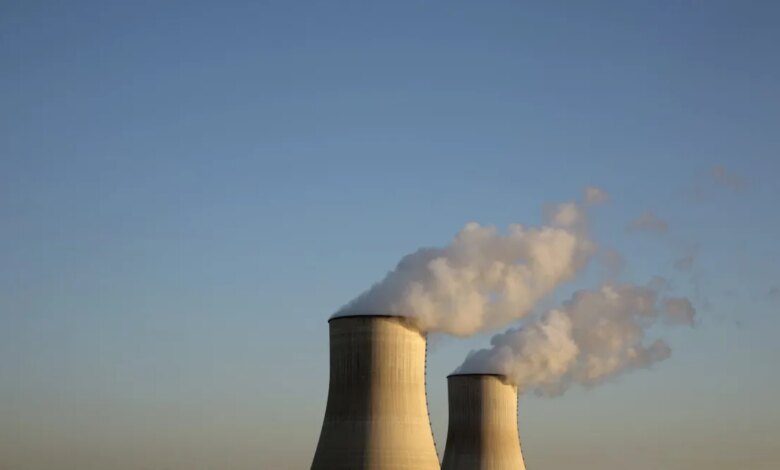
Kairos Power has selected engineering firm Samsung C&T to assist in the construction of its 50 megawatt demonstration reactor for Google, with plans to complete the project by 2030.
As part of their agreement, Samsung C&T will contribute an equity investment in Kairos and offer engineering services with a combined value of up to $100 million. A spokesperson for Kairos noted that the equity investment alone will account for $70 million of this total.
Samsung C&T has a history of involvement in the construction of approximately a dozen nuclear reactors worldwide.
Kairos is riding the wave of interest in nuclear energy driven by heightened power requirements from AI data centers. The collaboration with Google commenced in the fall of 2024, with the expectation for Kairos to produce nuclear reactors that can generate around half a gigawatt of electricity by 2035.
Currently, the company is working on two reactors in Oak Ridge, Tennessee. The first, called Hermes 1, is a low-power demonstration reactor intended to refine commercial designs. The second, Hermes 2, represents Kairos’s first endeavor into larger-scale reactor construction. The initial output from Hermes will contribute to the 50 megawatts agreed upon with Google.
Approval from the Nuclear Regulatory Commission for these reactors was granted in November 2024, with an operational target for Hermes 2 set for 2030, aligning with Kairos’s agreement with Google.
Hermes 2 will utilize a fluoride salt-cooled high-temperature reactor design, which has been considered for years but remains untested at a commercial level. Fluoride salts are beneficial due to their high boiling points, which can help maintain lower pressure levels, thus reducing the risk of catastrophic failures.
Additionally, Kairos is employing a modern nuclear fuel type known as TRISO, which encases small uranium fuel particles in layers of ceramic and carbon, compacted into spheres the size of billiard balls. This design aims to prevent potential meltdowns.
Kairos has approximately five years to operationalize its initial power plant, a timeline that is ambitious yet feasible in the nuclear sector. To meet the conditions of its agreement with Google, the company will need to accelerate the development of subsequent reactors, a task where Samsung C&T could provide significant assistance.