Rita El Khoury / Android Authority
Add Android Authority on Google:
Summary:
- Google’s latest Security State libraries allow applications to monitor the security status of specific Android components instead of solely depending on the overall security patch level.
- These apps can verify if a security update is pending installation, potentially alerting users prior to executing sensitive tasks.
- Devices can now be deemed secure even if the overall patch date remains unchanged, provided a specific security fix has been applied.
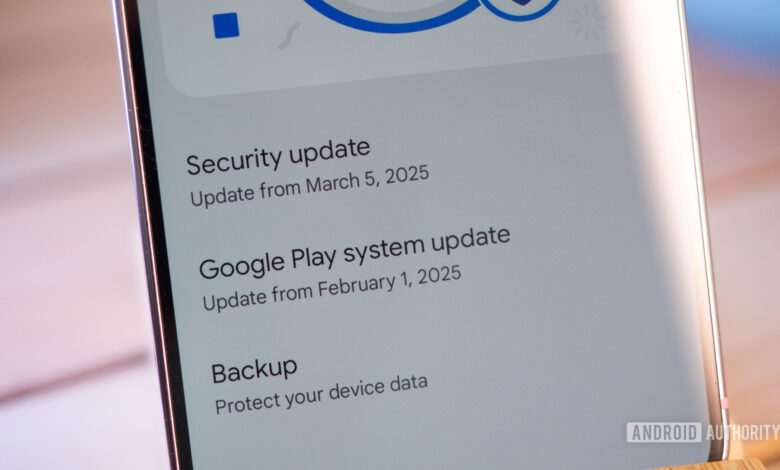
Traditionally, the security patch level along with its associated date has been the primary means for apps and developers to ascertain whether an Android device is up to date. However, this method does not always provide the full picture.
This shortcoming arises because Android can perform updates on different OS components independently. Some updates come directly from manufacturers, while others may be managed through Google Play, bypassing the need for complete system refreshes.
Google recently launched stable versions of its AndroidX Security State and Security State Provider libraries. These new tools enable apps to access a more comprehensive overview of the security posture of devices.
For instance, an application can determine which security fixes are currently installed, identify the most recent fixes available, and check if an update is awaiting installation on the device in question.
Hadlee Simons / Android Authority
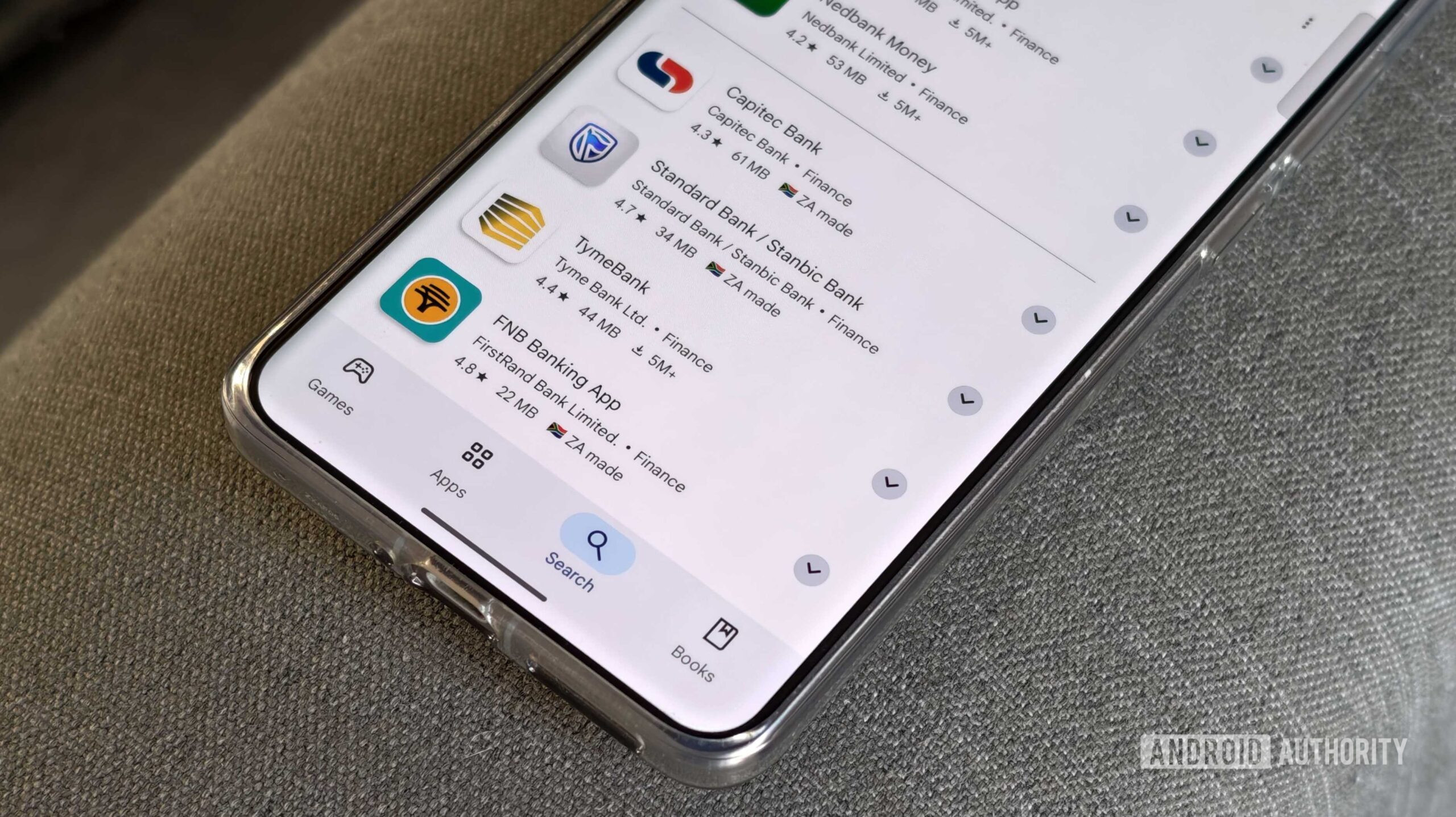
This advancement could particularly benefit apps that require high security standards, such as banking applications.
For instance, a banking app may verify if certain security updates are present before allowing access to sensitive features. If an update is available but not yet installed, the application could prompt the user to perform the installation rather than simply failing to respond or indicating the device is outdated.
Additionally, Google mentions that apps can check specifically for fixed vulnerabilities identified as CVEs, ensuring that crucial updates for NFC or Bluetooth functionalities are in place before permitting tap-to-pay or data-sharing features.
Device manufacturers will also gain the ability to illustrate that particular security issues have been addressed.
At times, a manufacturer may implement a specific security fix without altering the device’s overall security patch date. With the introduction of Android 17, OEMs can communicate these individual fixes, and the new Security State functionalities can make this data accessible to applications.
This means that a device could still display an older overall security patch date even after certain vulnerabilities have been fixed.
In conclusion, while the general Android user may not immediately perceive these changes, they will lead to more precise assessments of device security by apps without depending solely on the security patch date.
We appreciate your involvement in our community. Please review our Comment Policy prior to sharing your thoughts.