Aamir Siddiqui / Android Authority
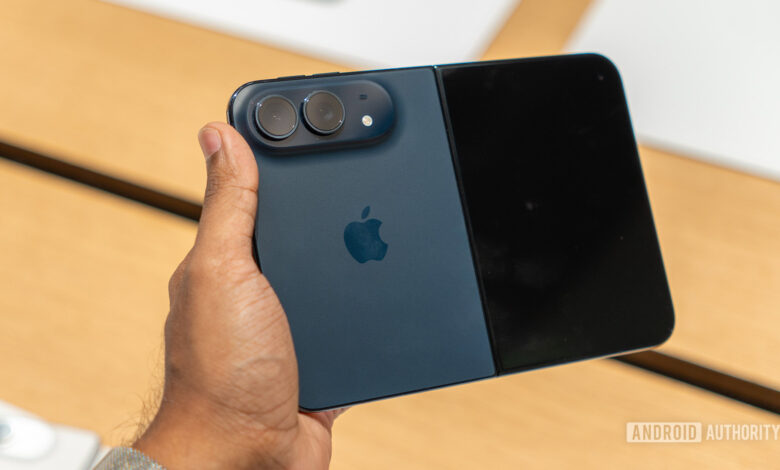
The rise of foldable smartphones has polarized users into two distinct groups. Some individuals have become attached to their foldable devices, unable to revert to traditional smartphones, while others find foldables cumbersome and would prefer a simpler approach. I happen to belong to the latter category.
My initial excitement for foldables, particularly the book-style designs, has faded. The unique allure has been overshadowed by noticeable shortcomings. My concerns are not limited to the absence of features like an extra camera or the delicate build. Instead, I have reservations regarding the practicality of such intricate mechanisms for multitasking when I question their effectiveness in fulfilling either purpose.
What would you rather have?
222 votes
The One-Device Concept Is Stale
Robert Triggs / Android Authority
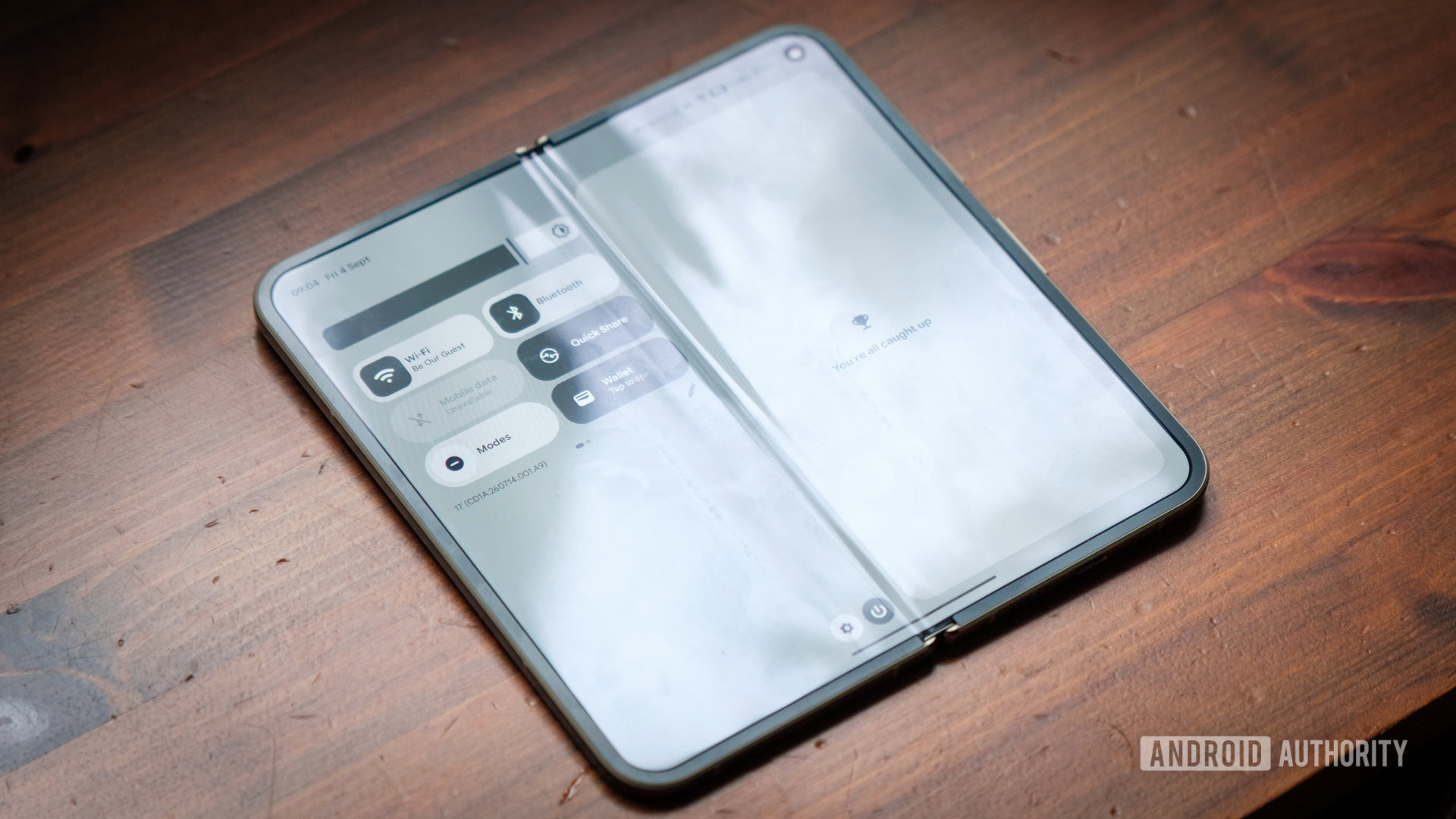
Smartphones were initially designed to merge numerous devices into a single unit, alleviating the burden of carrying multiple gadgets. This was practical in an era when mobile phones were limited to calls and texts, and people relied on various dedicated devices. However, as societal needs evolved, this singular approach began to feel outdated.
Foldables took this merging concept further, merging the functions of a phone and a tablet. They claim to enhance productivity by allowing users to run multiple applications simultaneously. Initially, I was drawn in by this promise, but after the initial excitement wore off, I found my needs for multitasking were rather infrequent.
It’s not 2010 anymore; I’m no longer optimizing my setup solely for convenience.
It’s true that foldable devices provide a level of convenience for specific users. However, my occasional productivity moments have not justified the extensive trade-offs I faced. I’m no longer merely navigating my devices for ease; it’s about diving deeper into intentional usage, beyond hardware limitations.
Digital Wellbeing Comes from Diverse Devices
Zac Kew-Denniss / Android Authority
Managing work and personal interactions often gets disrupted by notifications from various apps while trying to focus on tasks. This overlap of work and leisure on a single device has led to mental strain and dependency on my phone, often making it difficult to disconnect, even momentarily.
When I close my work laptop, it serves as a signal to detach from work and transition into personal life. This transition feels more pronounced when I switch devices rather than rely on software that can be too easily bypassed. The resistance that today’s gadgets are meant to alleviate is the very aspect that aids my mental balance as I juggle multiple responsibilities.
My ideal strategy for digital wellbeing has surprisingly required me to embrace more screens, not less.
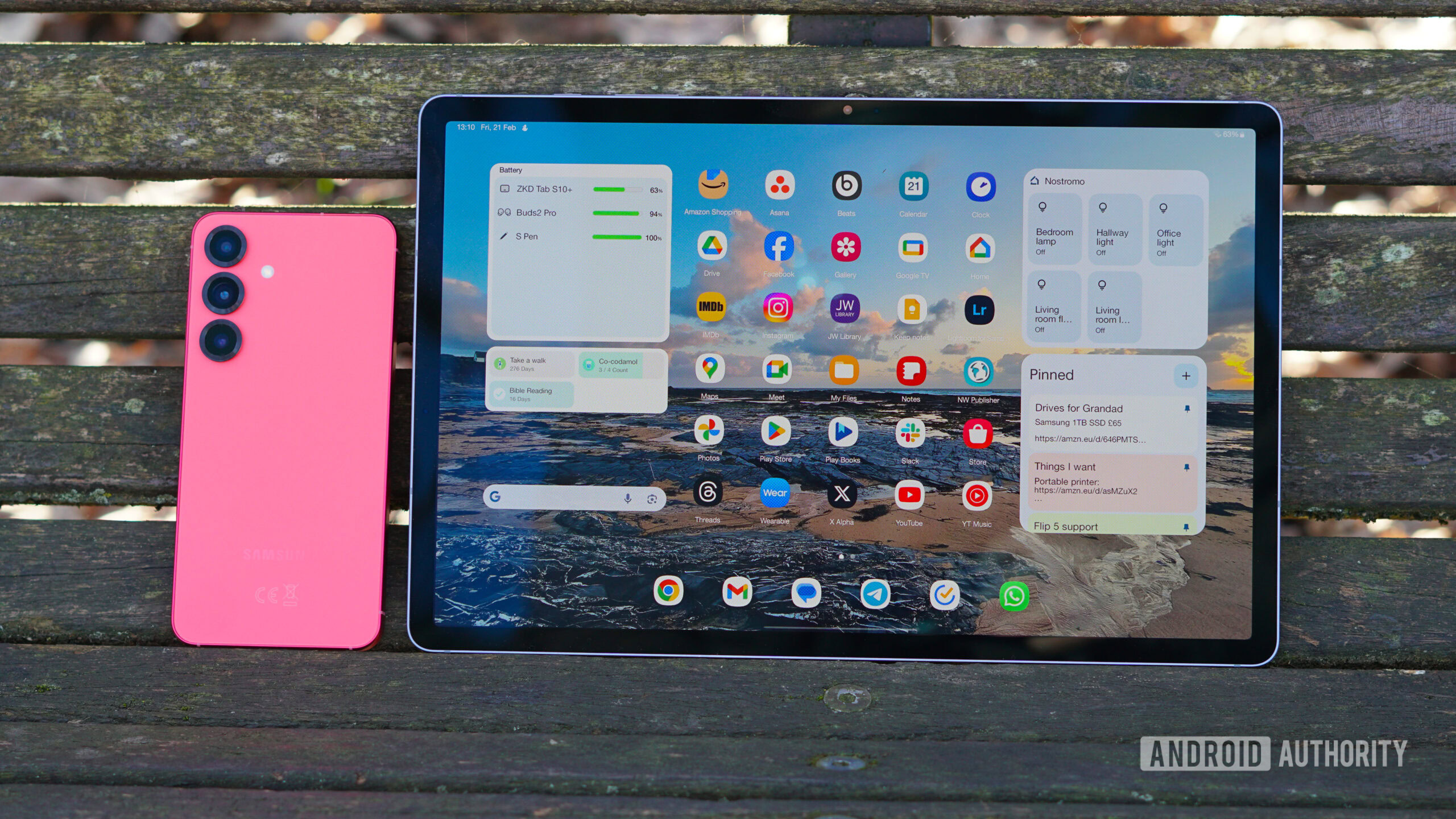
This realization led me to utilize a smartwatch, which, despite its limited display, aids in managing notifications and allows me to leave my phone behind without the fear of missing urgent messages. My tablet serves as an entertainment hub, free from work and social media distractions. Instead of reducing the number of devices, I’m consciously creating a setup that allows me to engage with my technology purposefully.
It’s Time for Purpose-Driven Devices
Foldables have made me feel as if they dictate my usage rather than the other way around. It’s essential to remember that phones should serve as tools that empower us rather than lure us in with clever notifications. I have adopted a mindset of treating devices more like appliances with specialized functions, and this trend towards niche products is gaining traction.
While I appreciate devices that serve a multitude of roles, I prefer my phone to manage several tasks without attempting to replace a tablet. My objective is to ensure every device has defined functions, allowing me to make conscious choices.
Managing My Multi-Screen Setup
Paul Jones / Android Authority
I’ve accepted that screens are part of modern life, but I’ve found ways to create boundaries. Devices like my smartwatch afford me the freedom to step away from my phone without anxiety. My tablet is now dedicated strictly to entertainment.
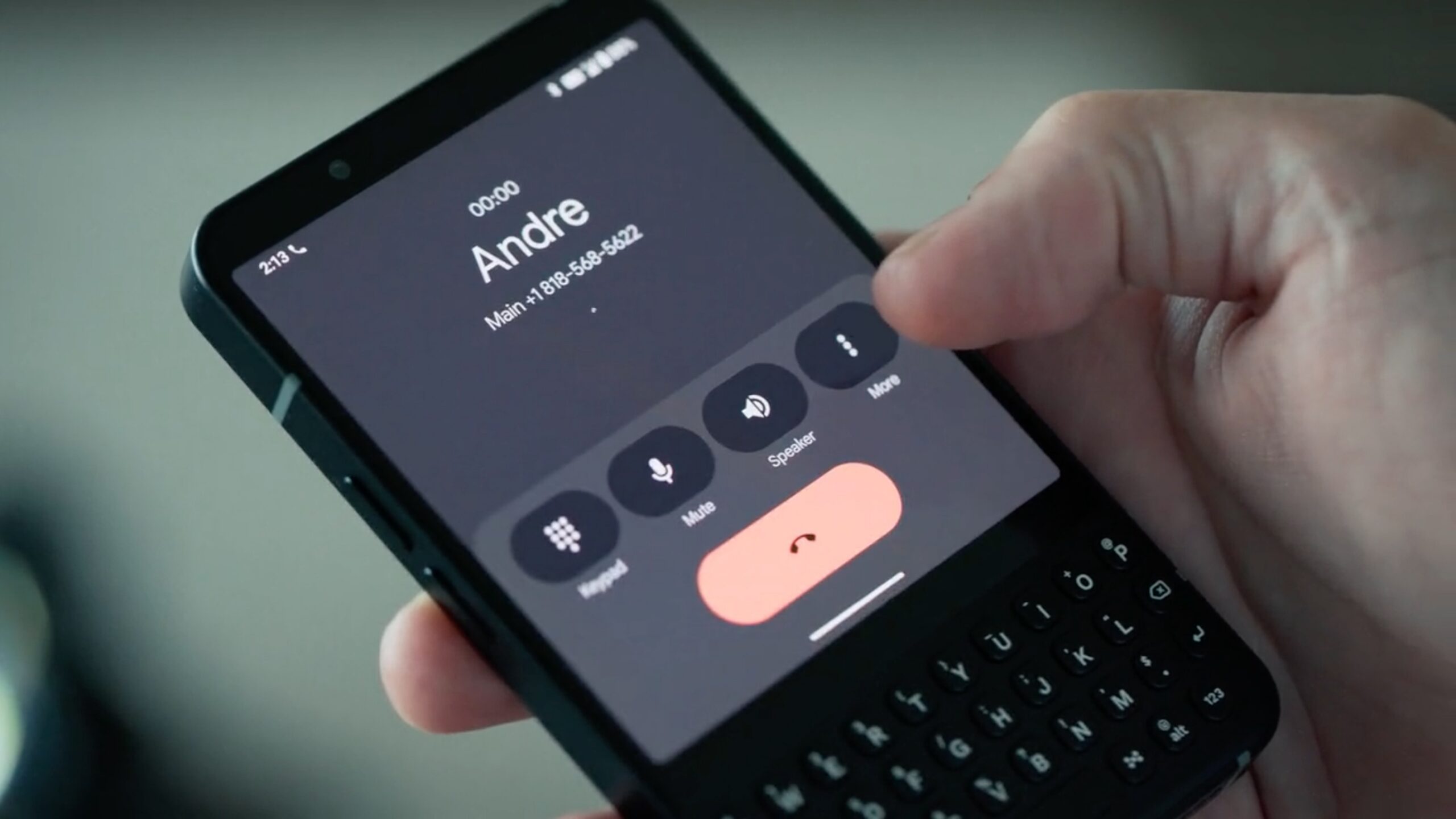
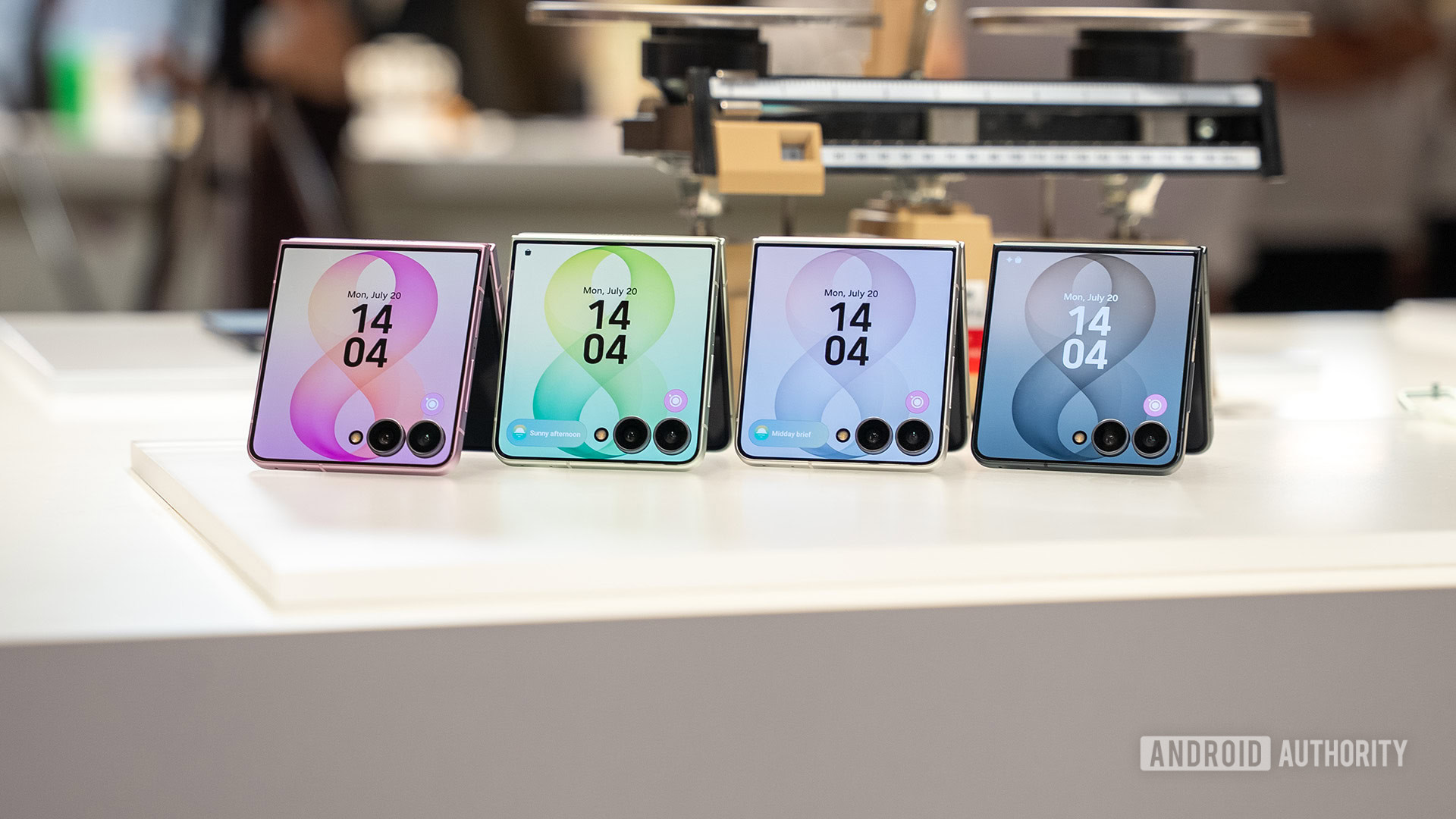
Though I might seem critical of foldables, I am fond of compact phones that serve a specific function without the bloat of additional features. They can perform well for basic tasks like glancing at notifications, fulfilling a niche for which I have a growing appreciation, despite their battery performance compared to standard phones.
Book-style foldables have no place in my device ecosystem; they occupy an uncomfortable middle ground.
My workspace, equipped with a laptop and monitor, defines where I get work done. This reality sets clear expectations in my mind—my laptop is for significant tasks like travel planning. Foldable devices disrupt this intentional arrangement, leaving me feeling unaligned with my usage goals.
Personal Preferences Matter
Hadlee Simons / Android Authority
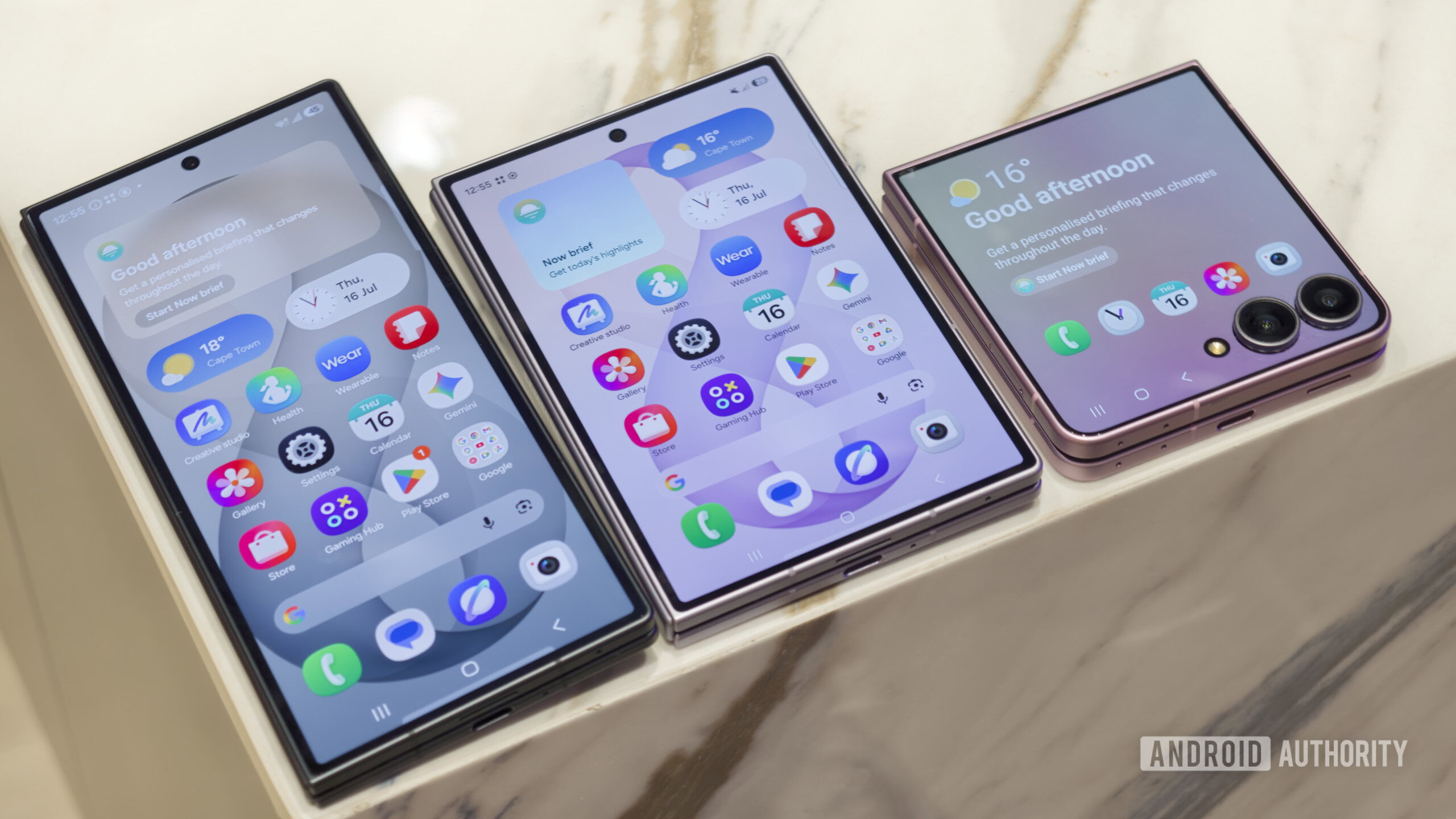
Everyone has different needs and preferences when it comes to technology. For those who seek to travel light with two devices, foldables provide a tailored experience. They can indeed be worth the investment if they simplify your life.
However, I often grapple with maintaining boundaries in my digital life. Being mindful of my device usage helps me maintain my limits. This new multi-device arrangement has proven fruitful, ensuring that even with my curiosity about foldable devices, they won’t replace my main smartphone.
Thank you for being part of our community. Please be mindful of our community guidelines when engaging with us.