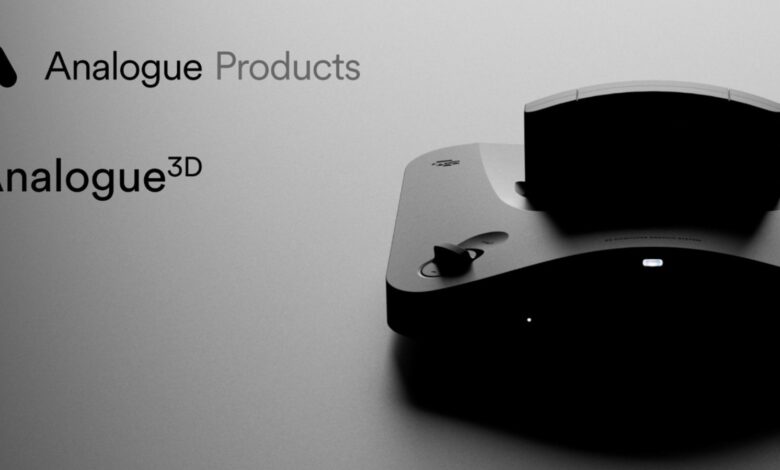
The Analogue 3D successfully enhances classic N64 games, although it has some limitations.
Often, marketing can be misleading, and Analogue’s FPGA-based version of the Nintendo 64 fits this bill. While the Analogue 3D does indeed offer 4K output, it doesn’t magically transform retro titles into true 4K versions. The console can deliver a video signal of 3,840 x 2,160 pixels when connected to a compatible TV, whereas most original N64 games were designed for much lower resolutions, typically at about 320 x 240, with a few stretching to 640 x 480.
In a straightforward sense, the Analogue 3D is classified as a 4K console, but it lacks the ability to add finer textures, detailed geometry, or animations that weren’t possible in the 90s. A modern remake of a game like Super Mario 64 would present a different experience; however, the Analogue 3D does a commendable job of improving the notorious blurriness of N64 graphics, erasing distance fog, and smoothing out frame rates. Moreover, the console offers much more than simple upscaling, clearly distinguishing it from other devices available in the market.
Analogue aims to present an authentic yet better-looking version of the original gaming experience, allowing users to revisit an era characterized by iconic hardware and shared gaming on couches. Its 4K HDMI output and customizable Original Display Modes are engineered to enhance visual clarity on modern televisions. While it may not be groundbreaking, it certainly exceeds the capabilities of a standard emulator.
Understanding the Analogue 3D’s 4K Output
The Analogue 3D employs a scaling technique similar to what smart TVs have used for years to adapt lower-resolution media for 4K screens. The key difference is that the Analogue 3D processes the N64’s image before sending it to the television. This allows the console to remove the original blur filter, retain its 32-bit color output, fine-tune texture filtering and anti-aliasing, and optionally double the horizontal resolution of the displayed game. The final image is then transmitted via a 4K HDMI signal.
For those nostalgic for the retro look of scanlines and the glow of CRT displays, the Analogue 3D can recreate that atmosphere even on a 65-inch 4K screen. A standard N64 system linked to a contemporary TV usually results in images that are blurry or poorly rendered, issues effectively addressed by the Analogue 3D. Additionally, the console supports variable refresh rates, as well as both NTSC and PAL cartridges, along with 1080p output in addition to 4K.
The focus is on delivering an impressive visual presentation, and the 4K output ensures that the signal is clear and stable for newer TV technologies. Unsurprisingly, Analogue recommends using a 4K display to fully enjoy the experience, especially when utilizing the Original Display Modes designed for such screens.
Is the Analogue 3D a Good Investment for N64 Gamers?
If you have original N64 cartridges and seek a more refined way to enjoy them on a 4K screen, the Analogue 3D, priced at $250, is hard to surpass. This device is tailored for physical N64 media, compatible with original controllers and accessories, region-free, and features four controller ports. Additionally, it supports both Bluetooth and USB controllers. Analogue claims it works with every original N64 game, but it does not support ROM files.
That said, its major advantages lie in accuracy and convenience. Users will find no standard software emulation here; the Analogue 3D employs an FPGA—a programmable chip specifically designed to replicate the N64’s original operation, all without infringing on copyrights. It can even apply performance enhancements to certain titles, sidestepping the common issues faced when connecting an authentic N64 to a modern display.
If you’re in search of a nostalgic journey back to the past, the Analogue 3D is a worthwhile investment. It effectively transforms your collection of 30-year-old Nintendo 64 games into a visually enhanced 4K experience. Its output, scaling capabilities, and CRT-style display modes offer a delightful mix of nostalgia and modern visuals. For the right audience, this is precisely the appeal; it provides an excellent and refined method to relive the charm of N64 games without altering the beloved essence of those classic memories.