Awakening to Online Privacy: My Journey from Indifference to Awareness of the Risks

Megan Ellis
Add Android Authority on Google:
Whenever I discuss switching to more privacy-oriented apps and services, I often encounter responses suggesting that online privacy isn’t a major concern. Just recently at a tech event, when I mentioned using Brave to sidestep Google’s data gathering and targeted marketing, one individual expressed that it simply wasn’t important to them.
This led me to realize that there’s a widespread misconception that prioritizing data privacy is merely a hobby for tech enthusiasts or conspiracy theorists. I myself once had a careless attitude towards online privacy. However, after facing the repercussions over time, I now believe that everyone should be concerned about data privacy and data collection.
Do you care about your data privacy?
5 votes
Data Collection Poses Risks to Your Personal Information

Brady Snyder
The extensive collection of personal data significantly increases the risk of it being exposed on the dark web, where malicious actors can exploit it. This often occurs when data brokers, retailers, or financial institutions face data breaches that compromise sensitive information.
This means that despite taking precautions by avoiding dubious websites, steering clear of untrustworthy software, and cautiously sharing financial information, sensitive data such as your ID number, home address, and phone number can still be compromised. From personal experience, I’ve had my data compromised due to breaches involving retailers, and I was often compelled to share sensitive information to access their services.
When businesses gather and retain excessive data, the potential for breaches becomes a major privacy risk.
The flood of spam emails and unsolicited calls I receive is a direct consequence of my information being leaked online. Recently, I even received a one-time passcode intended for someone attempting to gain access to a bank account using my email.
Many individuals have far more personal data floating around than they realize. Data brokers, who compile information from various sources and sell it, exacerbate the issue. A few services gathering excessive information and failing to secure it properly can transform isolated data points into significant privacy threats.
While regulations such as the EU’s GDPR and California’s CCPA empower individuals regarding their data sharing, for those in regions with data protection laws, the damage has already been done. The best strategy now is to minimize the companies we share our data with to safeguard our personal information.
Targeted Advertising Can Exploit Vulnerabilities

Zac Kew-Denniss
While seeing a deal on a product you’ve been considering might be appealing, it can be concerning when ads play on your vulnerabilities. Ultimately, targeted ads exist to serve advertisers, not you.
Having switched to Brave a while ago and disabling targeted ads on my Google account, I still see how my data is utilized for advertisements while using Meta platforms. For instance, after my ADHD and autism diagnoses, my information has been used in ads pushing services claiming insight or free analysis, only to present paywalls after filling out forms.
My engagement on Meta has been utilized to target my insecurities and health concerns, promoting solutions that aim to entice payment for miracle cures.
For a significant period, my searches for plus-size clothing often resulted in weight loss ads. I’m merely seeking apparel that fits me, not reminders that spark anxiety. Any inquiries about chronic pain resulted in offers for services promising to alleviate my discomfort through mindfulness.
With the increasing presence of sports betting and gambling platforms, deceptive advertising using personal data raises more alarm. Advertisers can gauge your potential receptiveness to their ads based on your data, which might stem from psychological vulnerabilities instead of mere relevance.
Your Data Makes Scams More Effective

Mitja Rutnik
Spear phishing represents a more advanced phishing approach that utilizes personal details to enhance the scam’s effectiveness. For instance, a scammer aware of your workplace can impersonate a colleague seeking sensitive information or money transfers. If they have knowledge about your relatives, they may pose as a family member asking for financial aid.
Even savvy individuals can be exploited using personal information to confuse their family members. The more data scammers possess, the higher the effectiveness of their schemes. Some criminals even create full-blown fake profiles using information they gather.
For instance, publicly accessible online images can be manipulated to create duplicate profiles. Additionally, the advent of generative AI has made fraudulent calls increasingly plausible.
Even Your Interaction Data is Weaponized Against You

Joe Maring
Social media can facilitate discovering new interests and communities, along with keeping up with current events. However, the algorithmic nature of feeds brings numerous drawbacks. It’s common to observe friends abandoning social media due to its detrimental effects on their well-being. For those remaining, many express frustration over being caught in endless content loops and spending more time scrolling than originally planned.
Social media platforms utilize not just personal data but also engagement data to serve more enticing content. While this might lead you to discover enjoyable content, its ultimate goal is to keep you engaged longer. In the best case scenario, you might find yourself lost in entertaining clips, but in the worst case, you’re exposed to content that evokes anger, driving additional engagement while leaving you feeling worse.
Your interaction data on social media is leveraged to maximize your time on the platform, even if it means exposing you to distressing content.
As my engagement with chronic migraine groups on Facebook has increased, my feed is inundated with reminders about the challenges of living with migraines. Although well-meaning, such content often reopens wounds, reminding me of my struggles with a treatment-resistant condition that lacks understanding.
Occasionally, misleading headlines catch my attention, hoping for valuable medical insights. Instead, I often find outdated information or irrelevant content masquerading as useful advice, perpetuating a cycle of unease.
Taking Control of Your Online Privacy

Megan Ellis
Instead of solely fixating on the negative impacts of data collection, consider these strategies for boosting your online privacy. A significant first step is to transition to privacy-oriented services, such as a secure browser and search engine. Should you prefer to continue using Google, adjusting your search history and advertisement settings is advisable.
When registering for new services, limit the data you share. Utilizing an email alias can protect your primary email address. For services you no longer utilize, it may be wise to delete your account altogether.
While social media platforms often fall short on data control for users, you can take proactive steps. On Meta platforms, adjusting your advertising preferences allows you to minimize exposure to certain topics.
Although Meta obscures these settings, they can be found within the Instagram and Facebook accounts center. Here, you have the ability to turn off ads related to specific categories, such as weight loss, gambling, politics, and alcohol.
Implementing measures to reduce data collection will help in safeguarding your personal information from being exploited in targeted advertising.
For other platforms, opting for a chronological feed can help in curating what you see. Moreover, setting time limits on apps or consciously reducing usage can be beneficial.
In specific markets, there are services dedicated to helping remove your data from the web. You may also manually request the deletion of any profiles from data broker websites that contain your information.
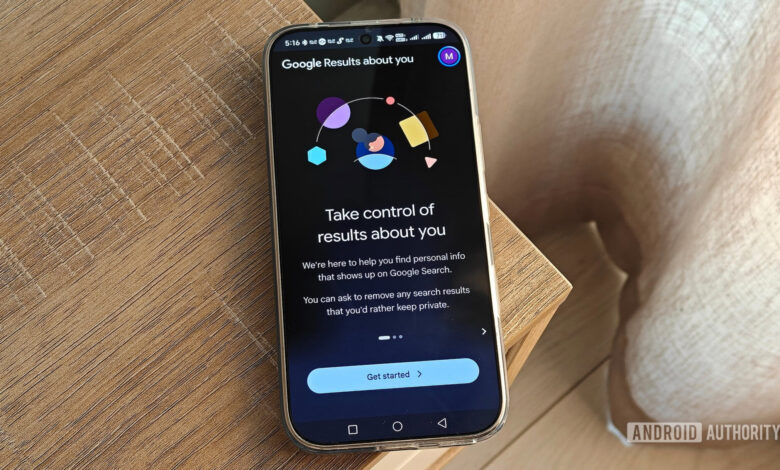
Finally, monitoring your data exposure online is crucial. Utilize dark web monitoring in password managers or platforms like HaveIBeenPwned.com to check if your email or password has been compromised in any breaches. Tools like the Google Results About You feature enable tracking of private information in search results and facilitate removal requests.
Navigating online privacy measures can feel like an endless game of whack-a-mole. Even with meticulous data privacy practices, companies can still pose risks through excessive data collection or inadequate compliance with regulations. However, taking proactive measures can significantly lower your risks, and I personally feel a heightened sense of security after transitioning to privacy-focused applications and utilizing email aliases for registrations and newsletters.
Thank you for being part of our community. Remember to read our Comment Policy before posting.