Apple’s Fresh Leadership: Breathing New Life into a 25-Year-Old Steve Jobs Approach

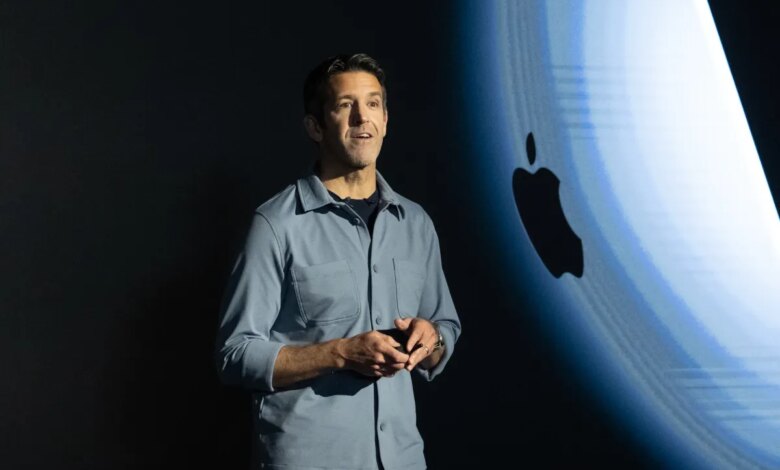
Apple’s CEO John Ternus has made it clear that the iPhone remains central to the company’s vision.
During his inaugural keynote as CEO, Ternus emphasized the iPhone’s critical role in Apple’s strategy as they move into an era dominated by artificial intelligence.
“No other product is as well-designed to serve as your intelligent personal hub as the iPhone,” he stated.
This statement marks a shift from the strategy of former CEO Tim Cook, who focused on communicating to investors that Apple was not solely reliant on the iPhone.
Ternus’ comments also challenge recent skepticism about the future of the iPhone. Headlines have suggested that smartphones are becoming obsolete, with some analysts expressing concerns about Apple’s next steps beyond the iPhone.
However, Ternus asserts that the iPhone is vital to his vision of an “intelligent personal assistant,” an approach that could shape Apple’s direction for years to come. This echoes a strategy employed by Steve Jobs in 2001 with the Mac, shortly before the inception of the iPod.
Back then, many speculated that personal computers were nearing the end of their relevance. At a Macworld event, Jobs pointed out negative predictions from industry experts about the PC’s decline.
“Everyone is saying that the PC is dying or becoming obsolete,” Jobs remarked, highlighting a graphic of a gravestone for the “Beloved PC” displayed behind him. “We believe the PC is very much alive and entering a transformative stage, just as it has from the start,” he added.
Jobs contended that the PC was about to enter its third significant phase, driven by an influx of digital devices, such as camcorders and digital cameras. He envisioned the Mac as a central “digital hub” that would connect various gadgets, thereby enhancing their overall functionality.
Later that same year, Jobs unveiled the iPod, a device that effectively addressed the question of the PC’s necessity. This venture proved immensely successful, consistently boosting Apple’s profits and paving the way for the iPhone’s creation.
Now, with the iPhone approaching its 20th anniversary, Ternus is confronted with a similar challenge that Jobs faced years ago. It remains uncertain if Ternus is holding back another groundbreaking product akin to the iPod, one that would reinforce the iPhone’s status as Apple’s core hub. Nevertheless, he is firmly countering the narrative that the iPhone is outdated.
“If you were to design an ideal hub from the ground up, what would it look like?” Ternus posed, outlining key components: a robust processor, high-quality cameras, continuous connectivity, and advanced on-device AI.
The iPhone is recognized as one of the most powerful personal computing devices, giving it a unique advantage in the AI landscape. Its portability and multifunctionality make it the primary device for many users. Even individuals who own computers and tablets often find they cannot function without their phones, leaving home without laptops but not without their smartphones.
This blend of power and convenience has positioned Apple favorably in the AI arena, despite attempts by competitors to offer alternative wearable technology.
Rather than diverting attention from the iPhone toward newer, trendier products, Ternus is choosing to embrace it fully. In this way, he is affirming what many already recognize: the iPhone is exceptional, and perhaps there’s no immediate need for its replacement.