After years of evaluating various wireless chargers and desk setups, a recurring issue stands out: most of these devices aim to squeeze everything into a single hub with limited flexibility in placement, charging options, and upgrades. For someone like me who appreciates aesthetically pleasing tech, I’ve found that many chargers aren’t visually appealing. However, aesthetic preference can be subjective.
The reality is that many charging stations impose a rigid layout for devices like phones, earbuds, and smartwatches. While this approach may suffice for straightforward functionality, it doesn’t accommodate my personal usage style. Attempting to rearrange components often proves impossible.
What if there was a different approach? Recently, I had the chance to explore the DailyObjects Node, a modular charging system inspired by the unrealized Apple AirPower. Unlike traditional charging stations, this setup allows for customization based on individual needs. Additionally, the ability to take the modules with you makes the price point more justifiable.
A Flexible Charging Solution
Having utilized the Node system for over a month, I can confidently say that its versatility makes it an exceptional product. This is the path I believe future desk docks should follow. Most wireless chargers remain stationary in one location, limiting flexibility. The Node, however, employs a modular design eliminating this limitation.
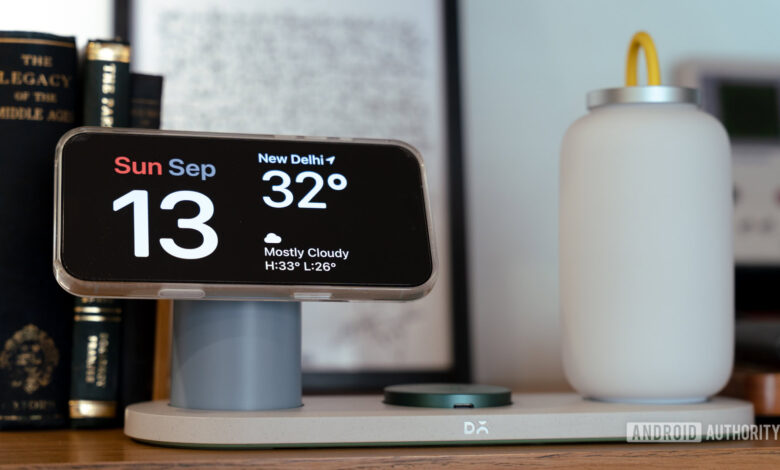
Its main dock includes multiple pogo-pin connectors to which various charging modules attach magnetically. You can place these modules wherever they fit best, depending on how you use your workspace.
If you want three wireless chargers, go ahead. If you prefer a specific arrangement for your phone and Apple Watch chargers, that’s possible too. The options extend beyond mere placement; you can choose from a Qi2 wireless charger, a charging puck for earphones, an Apple Watch charger, and more modules that may be added later.
Thanks to magnets, the charging modules stay securely in place but are also easy to detach. The satisfaction of snapping them together offers excellent tactile feedback.
Mobility at its Core
The flexibility of the system transcends desk arrangements. Once you’ve settled on your preferred layout, changes may not be frequent. However, the modules can be removed and utilized elsewhere, as each one includes a dedicated USB slot at the back.
For example, the MagSafe charging puck can function both as part of the Node setup on your desk and as a standalone charger when you’re on the move. Similarly, the Apple Watch charger is easy to take with you, allowing for less hassle compared to conventional long charging cables.
The wireless phone stand even includes a built-in 7,800 mAh battery, making it a portable charger suitable for charging your phone away from your desk. The desk lamp module also features a battery, offering the flexibility of use anywhere it’s needed while still supporting charging on the dock.
This concept of mobility and adaptability significantly elevates the Node above conventional charging stations. The modules are not restricted to a single device type or location, making it a compelling choice.
Purchase What You Need
An added benefit of this modular design is that you only pay for the hardware you actually use. Traditional chargers often come equipped with superfluous options, like the Apple Watch slot, which may not be beneficial for everyone. The Node allows you to select just the modules you need initially, with the ability to add others later as circumstances change.
This modular approach offers a way to build a personalized charging system without needing to buy everything upfront. It’s possible to gradually add modules over time rather than spending a hefty sum all at once. However, it’s important to mention that the charger does not include the necessary charging brick. A recommendation for a 65W charging brick is provided to ensure optimal performance for the accessories.
Integration into Daily Life
Initially, I underestimated the Node system, expecting it to be just another charging dock. However, I found that having the ability to move components is transformative. I can easily relocate the wireless charger to my coffee table while reading, eliminating the need to reach for a cable from across the room.
The desk lamp serves not only as an ambient light for work but also as a nightstand lamp, thanks to the magnetic docking system that allows smooth transitions. The Apple Watch charger outperforms Apple’s standard offering and is easily portable, making it a great choice for travelers.
Both build quality and design feel upscale, with stylish materials and clean lines that blend seamlessly into modern settings. Aesthetics may not be everyone’s top priority, but this design stands out.
Who Benefits from the DailyObjects Node?
Despite my enthusiasm, the DailyObjects Node isn’t for everyone, primarily due to its higher price point. As you add modules, the costs accumulate, and the necessity of an additional 65W charger further increases expenses. Configured with multiple modules, the Node can exceed $220, which is considerable for those needing a basic charging solution.
Charging stations tend to be pretty straightforward, often designed as fixed installations that don’t move. If you’re not inclined to rearrange things frequently or value aesthetics, the Node may not be the best fit.
However, the Node shines for users with multiple devices or those who frequently rearrange their workspace. The ability to adapt to changing needs or easily transport the charger makes it a worthwhile investment for some. Ultimately, while the DailyObjects Node is priced at a premium, its concept works effectively and could greatly benefit from expanding its module offerings and availability in the future.