Three Decades Ago, Ryobi Chose Their Battery Path—Now My Tools Sport That Distinctive Green Hue

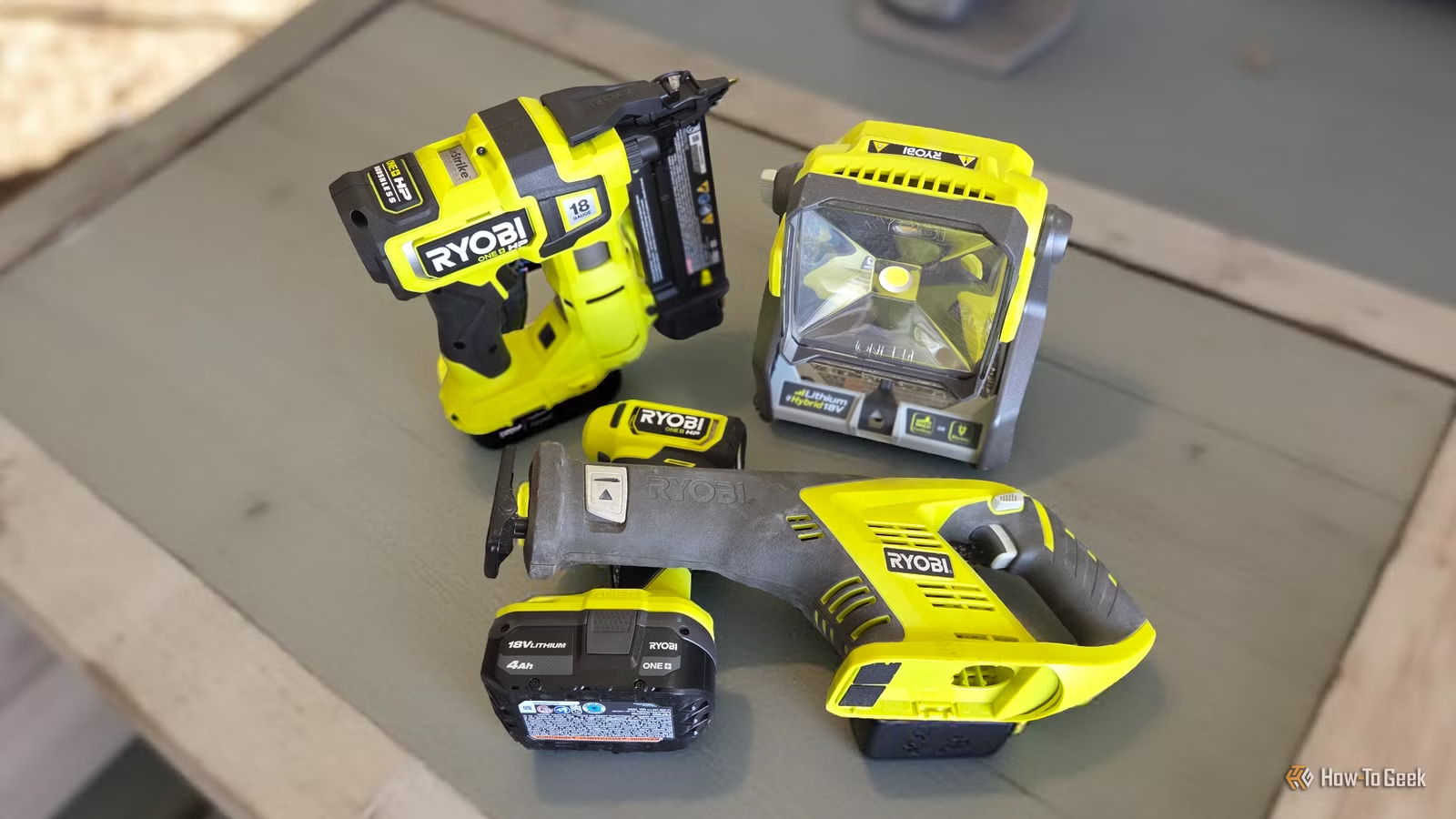
In 1996, Ryobi made a commitment to maintain the design of their 18V battery mount. Fast forward thirty years, and the batteries are still compatible, the power tools remain reliable, and my garage is a vivid display of bright green equipment. While that neon lime color dominates my workspace, I can’t help but appreciate it.
This long-standing commitment to engineering is one of the most consumer-oriented moves in the power tools industry, which is why I have been a loyal Ryobi customer for over two decades. Despite the playful jokes about the color, one thing is clear: it doesn’t detract from the tools’ performance.
Ryobi’s Battery Commitment
Compatibility Across All Tools
Ryobi launched its first power tool in 1968, venturing into various products over the years. Everything transformed with the introduction of the 18V platform and its first cordless drill in 1996.
The original 18V ONE+ lineup was showcased in a deep blue hue, and I still own several of those vintage models. At launch, the company assured customers that the battery design would remain unchanged, guaranteeing compatibility for future tools. As a result, any Ryobi 18V tool purchased from 1996 onward will work seamlessly with today’s battery packs available at retail stores. This interoperability is a significant factor for the brand’s success and the main reason I continue to buy Ryobi tools. Three decades later, this promise still stands.
About 25 years ago, I made my initial power tool purchases from Milwaukee, which had their V28 and V18 platforms phased out and replaced with the M18 line. It was during this transition that I purchased my first Ryobi drill and quickly recognized its affordability and functionality. All subsequent models maintained compatibility with the same 18V battery design, unlike my Milwaukee tools. This consistency led me to sell my Milwaukee collection and fully embrace Ryobi. The reliability of having one battery system for all their 18V tools, combined with competitive pricing and a broad product range, solidifies my loyalty to the brand.
Transition to Neon Green
The Rise of Lithium-Ion Technology
While the color itself may not impact performance, Ryobi’s distinctive shade has sparked plenty of conversation among consumers. Back in the ’90s, when I was enamored with Mountain Dew’s vibrant green, I never anticipated it would come to represent much of my tools.
In 2002, the Chinese company Techtronic Industries (TTI) acquired Ryobi, leading to mass production under the ONE+ branding by 2004. The earlier blue tools were generally equipped with 18V NiCd batteries.
Ryobi unveiled its signature bright green color in 2007 to signify the introduction of modern lithium-ion batteries. This change meant that consumers could expect enhancements in performance, runtime, and rapid charging capabilities with every new green tool or battery.
Interestingly, it took until 2014 for Ryobi to fully phase out the blue color, offering many tools in both variants, with the newer green models often priced slightly higher. This strategy effectively associated the green color with advanced battery technology, which was significant at the time.
Whether You Love It or Hate It, These Green Tools Deliver
Today, nearly all Ryobi products showcase the iconic bright green color, with only a few exceptions for limited editions.
The strength of Ryobi’s promise extends beyond color. They have continuously innovated to meet market changes by incorporating robust brushless motors, advanced HP (High-Performance) battery options, and new tabless “EDGE” batteries that significantly enhance power, runtime, and charging speeds—all while maintaining the original battery design from 1996.
In a marketplace where many manufacturers embrace planned obsolescence, Ryobi remains steadfast in its commitment to quality and durability. With an extensive collection of Ryobi tools and multiple battery packs at my disposal, I have no intention of switching brands, and I know I’m not alone.