Joe Maring / Android Authority
Recent leaks regarding the Samsung Galaxy S27 Ultra have stirred considerable excitement within tech circles. Initial renderings reveal a prominent, horizontal camera bar extending across the rear, moving away from the previous design of individual floating lenses, which some have noted bears a resemblance to Apple’s Pro models.
Historically, Samsung has faced criticism for sticking with conservative, iterative designs. While this criticism may have been warranted, the company’s current attempt at innovation raises questions. Instead of a pioneering overhaul, the shift feels more like mimicking Apple’s established aesthetic rather than pushing their own boundaries.
The deliberate imitation of Apple’s design direction is striking and somewhat surprising.
What are your thoughts on the rumored redesign of the Galaxy S27 Ultra?
1 votes
Samsung’s Design and Usability Challenge
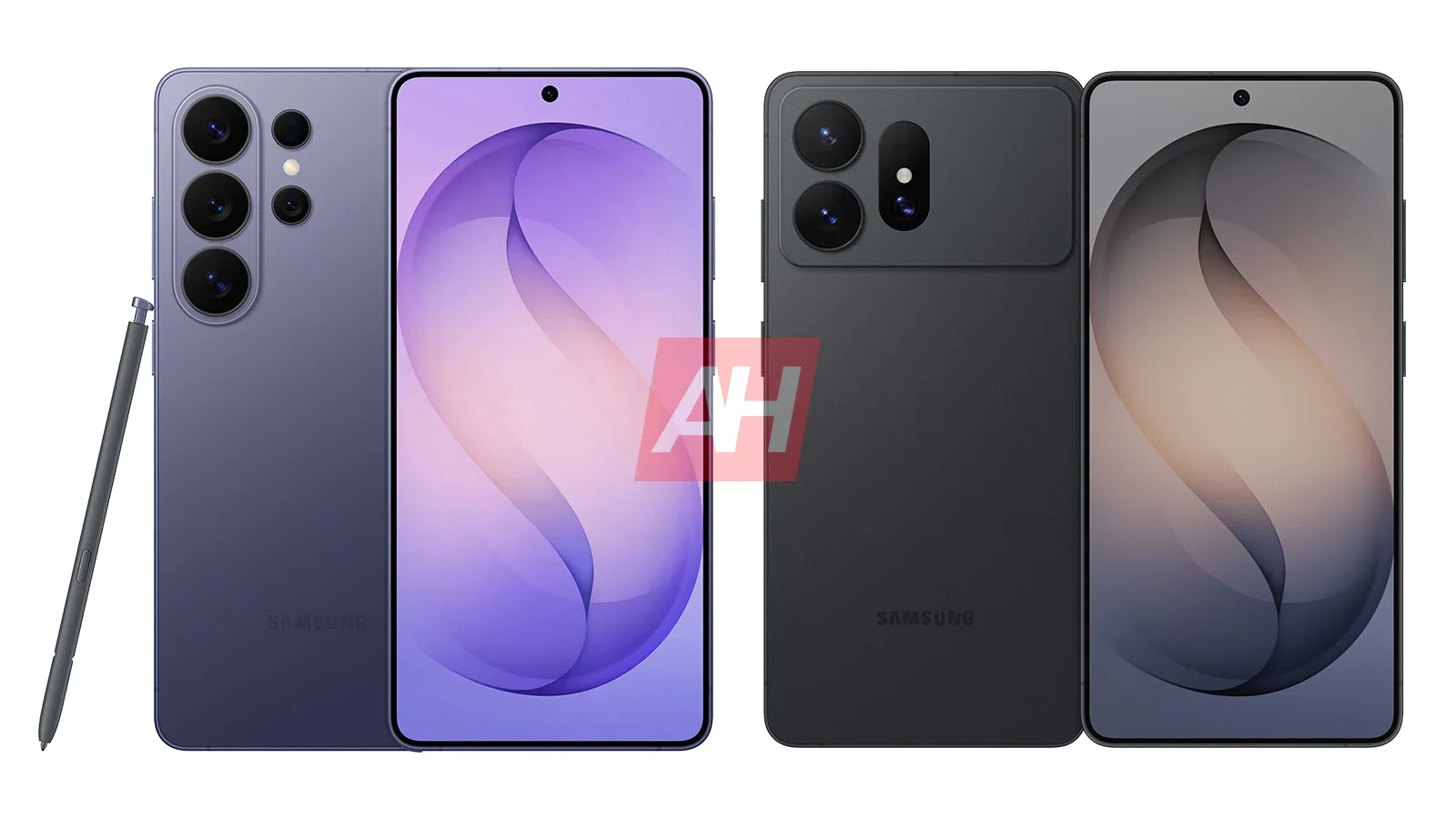
If you’ve been keeping up with the Galaxy S27 Ultra updates, it’s clear that the anticipated design is a significant departure. While details remain largely speculative, it’s uncommon for Samsung’s products to stray far from leaks and rumors.
The initial feedback to these revelations aligns with expectations: many have noted that the design seems reminiscent of Apple’s aesthetic, akin to what one might find from lesser-known Chinese brands. However, there’s a kernel of truth to this sentiment; even other prominent Android brands have successfully cultivated unique visual styles.
Samsung had a valid reason to rethink the Galaxy’s design, but it didn’t require imitating Apple’s approach.
This situation is frustrating because Samsung cautiously crafted a minimalistic and recognizable design over several years. Abandoning this for a bulky camera area sacrifices the distinctiveness that set the Galaxy Ultra apart. While it may seem trivial, design recognition is crucial in a saturated smartphone market. The iPhone stands out immediately, whereas two Xiaomi devices might appear indistinguishable.
Megan Ellis / Android Authority
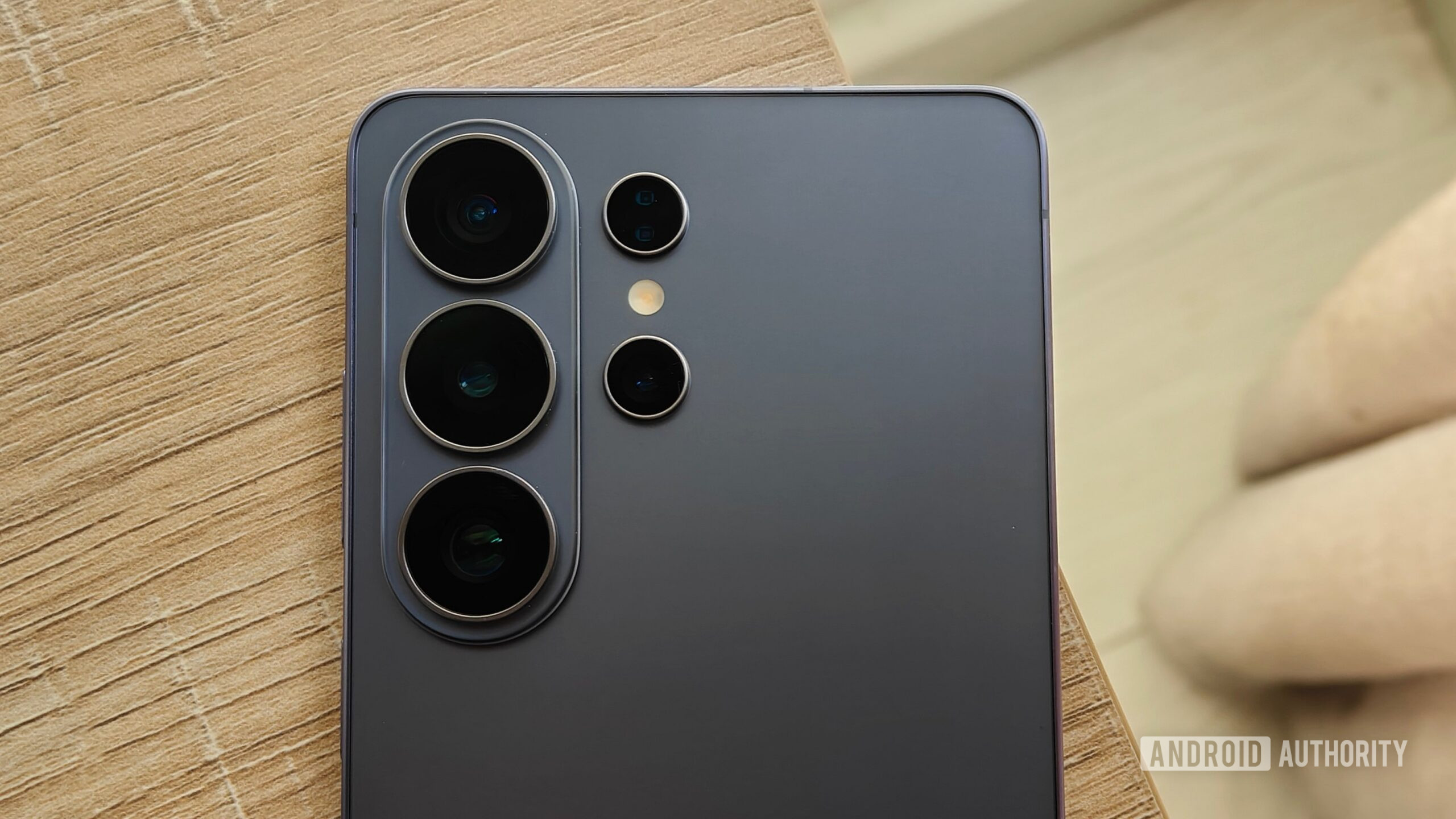
Nonetheless, expressing discontent with Samsung reverting to an older design overlooks a significant issue: the earlier camera configuration hindered the integration of magnetic accessories, which are now becoming more popular. The raised lens rings obstructed the functionality of magnetic chargers and wallets, compelling users to rely on third-party alternatives.
For Samsung to support native magnetic charging effectively, a redesign was necessary. However, that doesn’t justify completely adopting Apple’s aesthetic. Various manufacturers, like the Pixel series, showcase how to introduce magnetic charging without imitating major competitors.
Following in Apple’s Footsteps
Ryan Haines / Android Authority
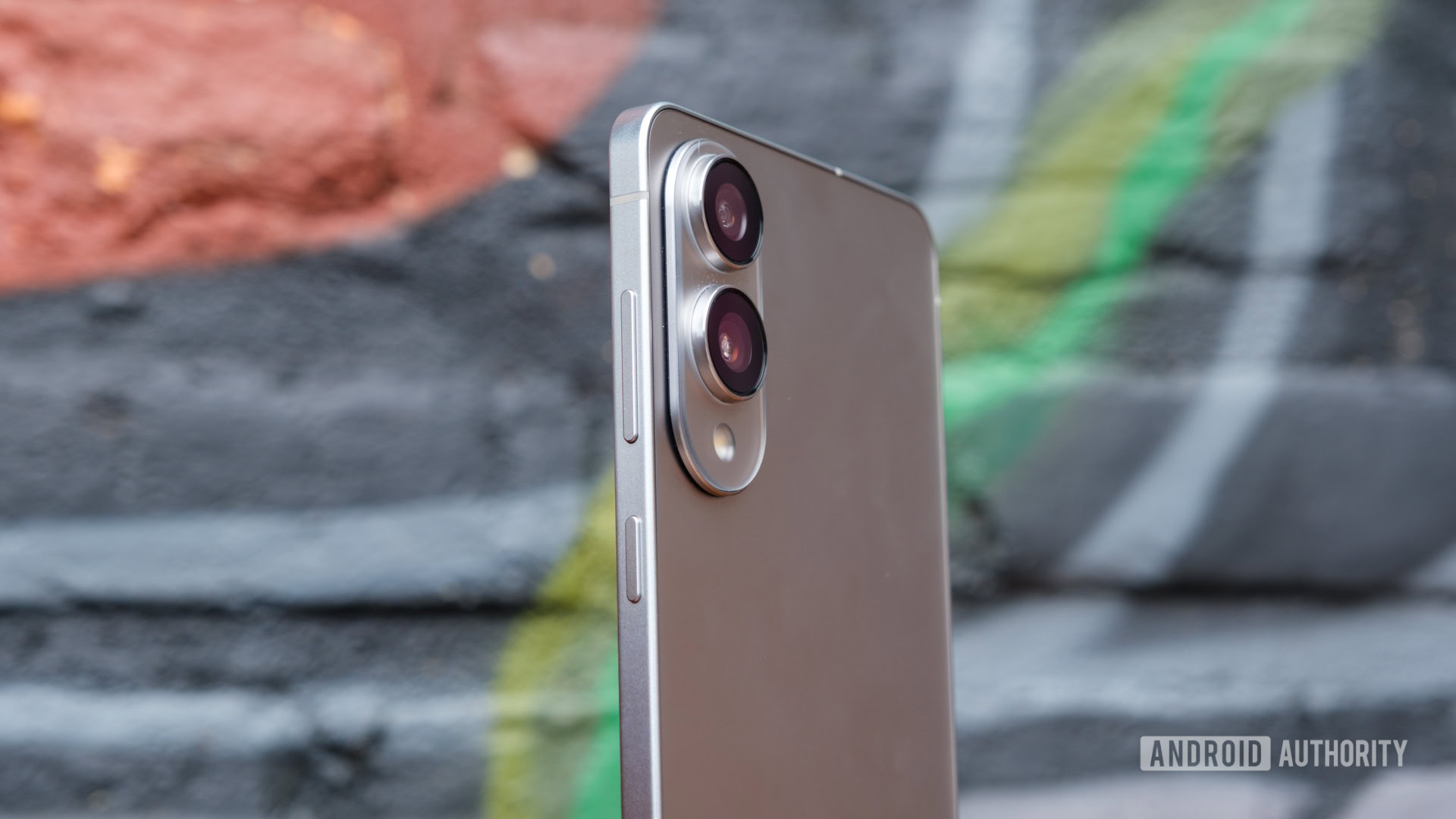
The redesign of the S27 Ultra is an unsettling trend for many, as it represents a growing pattern where Samsung appears to wait for Apple to set the tone before making its move.
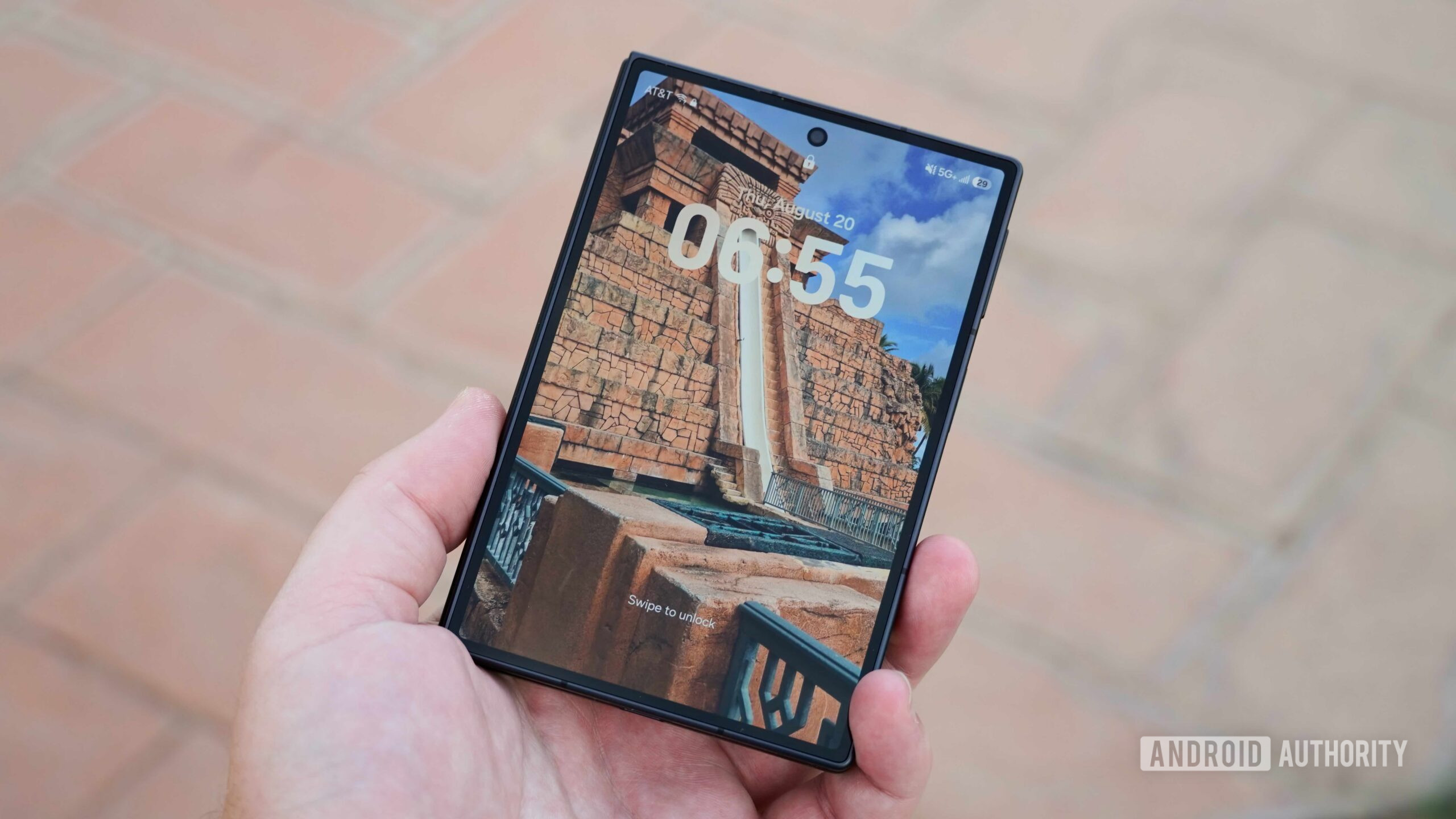
For instance, when speculation circulated about an ultra-slim iPhone, Samsung quickly followed with news of its own thin device. Similarly, as Apple explored wider ratios for future foldables, Samsung began adapting their designs in that direction too. The recent Galaxy Z Fold 8 showcases this wider approach.
Once a trailblazer in smartphone design, Samsung now seems to be waiting on Apple for direction.
This raises important issues: Has Samsung exhausted its pool of innovative ideas, or has it simply become too comfortable? Or is the company opting for a safer strategy of following Apple’s lead while hoping to make a successful launch?
Samsung once led the charge in creating phablets, popularizing curved screens, and successfully establishing foldable smartphones as a viable market. The brand was synonymous with innovation and unprecedented advancements, challenging competitors to keep pace.
Brady Snyder / Android Authority
Currently, despite foldables gaining ground, they constitute a small fraction of the overall smartphone market. The majority of consumers still prefer traditional models, especially with escalating prices. As growth in the foldable segment appears to plateau, Samsung seems increasingly reluctant to take bold steps with its flagship models.
Rather than pioneering advancements, the company seems happy to follow Apple’s lead. Apple often experiments in the market, assesses consumer feedback, and sets new trends, while Samsung appears to trail behind—taking cautious steps.
Others in the Industry are Following Suit

Joe Maring / Android Authority
Samsung is not the sole brand embracing this path. The Android market appears to be experiencing an identity crisis. Manufacturers are increasingly eager to attract iPhone users, leading to a dilution of the unique characteristics that previously set Android apart.
Previously, critiques were directed towards smaller Chinese brands for adopting iOS design traits. Now, both Samsung and Google—the top players in Android—are adopting similar practices: Samsung in its hardware approach, and Google, to a lesser extent, by integrating features reminiscent of Apple.
Design an Android that mimics an iPhone.
The current goal for major Android smartphones seems to focus on replicating the iPhone experience as closely as possible. While this may be a sound business strategy, it comes at the cost of losing diversity within the platform.
When leading brands within an ecosystem cease to drive innovation and begin to imitate another brand, the platform’s unique character diminishes. Android was established on the principles of variety and distinctiveness.
Transforming each flagship into an iPhone alternative might enhance sales, but it can also lead to a feeling of sameness for those who appreciate distinct smartphone designs. If every smartphone looks and feels similar, what’s the point in choosing a different brand?
That said, some brands, like Vivo and OPPO, have successfully carved out their own identities centered around camera technology, making Samsung’s imitation even more noticeable.
Where Do Android Enthusiasts Go from Here?
Joe Maring / Android Authority
Samsung is increasingly mirroring Apple’s strategies, risking alienating devoted users who initially contributed to the Galaxy’s popularity.
While I’ve never been an ardent supporter of Samsung, I advocate for a brand that sets trends, dares to take risks, and encourages the entire industry to innovate.
A visionary Samsung keeps the industry dynamic.
The Galaxy S27 Ultra may well be a remarkable device with stellar cameras, robust performance, and an excellent user experience. Nonetheless, if the current rumors reflect reality, it risks becoming merely a clone of the iPhone 17 Pro.
I would gladly accept a standard Samsung over one that merely seeks to replicate Apple’s success.
Thank you for joining our community. Please review our Comment Policy prior to posting.