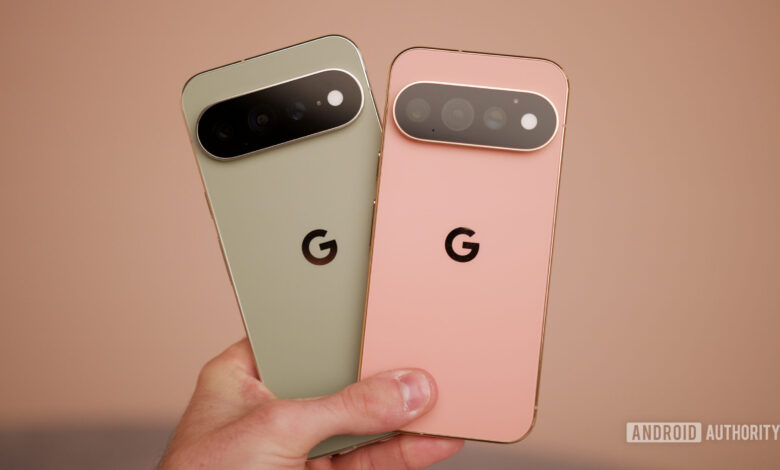
The recent unveiling of the Pixel 11 Pro has left many fans feeling frustrated for several reasons. One major concern is Google’s decision to increase the prices of its flagship smartphones while simultaneously cutting back on RAM in the base Pro models. While the reduction to 12GB of RAM may not drastically affect user experience, it’s disappointing to spend more money for a lesser offering.
Moreover, the Pixel 11 Pro seems to represent a broader strategy where Google is pushing consumers to upgrade their devices more frequently, a move that doesn’t necessarily align with actual user needs.
Google typically does not depend solely on specifications to market their smartphones, as that is not their primary audience for the Pixel line. However, by downplaying hardware specifications and performance, the company is likely setting the stage for encouraging more frequent upgrades, a tactic that may prove effective.
Is Paying for AI on Older Pixels Worth It?
In a recent survey, opinions varied on whether users would pay for AI features on their older Pixel devices. The majority, 83%, firmly believed it would be a waste of money, while 11% said they would opt for a new phone. Only 7% expressed openness to the idea if it meant extending the life of their older models.
Google’s Focus on Experience Over Hardware
Interestingly, Google chose not to emphasize the raw performance of its new Tensor G6 chipset during the announcement. Instead, they highlighted the chipset’s enhanced TPU capabilities, showcasing features like Google Rambler, which turns spoken thoughts into clear messages. This feature seems aimed at strengthening Google’s position in the text-to-speech market.
However, there is a catch: new features tied to hardware advancements may not be available for older devices, similar to past experiences where users felt left behind shortly after a significant purchase. For instance, last year’s Tensor G5 chipset had limitations that restricted the rollout of certain features, leaving current users questioning the value of their investment.
Lessons from Samsung’s Galaxy S24 Ultra
This trend isn’t unique to Google. A similar situation occurred when Samsung released the Galaxy S24 Ultra, claiming that certain AI features would only work with the latest Snapdragon 8 Elite chipset, leading many users to feel frustrated with what appeared to be a planned obsolescence of their devices.
As smartphones become increasingly powerful, the average user’s requirements haven’t drastically changed, making it hard for companies to justify new purchases. Features such as camera enhancements have become less enticing, especially given the rise of computational photography and improved imaging in budget devices.
Google’s Strategies to Retain Older Device Users
Google has previously found ways to extend the capabilities of older devices through cloud updates. For example, owners of the Pixel 8 were able to access some AI functions despite initial hardware limitations. Similar avenues might keep older models relevant, yet the danger remains that Google could eventually attach a price tag to these enhancements.
While users once dismissed subscription fees for software features as unnecessary, technological advancements are making such options more appealing. The potential success of applications like Rambler could redefine how consumers view upgrades, as the demand for the latest tools increases.
Google might alleviate some of the upgrade pressure through attractive trade-in deals or enhanced financing plans, but the looming reality is that consumers may soon find themselves renting their devices to access the best available features—a thought that carries a bleak outlook.