BMW’s new electric SUV highlights a significant trend in the automotive industry—an excessive focus on touchscreen interfaces. The impressive infotainment system of the vehicle handles navigation and entertainment but also eliminates many traditional physical controls. BMW suggests this shift caters to younger consumers, though the outcome seems less user-friendly than anticipated.
The issue lies not with the touchscreens themselves, but rather with manufacturers overusing them in place of physical buttons and switches. For routine tasks, these tactile controls are generally more efficient and simpler to use. The iX3 exemplifies this trend by complicating straightforward interactions with complex menus, thereby underscoring that larger screens are not necessarily better.
The BMW iX3: A New Touchscreen-Controlled Experience
Every Function in the Digital Sphere
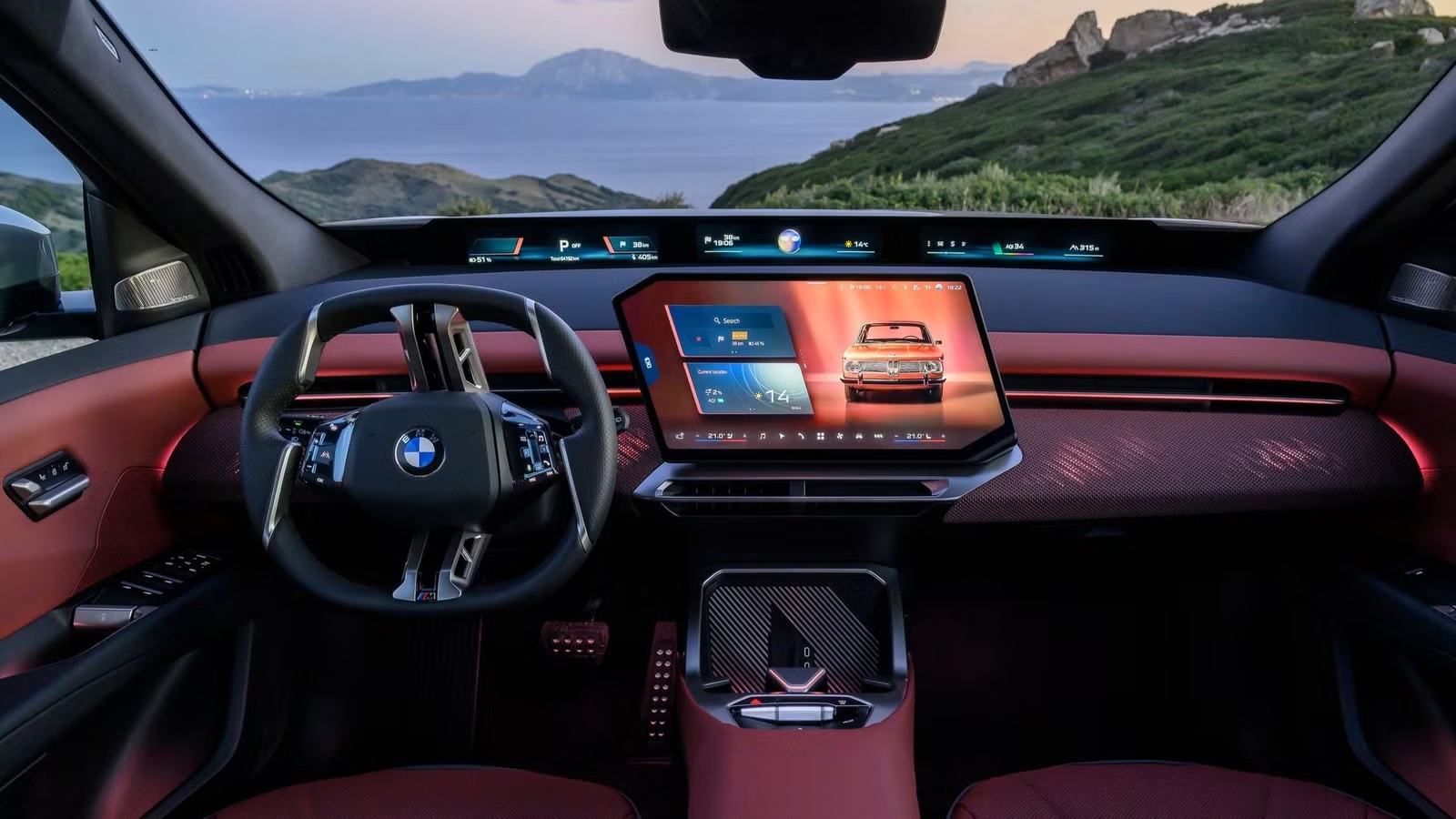
BMW recently launched the iX3, an all-electric variant of the X3, showcasing its radical interior and exterior design, which have received mixed responses. Among its standout features is an expansive 17.9-inch infotainment display. However, while it offers cutting-edge technology, relying exclusively on this screen for basic functions detracts from the driving experience.
Gone Are the Physical Controls
In the iX3, conventional climate controls are nonexistent, replaced entirely by menu navigation via the touchscreen. There’s no dedicated section for climate controls or a rotary dial for those who prefer tactile inputs. Even climate vents are adjusted through touchscreen menus, taking usability to an extreme.
Digital Advertising in Luxury Vehicles
A recent controversy involved BMW’s decision to showcase advertisements, including one for the upcoming Spider-Man movie, on the iX3’s extensive display. Many owners voiced their outrage at having their luxury vehicle advertise commercial content, a trend that hints at future marketing strategies for the brand.
Generational Shift: Blaming Young Consumers
It’s Being Framed as a Generational Preference
While criticisms about the rise of touchscreens in vehicles are surfacing, BMW has countered by stating that this trend reflects the preferences of younger generations. According to Vikram Pawah, CEO of BMW Australia, younger consumers are more inclined toward using touch and voice technology while on the go. However, this rationale appears somewhat disassociated from the broader customer sentiments against the diminishment of physical controls.
The Perspective from Younger Consumers
Pawah mentioned, “We can see that voice and touch are becoming more and more common. Maybe it’s a generational thing, as younger individuals are quick to adapt to such technologies.”
This approach indicates BMW’s potential disconnect from the needs of its consumers, particularly those valuing practicality and ease of use.
A Widespread Movement Toward Big Touchscreens
BMW Isn’t Alone in This Trend
The iX3 exemplifies a growing phenomenon in the automotive industry, where numerous manufacturers are opting for extensive touchscreen controls while phasing out physical buttons. This trend appears more focused on cost-cutting rather than enhancing user experience.
Modern Cars Losing Their Charm
While incorporating a touchscreen can elevate vehicle technology, it should not come at the cost of functionality. Eliminating buttons and switches may lead consumers to perceive vehicles as lower quality, especially in luxury options like the iX3. This trend affects all levels of car models.
BMW’s Evolution: Moving Away from Tradition
The introduction of the latest generation of BMW vehicles highlights a shift from tactile interfaces to digital ones, steering the brand away from its sporty heritage. The iX3 represents another step in this transition, proving that the excessive reliance on touchscreen technology has reached an unsustainable level.