FDA Greenlights Expandable Heart Valve for Children That Evolves with Their Growth

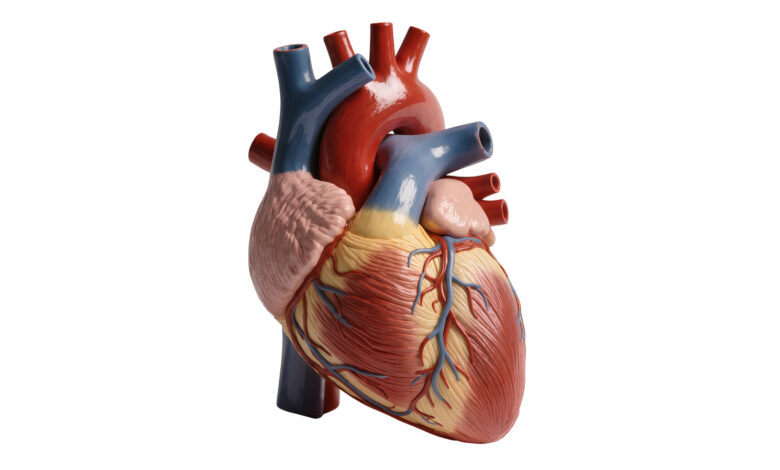
The Autus Size-Adjustable Valve reduces the need for multiple procedures.
The U.S. Food and Drug Administration (FDA) has given the green light to a revolutionary heart valve that can be adjusted after implantation to accommodate a child’s growth. Developed by Edwards, the Autus Size-Adjustable Valve is specifically designed for pediatric patients needing an artificial pulmonary valve.
Research from the National Library of Medicine indicates that about 400,000 infants born annually in the U.S. are diagnosed with some form of congenital heart disease. Among these conditions, around 30 percent involve valve issues, which are crucial for regulating blood flow in the body. The most common problems affecting the pulmonary valve, located on the right side of the heart, are stenosis—a narrowing of the valve—and atresia, where the valve fails to develop properly. According to the Centers for Disease Control and Prevention, approximately 4,200 newborns in the U.S. are impacted by these issues each year.
While artificial pulmonary valves have long been an option, they usually necessitate multiple surgeries during childhood to replace them with larger versions as the child grows. The Autus Size-Adjustable Valve can be implanted in children as small as 13 millimeters in diameter. For older patients, it can be adjusted before surgery. What sets this valve apart is its ability to expand within the body.
By utilizing a balloon catheter—a slender tube with an inflatable balloon at its tip—the Autus can be expanded after the initial surgery, allowing it to keep up with a child’s growth. The valve can expand to a maximum of 22 millimeters, comparable to sizes used in adult artificial valves. This innovation significantly reduces the necessity for repeated surgeries, thereby minimizing risks for children with congenital heart defects.
Additionally, the Autus is the first adjustable heart valve to incorporate polymeric materials for its flaps. Conventional implants often rely on animal-derived synthetic materials that tend to degrade more quickly in children, leading to even more surgeries. The FDA reports that initial follow-up results suggest that the Autus holds up better over time compared to other models.