Daily Dependence on Google Maps: 4 Key Features It Lacks That Keep It from Being Perfect


Karandeep Singh / Android Authority
Over the past couple of decades, Google Maps has transformed from a basic navigation tool into an integral application for a wide range of tasks. It assists with daily commutes, finds local coffee shops, displays business hours, and provides real-time traffic updates to help plan departures efficiently.
However, despite numerous enhancements, redesigns, and the incorporation of AI, there are still several features that users wish Google Maps would introduce. These enhancements do not require a fundamental overhaul; instead, they are simple solutions that would enhance usability for daily users.
Here are four features that could significantly improve Google Maps.
Which Google Maps feature do you want the most?
0 votes
Download Entire Regions with Ease
Dhruv Bhutani / Android Authority
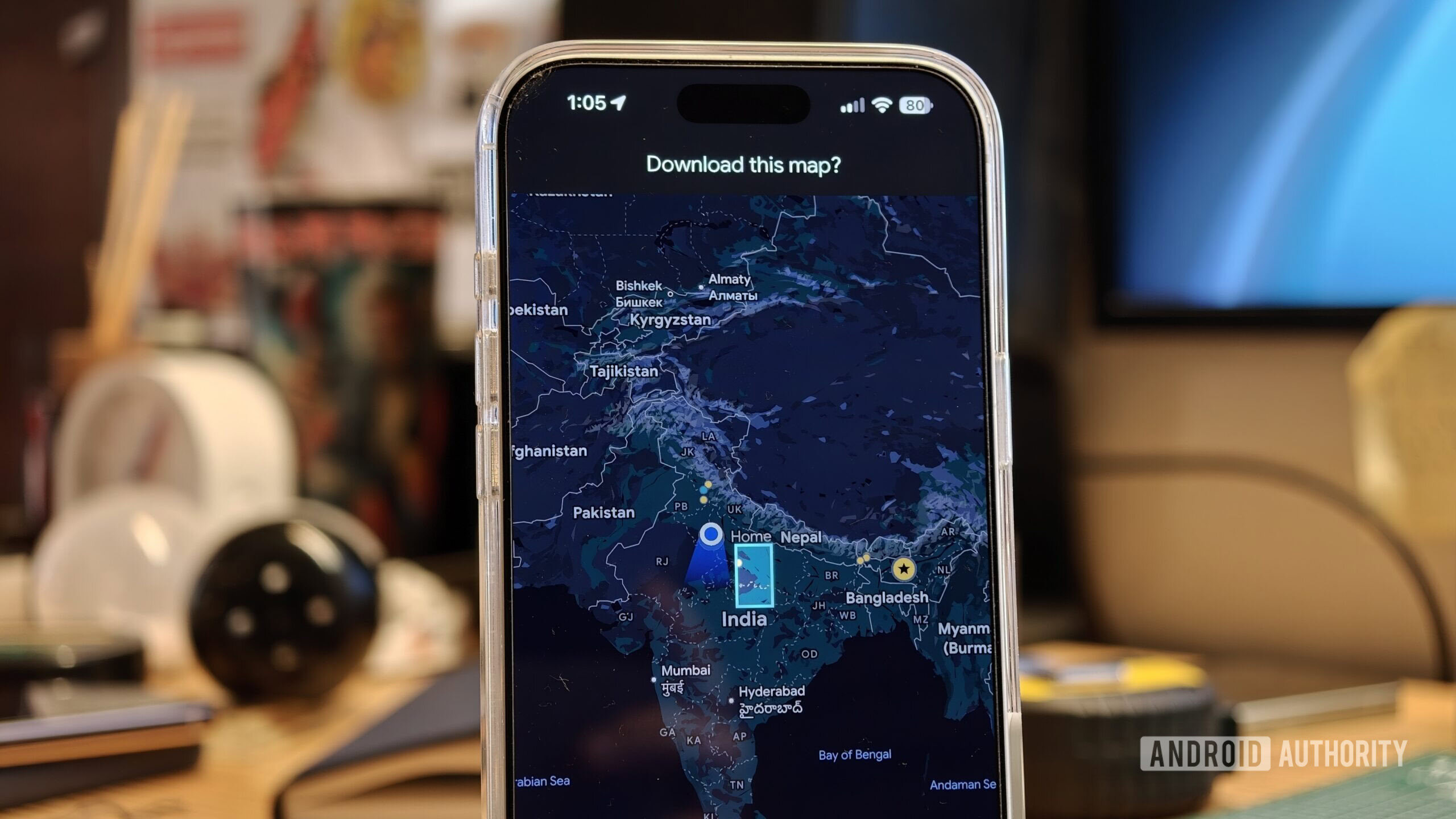
Google Maps offline capabilities haven’t evolved significantly over the years, which is frustrating.
While you can download map areas for offline access, the current method requires manually selecting an area by drawing a rectangle. This can be quite labor-intensive, particularly for extensive travels in large countries, where one may end up meticulously outlining multiple sections of a route.
This cumbersome process means it’s virtually impossible to save an entire country offline without fitting it into multiple segments. Other navigation apps like Maps.me streamline this by allowing users to select a country or region from a list for a single download, which is much more efficient.
Downloading an entire region shouldn’t have to involve drawing rectangles.
Google could easily implement a user-friendly download process that works similarly by allowing users to tap on a desired country or area and automatically manage updates through Wi-Fi.
Optimize Multi-Stop Routes Automatically
Dhruv Bhutani / Android Authority
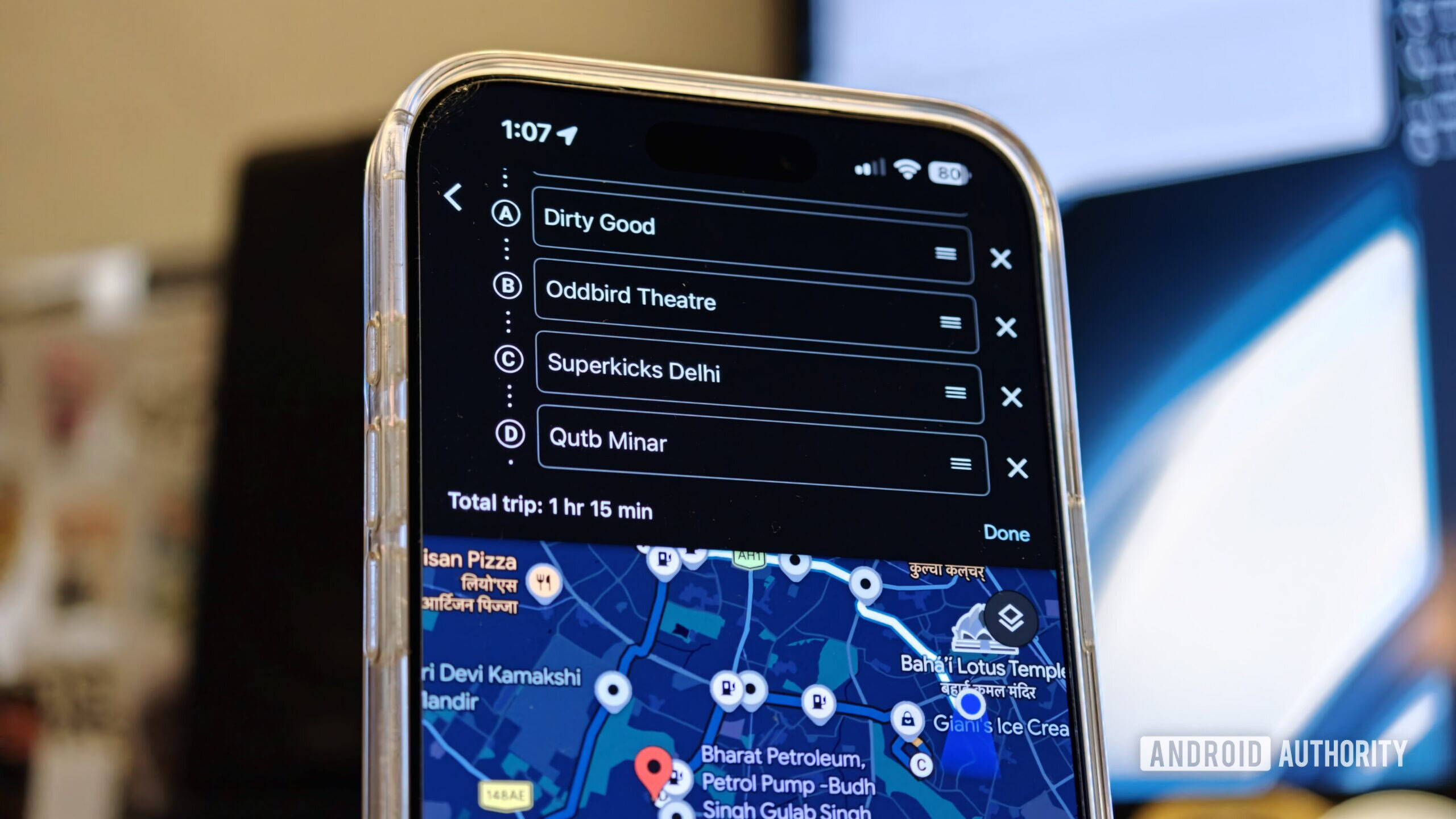
Google Maps excels at directing users from point A to point B but struggles with adding multiple stops efficiently. While it allows users to input several destinations, they must be sorted manually, which can lead to convoluted routes.
Missing features mean that users cannot optimize their routes automatically for the most efficient order of stops. This gap becomes increasingly significant, especially when navigating new areas.
Google Maps should calculate the best order for my stops, not just provide a route.
Introducing an optimization feature for multi-stop routes could quickly analyze traffic and location data to propose the best travel sequence, enhancing user efficiency.
More Control Over Navigation

Dhruv Bhutani / Android Authority
While Google Maps is adept at determining the fastest route, it does not always align with user preferences. Users currently have limited options for customizing routes, primarily to avoid tolls and highways.
Occasionally, Google Maps opts for shortcuts that lead to unpaved or less reliable roads. Users should have the capability to prioritize main roads over smaller routes to ensure a more comfortable journey.
The quickest route isn’t always the best one.
In contexts where roads have unpredictable conditions, an added customization feature that prefers more reliable routes could greatly enhance user experiences.
Facilitate Trip Planning

Dhruv Bhutani / Android Authority
Google Maps remains the go-to travel app for many, particularly for saving spots of interest for upcoming trips. However, the app’s trip planning functionality is rather basic.
For instance, while planning a trip to Japan, I saved various locations to explore, but could not sort them effectively. This lack of organization made it tough to navigate my itinerary efficiently.
Google Maps has ample data to construct a practical travel itinerary.
The app could utilize traffic patterns, travel times, and operating hours to generate organized travel plans tailored to user preferences, making navigation much simpler.
After all, Google Maps could have suggested avoiding locations closed for the day, optimizing travel routes based on user schedules and preferences.
With the growing integration of AI technologies, the time is ripe for Google Maps to include such convenient features.
Focus on Essential Features

Joe Maring / Android Authority
Despite being an incredibly useful application on my device, there is still significant room for growth in Google Maps. Competitors like Apple Maps have made strides to compete effectively in key areas, making it crucial for Google Maps to elevate its features.
The enhancements being sought may not be groundbreaking in contrast to more superficial redesigns or AI features, yet they address fundamental everyday issues users encounter.
Essential improvements include the ability to download extensive regions pre-trip, optimize daily route plans automatically, determine preferred road types, and facilitate comprehensive trip itinerary organization.
For consistent users of Google Maps, these enhancements would truly make a difference.
Thank you for being part of our community. Please review our Comment Policy before posting.