For owners of the Bose S1 Pro or S1 Pro+, there’s news to share that includes both positive and negative aspects. The positive: the speaker itself is functioning properly. The negative: there may be issues with the internal battery pack. Recently, Bose, in collaboration with the U.S. Consumer Product Safety Commission (CPSC), issued a recall affecting nearly 635,000 lithium-ion battery packs in the United States, along with approximately 35,400 in Canada.
The recalled battery packs pose a risk of overheating and possible ignition, leading to fire hazards and burn injuries. Owners should cease using any affected units immediately. Bose has already documented seven incidents of batteries melting, smoking, or catching fire, which have caused property damage in six instances. Thankfully, no injuries have been reported so far.
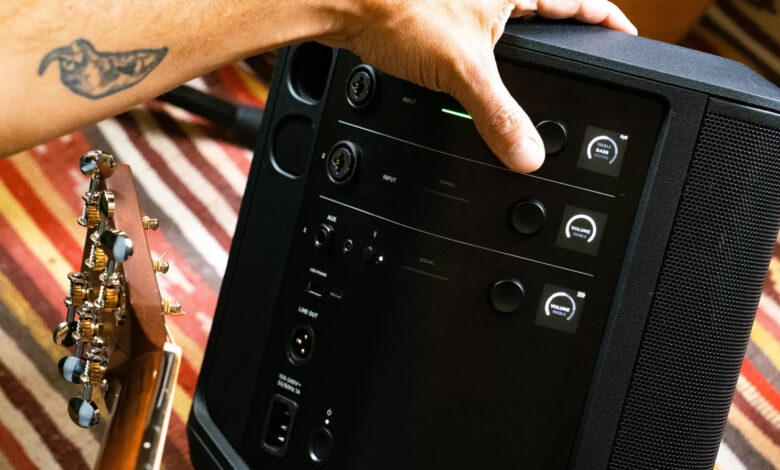
The S1 Pro and S1 Pro+ are designed as portable PA speakers, ideal for events and performances. They come equipped with a built-in mixer, facilitate Bluetooth streaming, and can operate on the removable battery pack for mobility. The S1 Pro+ model also accommodates a wireless microphone and instrument transmitter, which can be purchased separately for $159.
These battery packs were sold between December 2017 and July 2026 through retailers like Bose, Best Buy, Amazon, and Walmart. They were included with the speaker systems, which retail for around $700, and could also be bought individually for prices ranging from $100 to $160.
Not all battery packs are included in the recall. To determine if yours is impacted, you must remove the battery and check its 17-digit serial number. If it begins with 083723, 078352, 084105, 078591, 078592, 084106, or 086409, you’re encouraged to register for a free replacement on Bose’s official recall site. The company has also provided comprehensive instructions for this process. Meanwhile, users can continue to utilize the speaker by plugging it into an AC power source.
It’s important not to discard the recalled lithium-ion batteries in regular trash. Consult your local household hazardous waste facility for guidance on safe disposal methods.