Portrait Mode Showdown: Discovering the Top Smartphone Camera Among the Big Three

Robert Triggs
Capturing stunning portraits involves more than just snapping a photo; it requires an understanding of natural skin tones, flattering facial features, and the perfect amount of background blur. However, achieving this balance is challenging, and different smartphone manufacturers have distinct methodologies for accomplishing it.
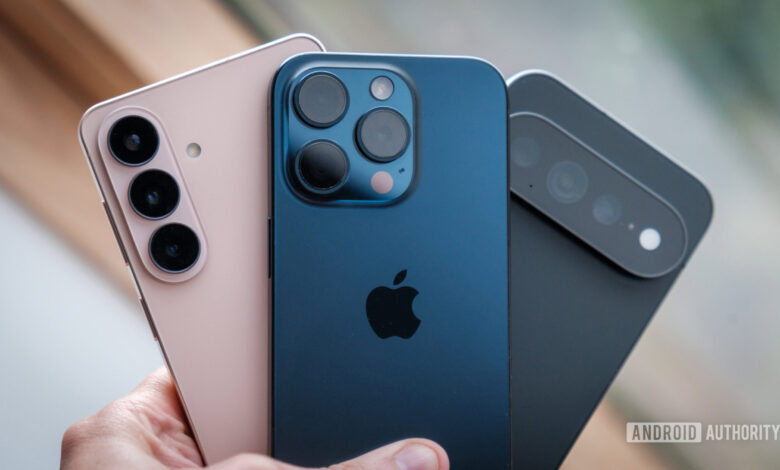
To determine which approach yields the best results, I tested the iPhone, Google Pixel 11 Pro XL, and Samsung Galaxy S26 Plus side by side. Each device offers unique features, from specialized telephoto lenses to advanced AI enhancements. But whose camera excels in producing the most appealing and naturally styled portraits?
Pixel: Simple but Effective
Joe Maring
The Google Pixel is celebrated for its efficient yet straightforward design in photography, especially evident in its portrait mode.
The main viewfinder features minimal controls, primarily adjustable zoom, which defaults to 2x but allows flexibility to pull back to 1x or zoom in to 5x telephoto with simple taps. In practice, the 2x option feels ideal, as the 5x setting can distort facial proportions if used improperly.
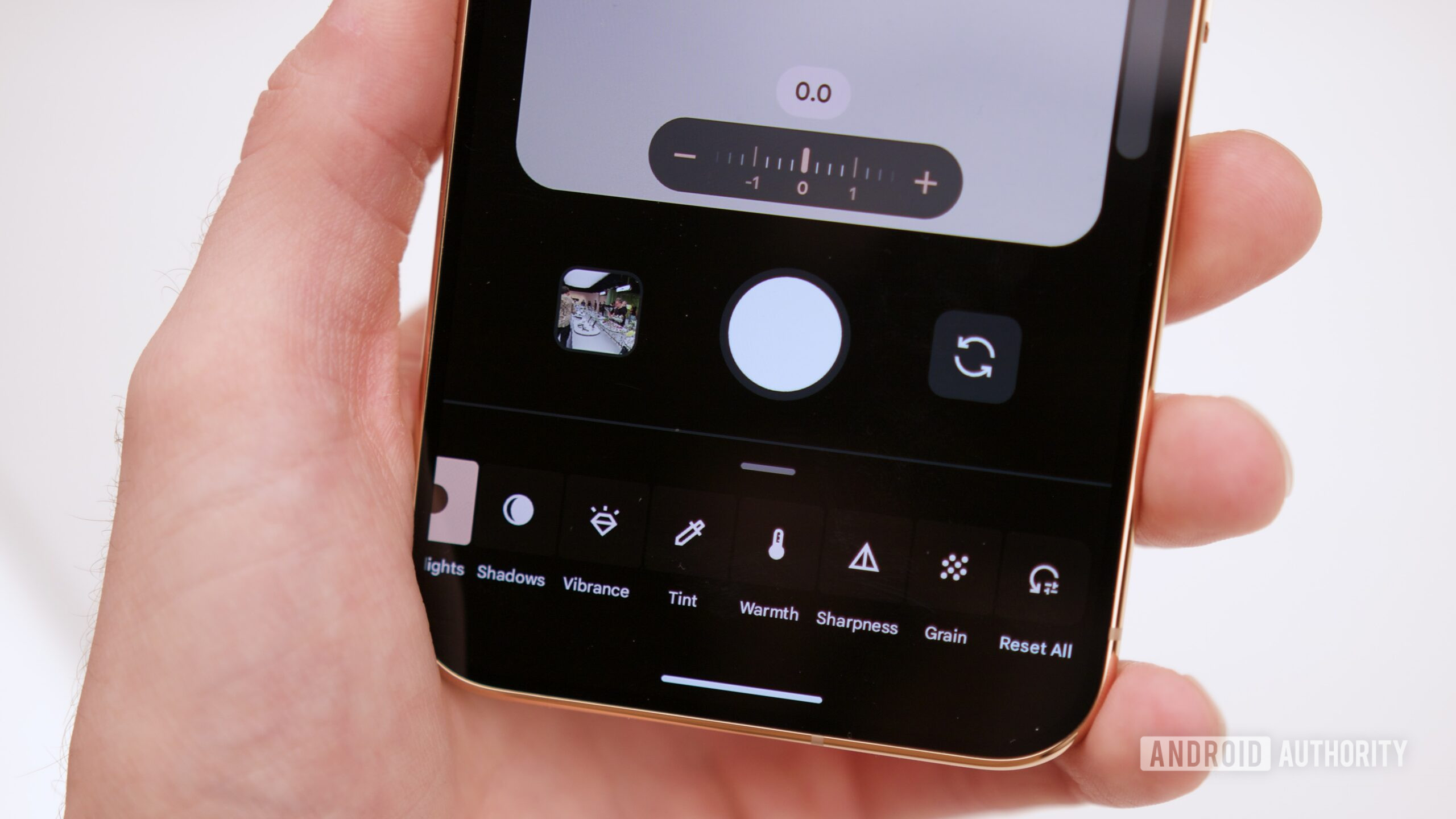
Google’s portrait mode offers additional settings like exposure and white balance adjustments, providing more control than both competing phones, which tend to limit their options without diving into advanced settings. Notably, a Blur control allows adjustments to background bokeh, while Camera Looks feature enables color grading tweaks to enhance portraits further.
The settings are split into left and right menus, which can be confusing as you try to remember where all features are located. A face retouching option, which can range from mildly smoothing to overly processed, is available, though I typically prefer to avoid such effects.
iPhone: Packed with Features
Aamir Siddiqui
Apple’s latest iOS camera app features numerous options, yet it maintains a user-friendly portrait mode while providing considerable flexibility.
The iPhone also typically defaults to a 2x zoom level, utilizing its main 24mm camera for cropping rather than a distinct portrait lens. Options to switch to 1x or zoom into 3x exist but at the cost of detail due to reliance on cropping from the main sensor.
A highlight of the iPhone’s portrait mode is its lighting options, which enhance the portraits by adjusting contrast and color settings. For instance, Studio Light provides a softer effect with reduced contrast, while High-Key Mono eliminates backgrounds entirely.
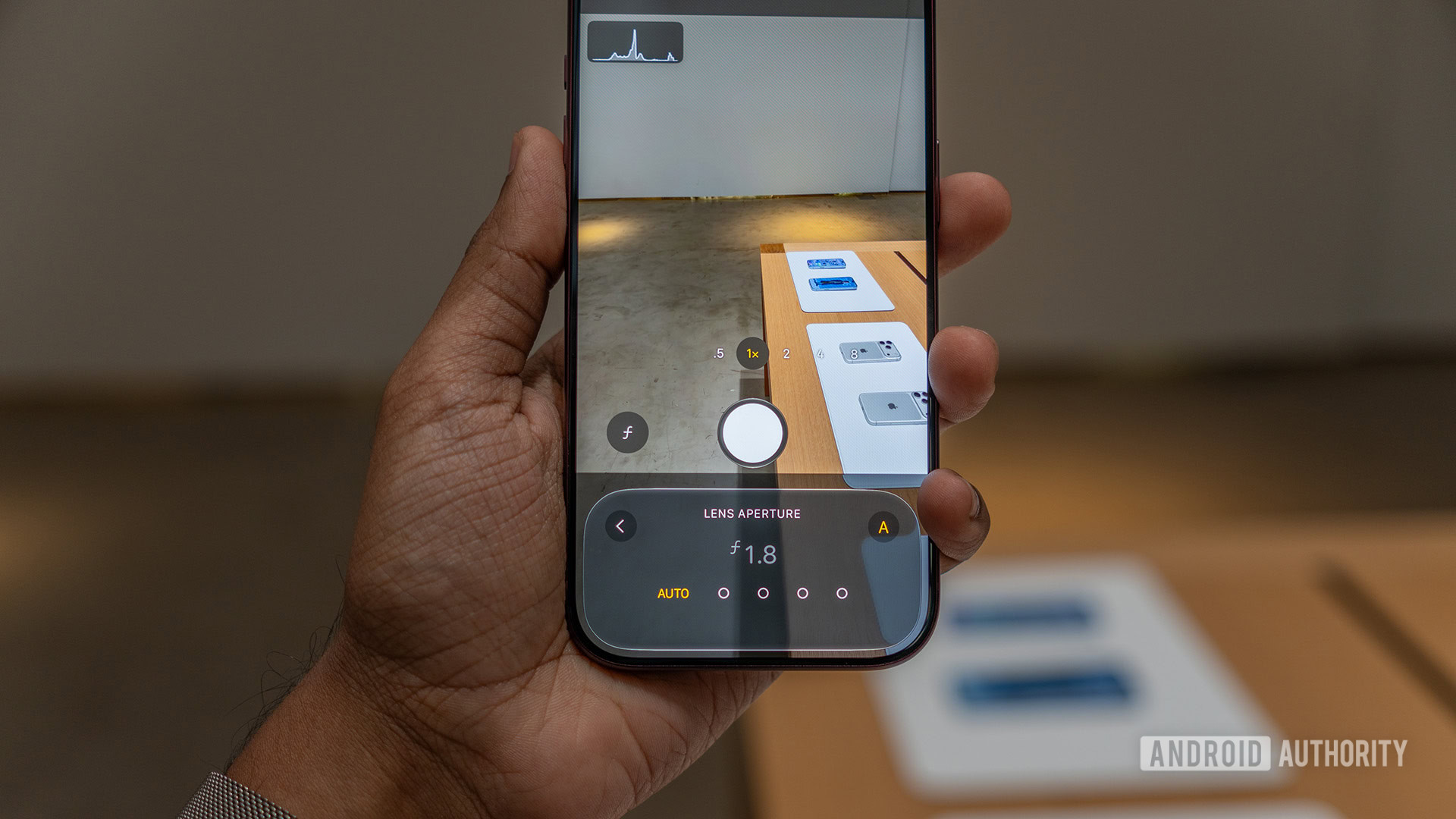
Additional features can be accessed by clicking a six-dot button, unveiling settings for Night mode, flash adjustments, and various exposure and timer controls. The Depth setting stands out, enabling adjustment of background blur strength from f/1.4 to f/16, with a default of f/4.5 to optimize portrait results.
Galaxy: A True Portrait Camera
Robert Triggs
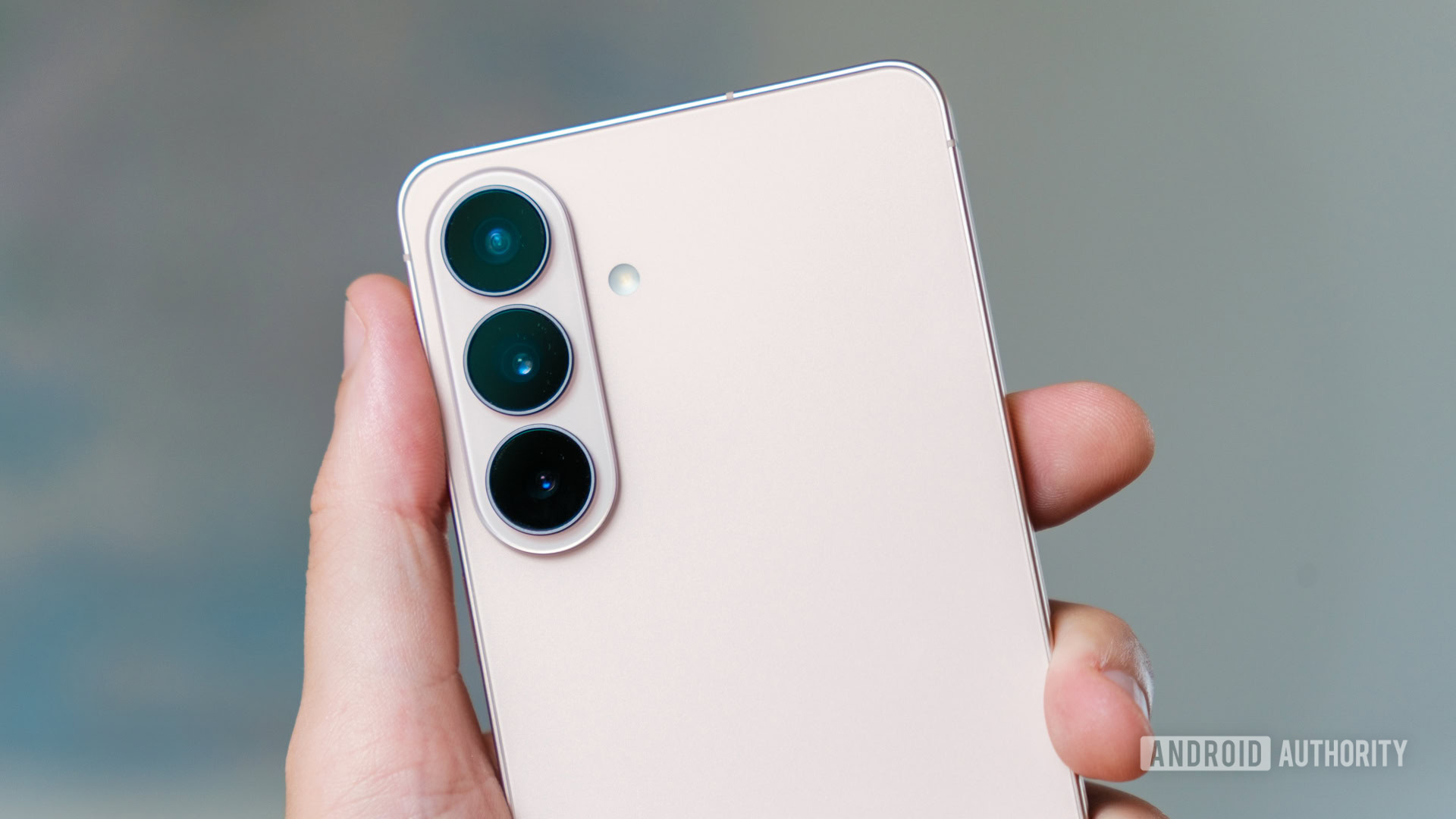
The Galaxy S26 series includes a dedicated 3x telephoto camera ideal for portraits with a focal length around 67-70mm. This lens enhances facial proportions and depth characteristics to deliver more realistic results compared to digitally cropped images. However, its smaller sensor may struggle in low-light environments.
Samsung provides a range of portrait effects similar to the iPhone while allowing users to adjust the intensity of these effects. The interface may feel cluttered, with icons that can be easily overlooked, making navigation comparatively tricky.
Conclusion: Who Comes Out on Top?
Robert Triggs
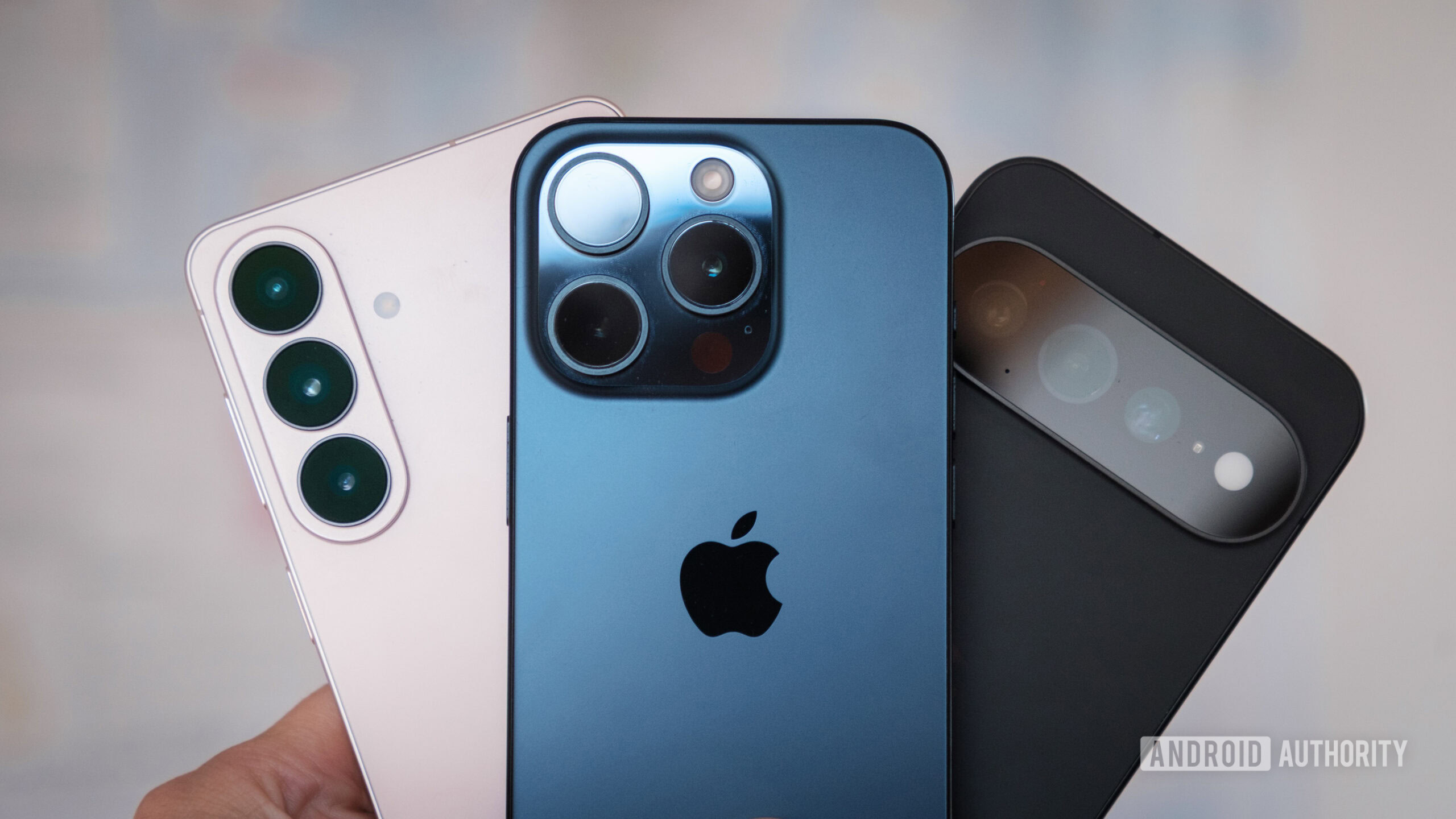
Considering usability, iPhone’s camera layout is the most intuitive, while Samsung provides a similarly extensive feature set but makes accessing them more challenging. Google’s minimalist approach is visually appealing, yet lacks the advanced lighting effects of its competitors.
In terms of image quality, Samsung’s Galaxy has potential but struggles with exposure and color in varied lighting situations. The iPhone improves on this slightly with better skin tone representation but has its own color accuracy issues. The Pixel stands out as the most balanced in terms of detail and low-light performance, despite occasionally overly aggressive image processing.
Ultimately, each phone has specific advantages and disadvantages. For the best consistency and detail in portraits, the Pixel is the standout choice, while the iPhone offers better controls and creative options, and Samsung excels with authentic facial proportions through its telephoto lens. Your pick will depend on whether you prioritize detail, usability, or a dedicated camera setup.