Fitbit Edge vs. Fitbit Air: A Comprehensive Comparison of Their Health Tracking Features

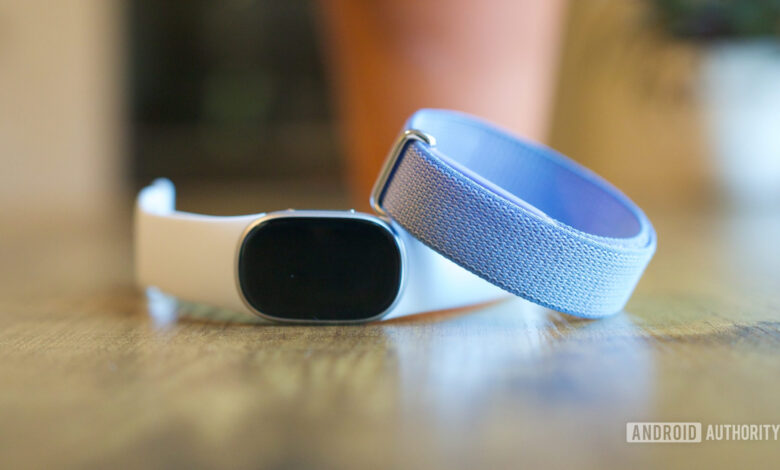
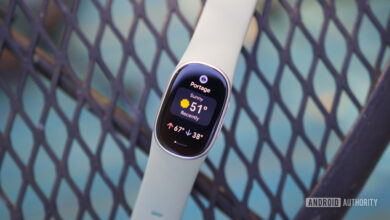
Recently, Google revealed the Fitbit Edge, a new fitness band positioned between the Fitbit Air and the recently released Pixel Watch 5. Unlike the air’s lack of a display, the Edge features a compact AMOLED screen, enabling users to view workout statistics directly on their wrist, making it more convenient for daily use.
While the display enhances usability, I was particularly interested in the health tracking capabilities. Given that health tracking is a primary reason for acquiring a fitness tracker, and considering the Edge comes with an $80 premium over the Air, it’s crucial to evaluate whether users gain significant health features or simply pay more for the screen.
To clarify, I compiled a comparison table detailing the health features of both devices. This will help potential buyers understand each tracker’s offerings and determine if the Edge is worth the additional cost.
Which Fitbit would you prefer?
Survey Results:
- Fitbit Edge: the screen and GPS justify the extra $80. (46%)
- Fitbit Air: I only care about health tracking, so I’ll save the money. (38%)
- Neither, I’d rather invest in a Pixel Watch 5. (8%)
- I’d opt for a Whoop or Garmin tracker instead. (8%)
Fitbit Edge vs. Fitbit Air: Is the Higher Price Justified?
Here’s a detailed comparison of the Fitbit Edge against the Fitbit Air, outlining their health and fitness features and key differences:
| Fitness Tracker | Google Fitbit Edge | Google Fitbit Air |
|---|---|---|
| Price (US) | $179.99 ($219.99 Stephen Curry Edition) | $99.99 ($129.99 Special Edition) |
| Display | 1.34-inch AMOLED touchscreen, side button | No screen; everything is managed through the Google Health app |
| Sleep Breathing Quality | Not yet available; Google is working on it. | Not live, but coming soon. |
| Blood Pressure Trends | Supported, requires Premium. | Supported, requires Premium. |
| Insulin Resistance Trends | Supported, requires Premium. | Supported, requires Premium. |
| Sleep Tracking | Tracks sleep stages, duration, fluctuations, and sleep score. | Tracks sleep stages and duration; lighter and more comfortable for overnight use. |
| ECG / AFib | Includes on-wrist ECG app and AFib checks. | No ECG; only passive AFib notifications. |
| Heart Rate Monitoring | Continuous heart rate, HRV, and resting heart rate. | Continuous heart rate, HRV, and resting heart rate. |
| SpO2 | Yes | Yes |
| Skin Temperature | Dedicated sensor. | Variation measured by device’s temperature sensor. |
| Exercise Modes | 50+ | 40+ |
| Auto Workout Detection | Supports up to 100 activities. | 100+ activities with an upcoming update. |
| Live Workout Metrics | Displayed on screen. | Displayed on a compatible device. |
| Real-time Coaching | Offers on-screen prompts. | Not available. |
| GPS | Built-in, providing accurate tracking. | No built-in GPS. |
| Swimming | Includes physical button for wet control. | Swim tracking available. |
| Battery Life | Up to 7 days (2 days with always-on display); quick charging available. | Up to 7 days; quick charging available. |
| Subscription | Basic functionality is free; premium features available. | Basic functionality is free; premium features available. |
| Compatibility | Works with Android and iOS. | Works with Android and iOS. |
While the Edge offers more features, the Air doesn’t lag significantly in health tracking capabilities. Both models provide continuous monitoring and access to various health trends as well as subscription features.
Although the Edge has advantages like a display for immediate feedback and onboard GPS, the Air is lighter and offers more comfort for overnight wear, making it an appealing option for those focused on sleep tracking.
Choosing the Right Device
If I had to choose, I’d select the Fitbit Air. My preference leans towards minimalist devices, as I already spend significant time connected to screens through phones and computers. Therefore, having a fitness tracker that monitors my health without constantly demanding attention is appealing. Additionally, I feel confident that I won’t compromise on essential health tracking features.
Conclusion
In summary, the Fitbit Edge is undoubtedly the superior fitness tracker, offering advanced features that could appeal to dedicated runners or users seeking real-time metrics without a phone. However, I prioritize comfort and functionality without excessive screen time, which makes the Fitbit Air a more suitable choice for my needs.