Unlocking Potential: The Case for Merging Raspberry Pi with Vintage Technology Over New Purchases

Many people have old electronic devices lying around, such as outdated televisions, vintage speakers, or bulky monitors. While these gadgets might still function adequately, they often fall behind current technology due to outdated connectivity options or software, long before they actually wear out.
The common approach to this problem is to purchase the latest smart, AI-driven model.
However, upgrading often comes with its own set of disadvantages, including excessive software, locked functionalities, intrusive advertisements, and tedious account registrations. Luckily, if you have a Raspberry Pi, you can transform nearly any old device into a smart one without the added burden of unnecessary software or subscriptions.
How a Raspberry Pi Enhances Old Devices
The Pi as the Central Processing Unit
Contemporary smart devices incorporate some form of computing technology. For example, a smart refrigerator typically contains relatively simple hardware, while advanced gadgets like smart TVs can be as sophisticated as smartphones.
A Raspberry Pi can effectively replace these digital components without breaking the bank. A Pi Zero 2 W is suitable for running a smart refrigerator or washer, while a standard Pi 5 can handle more complex systems. These devices offer networking capabilities, Bluetooth connectivity, and access to a wide variety of specialized programs for many uses.
Although passive speakers and amplifiers generally don’t become obsolete, the digital elements that control them may deteriorate over time. A Raspberry Pi combined with a good USB DAC can often outperform less expensive smart speaker audio.
For gamers, older TVs and CRTs remain desirable due to their low latency, a feature only high-end OLEDs can rival. While OLEDs may offer superior technical performance, CRTs evoke a sense of nostalgia that modern displays cannot replicate, especially when playing games from their original era.
Tailoring Features to Your Needs
New Smart Devices Often Have Limited Choices
When purchasing a modern smart device, you’re often limited in terms of software. For instance, if you buy an AV receiver (AVR), you must use the software that comes with it. The same goes for televisions, where you may only have the option of platforms like Roku or Google TV, depending on the brand.
This lack of choice means that your app options and privacy settings aren’t really in your hands.
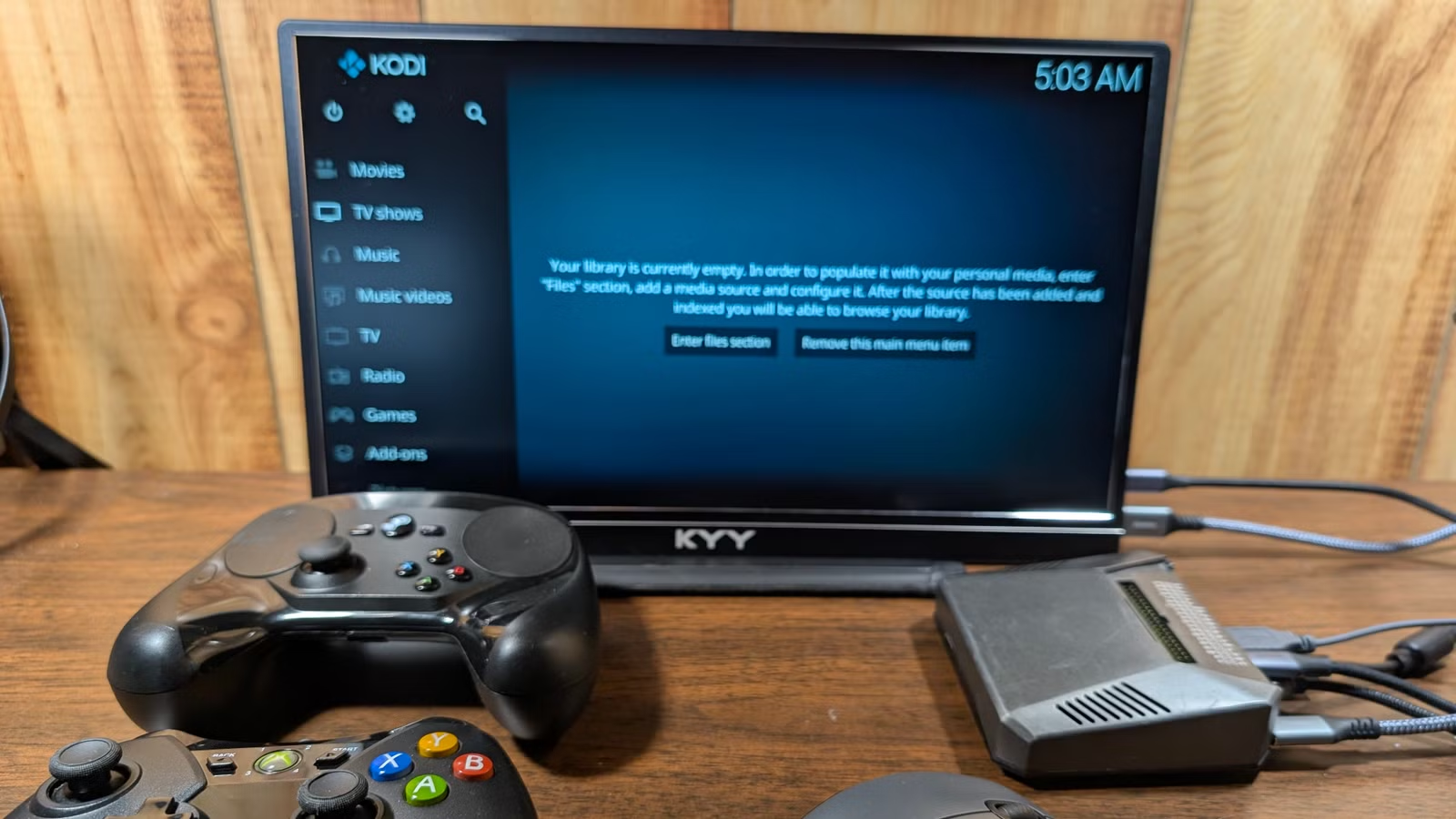
Fortunately, using a Raspberry Pi changes the game. You can install a general-purpose media center operating system like LibreELEC or opt for a retro gaming version such as Batocera. Numerous specialized Linux distributions are available, catering to various specific requirements.
Beyond the operating system, countless applications and services can turn even generic Linux distributions into versatile systems, from routers to car head units. You can even combine functionalities—imagine having a media server on a DIY car entertainment system, so you don’t need music stored on your device. If there’s an app you need that doesn’t currently exist, you could even code it yourself.
Regain Control Over Your Privacy
No Invasive Ads or Tracking
Despite their many features, modern smart TVs come with notable drawbacks. They may display ads on the home screen, inject advertisements into the content, provide sponsored material, and collect viewer data via Automatic Content Recognition (ACR), which tracks what is displayed, sometimes even through HDMI connections.
Most other smart devices have some telemetry, albeit often not as aggressive as that of smart TVs.
However, if your setup is powered by a Raspberry Pi, these concerns may not apply. Many free and open-source applications are ad-free, and Linux-based systems are commonly designed with privacy in mind, reducing or eliminating invasive tracking.
Keep in mind that connecting a Pi to a smart TV does not prevent the TV from tracking you; to fully avoid tracking, ensure that the TV is disconnected from Wi-Fi.
Your Next Upgrade May Be Hidden Away
Many of my personal projects over the years have made use of Raspberry Pis. I have revived old receivers for modern connectivity, created a smart speaker that composes music based on weather conditions, upgraded a conventional dryer to a smart model, and more.
Without the use of a Pi, many of these projects would have been far more expensive or complicated. Nowadays, utilizing tools like Claude or ChatGPT can simplify software development, opening up a world of possibilities. The era of being restricted to manufacturer-specific software is fading.