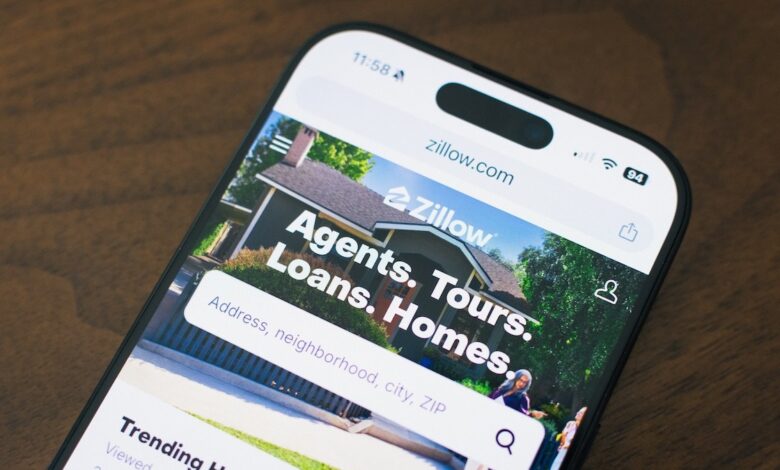
Zillow and Redfin have agreed to a settlement with the Federal Trade Commission (FTC) and five states, concluding a legal dispute over a partnership established in 2025 that was said to stifle competition in the rental listing sector. The resolution was revealed on Monday, just as the case was about to go to trial.
The conflict originated from a deal announced the previous year, in which Redfin committed to feature Zillow’s rental listings on its platforms instead of directly competing for rental advertisers. This agreement could have potentially sidelined Redfin from the rental advertising market for up to nine years. Redfin owns prominent rental listing services like Rent.com and ApartmentGuide.com.
The FTC, along with attorneys general from Arizona, Connecticut, New York, Virginia, and Washington, revealed that Zillow had agreed to pay Redfin $100 million to limit its competition.
The companies justified their partnership as a means to provide renters with a broader selection of listings. However, the FTC argued that Zillow’s financial incentive to one of its key rivals could lead to inflated prices and less favorable conditions for property managers, ultimately diminishing the quality of rental listings available to consumers.
As part of the settlement, Redfin will be required to re-enter the rental advertising market. Additionally, any previous limitations on Redfin’s independent competition for property management clients will be lifted.
The settlement does not fully sever ties between the two companies. Redfin can still present Zillow’s rental listings but will regain the ability to compete for its own clientele. This means Redfin will be able to sell advertising, showcase listings from its own clients, and seek new rental customers without needing to disclose sensitive business information to Zillow.
The Zillow and Redfin case follows closely on the heels of a settlement involving the Department of Justice (DOJ) with Ticketmaster, which also relates to antitrust issues concerning a leading company allegedly using its influence to limit competition. However, 26 of the 30 state attorneys general who initially filed a suit with the DOJ against Live Nation opted to continue pursuing legal action, ultimately winning their case in April.
When you purchase through links in our articles, we may earn a small commission. This doesn’t affect our editorial independence.