Flock Cameras: Beyond License Plate Surveillance, Their Rapid Expansion Raises Concerns

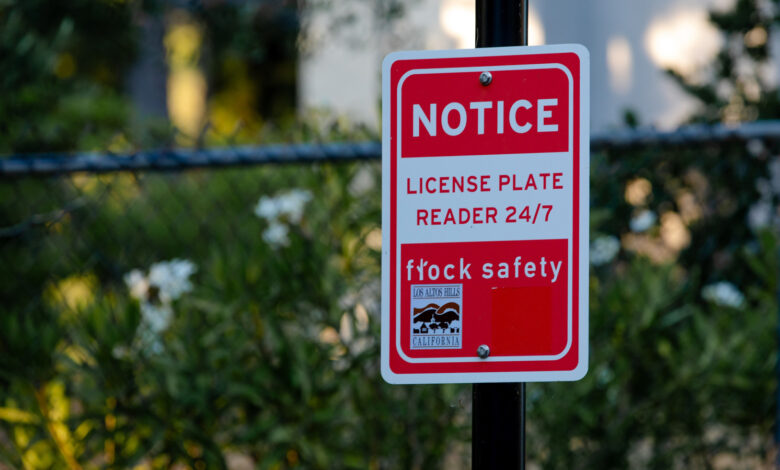
“Your every move is under surveillance; we see it all.”
With the rapid advancement of artificial intelligence, a new form of surveillance technology has seen widespread adoption throughout the U.S. These devices, often dubbed automated license plate readers (ALPRs), are regularly positioned along roadways to track the movements of vehicles passing through their range. While several companies manufacture these devices, Flock Security has emerged as the most notable provider, thus becoming a focal point of public discourse. Not surprisingly, the presence of cameras monitoring everyone—regardless of their legal status—has led to significant public outcry.
While these systems are commonly known as license plate readers, this simplifies their true capabilities. Their main purpose revolves around reading license plates, but they can also monitor various individuals and objects. Law enforcement can even conduct searches for something like “green sedan with an American flag bumper sticker” or “pickup truck with scratches on the left side and a dirt bike in the bed.” Reducing Flock’s ALPRs to mere license plate readers is akin to calling one’s eyes “news article readers” when that is just a temporary use. Moreover, the company markets AI cameras that can track individuals directly.
The criticisms aimed at Flock Safety are abundant: the company has faced numerous security flaws, instances of misuse by police, and artificial intelligence errors that wrongly implicate innocent individuals. Once installed, these cameras are also notably hard to remove. Currently, there are over 100,000 ALPRs operational across the United States, most of which come from Flock.
How Flock Cameras Operate
Smith Collection/gado/Getty Images
The technology behind Flock Security cameras mimics small computers. Operating on a modified Android system, they wirelessly send footage to a cloud-based database, where AI categorizes it for easy accessibility. Flock provides these cameras to municipalities, businesses, and neighborhoods.
Besides ALPRs, Flock also sells AI security cameras, mobile surveillance trailers, and drones aimed at those with questionable intentions. These devices use similar operating principles: users can input details about what they’re searching for, and the system delivers corresponding footage. This distinctive characteristic sets Flock’s AI cameras apart from traditional surveillance systems, which require manual review of footage.
While the Flock network can be confined to specific areas, many local police departments join a broader national network. This means that law enforcement from distant regions, including Texas, can access the footage. Although Flock lacks direct contracts with federal agencies, entities like ICE and other Homeland Security branches often gain access through local collaborations, a practice predating Flock’s entry into the market. The ACLU reported over 1,400 searches made on behalf of ICE in Denver alone.
Despite the extensive surveillance, Flock has been involved in solving crimes, including a murder case and various theft operations, but the downside is the pervasive tracking of innocent individuals.
Security Concerns Surrounding Flock Cameras
Flock maintains that its technology is secure, yet vulnerabilities frequently surface. Many have been uncovered by Benn Jordan, a musician and YouTuber without formal cybersecurity training.
In December 2025, Jordan discovered that more than 70 Flock cameras were publicly accessible online, permitting anyone without a password to view live footage, including scenes of children at parks and private disputes. Many of these cameras belonged to Flock’s Condor series, designed for tracking people rather than vehicles. Jordan documented Flock’s dismissive response to these breaches by recording their words directly from a Condor camera.
This revelation followed his earlier discoveries of other security flaws in November, many of which resulted from simple hacking techniques. With physical access, Jordan and researcher John Gaines managed to exploit a basic button to connect to outdoor cameras, gaining root access and even installing malware. They also found exposed USB ports vulnerable to malicious drives. Jordan’s comprehensive video details numerous findings.
In contrast to many tech firms that encourage responsible reporting of vulnerabilities, Flock has disparaged security researchers by labeling them “activist groups seeking to undermine public safety.”
Misuse of Flock Cameras by Law Enforcement
Matthew G Eddy/Shutterstock
The allure of accessing Flock’s database can lead to misuse by law enforcement. Instances of police stalking and monitoring relationships have surfaced, with some officers exploiting the system to track former partners and acquaintances. Alarmingly, such surveillance often goes unchecked due to minimal regulatory oversight.
Recent reports revealed numerous cases where officers misused the platform to follow the movements of individuals, often only identified after victims checked their data on sites revealing their surveillance history. The reported instances represent merely a fraction of the abuse occurring, as many cases remain hidden. Flock has stated that it identified “15 incidents of abuse,” citing the “transparency and accountability features” of its platform.
Even within Flock, troubling conduct has emerged. A shocking incident revealed employees watching children at a community youth center and even using footage for sales. Flock defended its actions, claiming the employees accessed the footage with city permission and accused critics of being unjust.
Innocent Lives Impacted by Flock Cameras
Kali9/Getty Images
Even without explicit cases of misconduct, Flock cameras cause problems for innocents. In May 2024, Denver introduced 111 Flock cameras throughout the city. The renewal of this contract sparked community protests.
A financial advisor named Chrisanna Elser received an unexpected visit from law enforcement, who accused her of package theft captured by Flock cameras. Upon detailing her case, she managed to produce evidence that cleared her name, leading to dropped charges. Others, however, have not been as fortunate. Drivers have faced wrongful stops due to misinterpretation of license plate characters, living in constant unease due to erroneous alerts generated by these cameras. After numerous public outcries, Denver eventually terminated its agreement with Flock and sought a different provider.
Persistent Contracts with Flock
Max Miller
Given the immense controversies surrounding Flock Safety, one may wonder why municipalities continue to engage with this technology. The reasons are multifaceted, often hinging on local governance dynamics and restrictive contracts.
Although many community members disapprove of the surveillance, particularly marginalized voices who are most affected, they frequently lack influence in local decisions. Flock primarily markets itself to law enforcement agencies. Consequently, police and pro-law enforcement officials may find the extensive reach of AI cameras enticing, even without clear evidence supporting claims of crime deterrence.
In defending his city’s contract with Flock, Denver’s Mayor Johnston cited the cameras’ role in the ongoing investigation of a case involving a local victim. However, this claim has faced scrutiny, with calls for an apology due to its inaccuracy. Moreover, some cities have resorted to unconventional tactics—like hiding cameras in garbage bags—due to the ambiguous nature of contract termination.
To discover whether Flock cameras are present in your area, an open-source tool called DeFlock tracks the spread of ALPR technology.