Edgar Cervantes / Android Authority
Verizon has introduced a groundbreaking low-cost plan named Simplicity, altering the landscape of budget plans typically found among postpaid carriers. This new pricing structure is not merely a scaled-down option but is designed to be the primary entry point for new customers looking to join Verizon.
On their website, the Simplicity plan is prominently displayed at the top of the navigation bar, while the traditional myPlan options are less visible under an “other plans” section. This strategic positioning reflects the increasing demand for streamlined, uncomplicated choices in wireless service as consumers navigate numerous options in 2026.
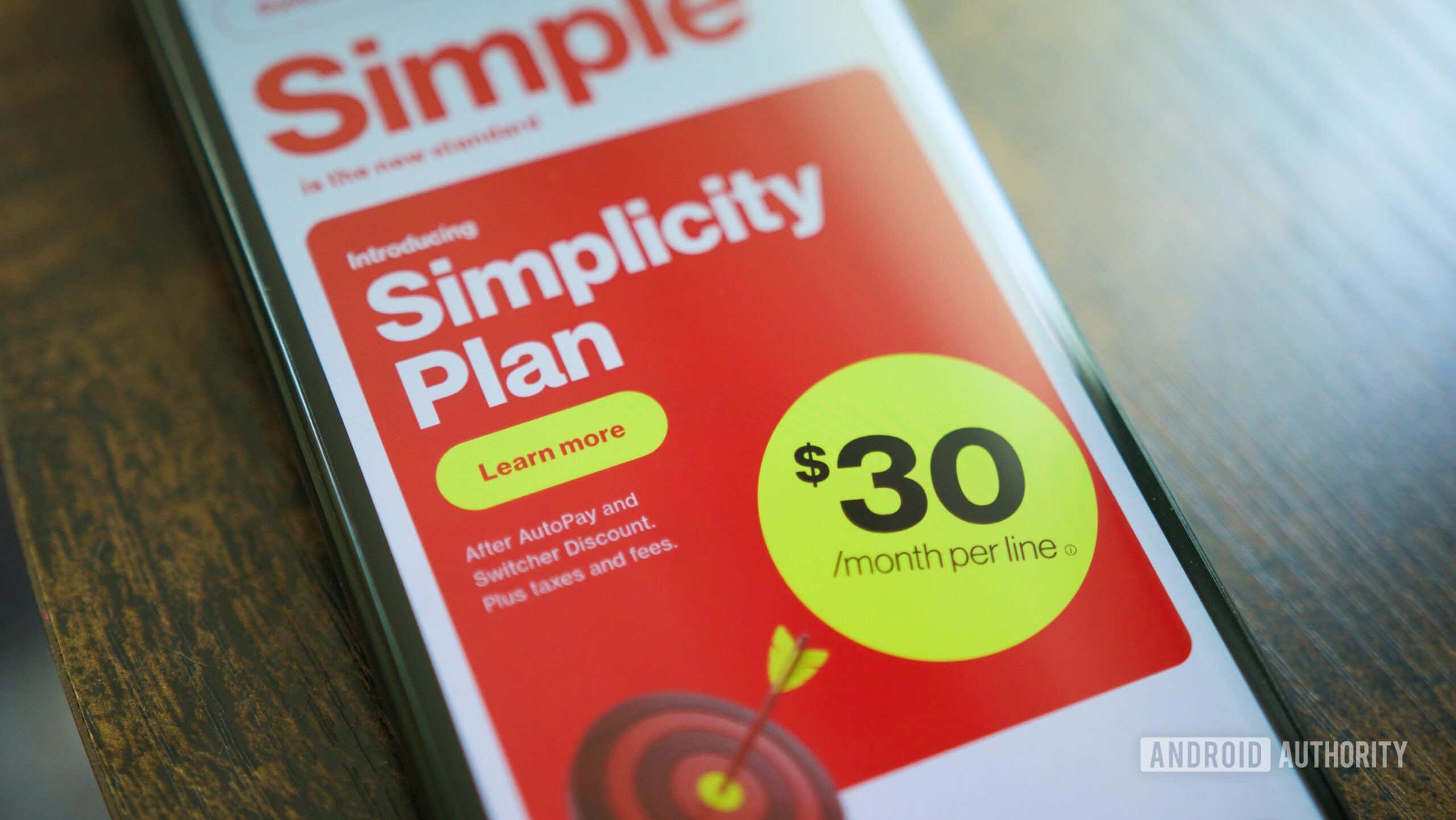
Unlike typical postpaid offerings that showcase multiple plans on the same page with complex pricing, Verizon simplifies the decision-making process by highlighting one plan upfront. Customers will pay a straightforward $30 per line without needing to calculate costs for multiple lines. For those seeking more features, the myPlan remains available but is less emphasized.
Verizon’s simplified approach has tapped into a market eager for clarity and has sparked considerable interest. While the new plan has certain drawbacks, it may mark the beginning of a significant transformation for Verizon that could either help the company recover its status or exacerbate its challenges.
Do you think Verizon’s Simplicity plan could influence the industry?
10 votes
What sets Verizon’s new strategy apart?
Joe Maring / Android Authority
The Simplicity plan tackles a major criticism of postpaid plans: complex pricing and subpar budget options. Starting at $30 per line, it offers nearly unlimited access to Verizon’s prime network alongside hotspot capabilities, providing a feel of value that contrasts with the previous Unlimited Welcome plan.
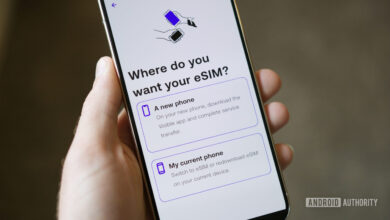
However, a closer examination reveals complexities within Verizon’s approach. While enticed by the low pricing, customers wanting to switch from a prepaid service must port a line or provide a bill, while existing subscribers will incur a monthly fee of $45 plus taxes. In many cases, families might find better deals with myPlan Plus.
Additional notable points about Verizon’s Simplicity include:
- Discontinuation of the old phone subsidy model. Customers who switch to the Simplicity plan will lose access to previous free phone credits and promotions, requiring either a personal device or enrollment in an installment plan.
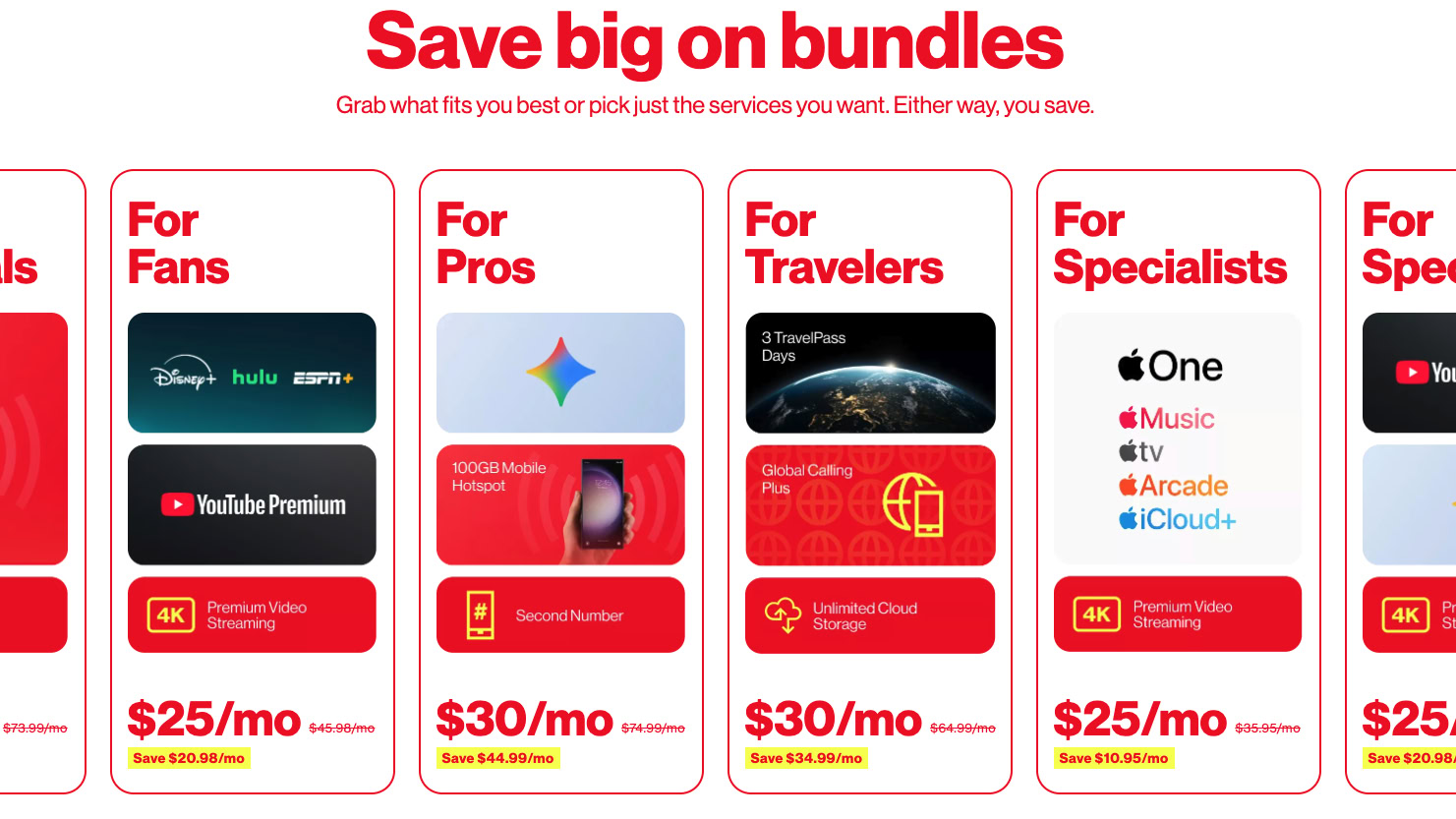
- Phone offers available through membership. The Simplicity Plus and Simplicity Pro plans, priced at $35 and $55 more per month, respectively, offer a monthly credit toward a new phone and allow one annual switch. However, this means subscribers are effectively committing to ongoing installment payments.
- Video resolution limit at 720p is part of the standard plan. For those desiring higher resolution, a $10 upgrade is needed. Features such as visual voicemail and discounted home internet services are part of the additional offerings available through Plus and Pro tiers, along with various streaming bundle options.
The changes mark a significant shift for Verizon, particularly in the context of phone subsidies and billing structures. This revision is reminiscent of the changes spearheaded by T-Mobile during its Un-Carrier initiative. The strategy aims to attract customers with clear pricing while using upgrades to address any potential service gaps.
myPlan will still be available, albeit in a more concealed manner. It retains its enticing aspects such as subsidized phone pricing and other perks and is set to incorporate a new loyalty program as part of Verizon’s overall strategy.
All Verizon subscribers, irrespective of their chosen plan, can access the new loyalty program, which includes gamified elements similar to T-Mobile’s offerings. Benefits include waived activation and upgrade fees upon free sign-up and a 3% cashback in Verizon dollars applicable towards gift cards and other rewards.
This fresh approach facilitates onboarding for new customers and features a diverse price range appealing to both postpaid customers and those leaning towards prepaid options, as well as those desiring premium offerings like myPlan Unlimited Ultimate.
What could the future hold for Verizon, and will other companies follow suit?
Edgar Cervantes / Android Authority
With Simplicity serving as the new standard for customer acquisition, it’s plausible that this strategy might eventually phase out the entire myPlan lineup. The success of the Simplicity plan will be crucial in determining its future.
As for upgrades, the features unique to myPlan may eventually become optional for an additional charge. The subscription model could also supplant traditional installment payments, but this depends on consumer acceptance.
If successful, Verizon’s new strategy could reshape the entire industry.
Verizon’s strategy isn’t being developed in isolation. Typically, when one carrier innovates, others tend to follow suit. If Simplicity proves effective, it’s likely that T-Mobile and AT&T will explore similar simplified plans and policy adjustments.
This is a risky undertaking for Verizon. However, the signs suggest it could succeed. The bigger question remains whether this will yield beneficial or detrimental effects on the industry if other major carriers adopt these trends.
Personally, I find great potential in Verizon’s approach but have reservations about its upgrade mechanics. The subscription model feels like a tactic to maintain long-term customer retention, benefiting carriers while possibly disadvantaging users.
Thank you for being part of our community. Please adhere to our Comment Policy before engaging.