Yulu Secures $93 Million Boost Amid Rapid Growth in Quick-Commerce and E-Bike Demand in India

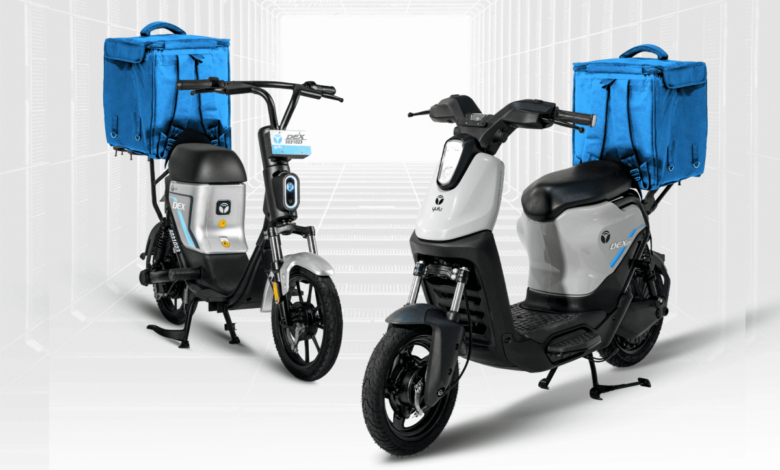
With the rapid growth of quick-commerce services delivering everything from groceries to electronics, Yulu, an electric mobility startup, has successfully secured $93 million in new funding.
Based in Bengaluru, Yulu provides electric scooters through weekly subscription models, enabling delivery drivers to enter the gig economy without needing to invest in their own vehicles. The startup boasts a fleet of around 50,000 vehicles, accumulating approximately 1.6 million zero-emission miles weekly and facilitating over 750,000 deliveries each day. This recent funding will allow Yulu to expand its fleet to 200,000 bikes in the next two years and introduce faster electric scooters for a variety of logistics applications.
The Series C funding round included $63 million in equity led by GEF Capital Partners, along with $30 million in debt financing. Co-founder and CEO Amit Gupta revealed in an interview that about $5.5 million of the equity was allocated to buy shares from seed investors as their investment period was nearing its conclusion.
According to sources, the funding round valued Yulu at roughly $170 million after the investment. Gupta chose not to comment on the valuation but did not dispute the reported figure.
Previous investors Bajaj Auto and Magna International opted out of this funding round, allowing GEF to secure its desired stake. Gupta indicated that this funding round will likely be the last equity raise for Yulu before an eventual public offering, with future fleet growth anticipated to rely primarily on debt and lease financing.
The company aims to achieve profitability before interest and taxes next year, having already reported a positive EBITDA last financial year. Gupta mentioned that the startup’s revenue has expanded seven-fold between fiscal years 2023 and 2026, although specific figures were not disclosed.
The Shift During COVID
Initially launched as a bike-sharing service for urban commuters in 2017, Yulu discovered significant growth potential during the COVID-19 pandemic as demand for food and grocery deliveries surged.
Today, Gupta revealed that around 95% of Yulu’s revenue is generated from renting electric bikes to gig workers on weekly subscriptions, while the remainder comes from its station-based rental service in Bengaluru. The startup has also decided against selling bikes directly to consumers.
To propel its next phase of growth, Yulu is set to launch a new high-speed electric scooter called Yulu Express. This model is intended for long-distance e-commerce deliveries, bike taxi services, and express parcel deliveries—areas previously not serviced by their slower fleet.
Gupta noted that around one-third of the planned 200,000-vehicle fleet will consist of this new model.
While the existing fleet is manufactured by Bajaj Auto, the upcoming high-speed scooter will be produced by a different, undisclosed manufacturer.
Currently, approximately 500 of these new scooters are operational in Bengaluru, with trials also happening in three other cities, Gupta stated.
Yulu is active in 12 Indian cities, directly managing its operations in Bengaluru, Mumbai, Delhi-NCR, and Hyderabad, while collaborating with franchisees in eight more locations. Gupta expressed the goal of expanding to around 20 cities within the next year, targeting Chennai and Pune for growth.
Gupta emphasized that Yulu collaborates with numerous leading quick-commerce, food delivery, and e-commerce platforms, including Amazon and Flipkart. However, the primary customers are the gig workers renting the bikes, not the platforms themselves. He likened Yulu’s model to that of “the AWS of mobility,” providing the necessary infrastructure that enables delivery workers to operate independently of platform commissions.