Why the Honda CR-V Surpassed the Ford F-150 in Sales for the First Time in 44 Years: Three Compelling Factors

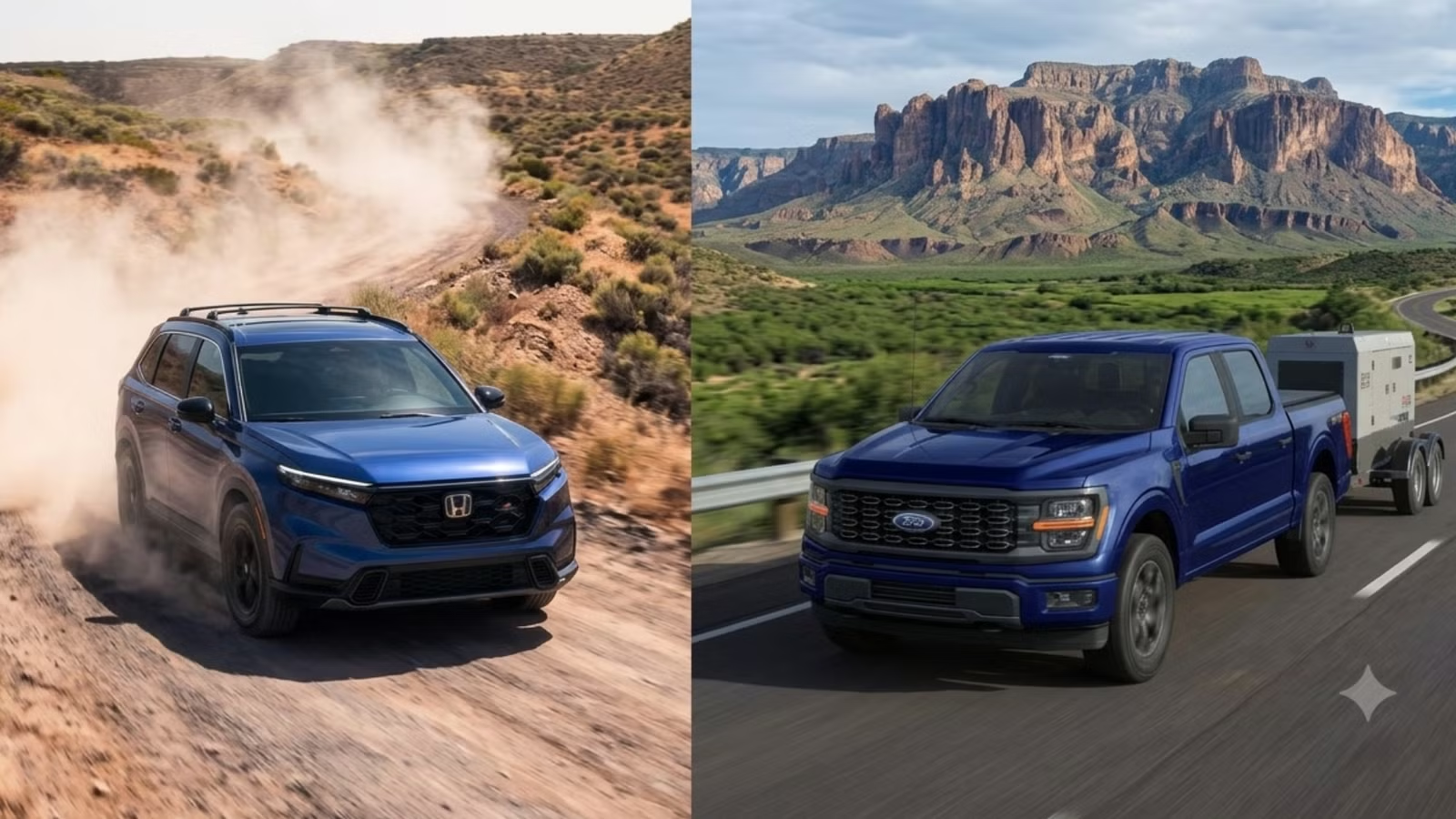
According to Ford, the F-Series lineup, which includes the F-150 and extends to the heavy-duty F-600, has held the title of the best-selling vehicle in the U.S. for an impressive 44 years. However, when examining the F-150 separately—as highlighted by Jato Dynamics and Automotive News—this record has seen interruptions. The F-150 was overtaken in 2009 by the Toyota Camry and again in 2024 by the Toyota RAV4.
As of mid-2026, the F-150 faced more competition, this time from the Honda CR-V.
Data from Automotive News indicates that the Honda CR-V emerged as the leading light-duty vehicle in the U.S. during the first half of 2026, with 226,114 units sold by June. Meanwhile, the F-150 recorded sales of 209,311, followed by the Chevrolet Silverado 1500 at 194,807, according to GlobalData. The RAV4 dropped to fourth place, with sales dropping 36% to 153,955 units.
At this point in 2026, the Honda CR-V has edged out the F-150, a feat achieved through a blend of effective pricing strategies, marketing efforts, and responses to supply chain challenges.
High Vehicle Prices Driving Change
Popular Demand for Affordable Vehicles
The average price for a new vehicle currently hovers around $50,000, a record high in the automotive industry. This shift has made owning a vehicle a significant financial commitment, even for those with high incomes.
While the F-150 lineup includes models priced under the national average—such as the XL, STX, and XLT—fully-loaded versions can quickly inflate in cost. In contrast, the base model of the 2026 Honda CR-V begins at $30,920, with even the top-tier Sport Touring Hybrid staying below the average price at $42,550.
Compared to full-size trucks, the CR-V presents a more budget-friendly option, offering both better fuel efficiency and cargo space, making it appealing for families. Additionally, many buyers are opting for extended financing terms, such as 72 or 84 months, making it easier to afford vehicles like the CR-V over larger pickups like the F-150.
Supply Chain Woes Affecting Ford
Aluminum Shortages Impact Production
The F-150’s drop in sales can be attributed not only to buyer preferences but also to production capabilities. Ford faced significant challenges due to two fires at Novelis’s aluminum plant in New York, severely disrupting their supply chain. The facility, critical for producing aluminum for the F-150, was offline for several months, costing Ford an estimated $2 billion.
As the plant resumes normal production, the inventory issues that plagued Ford throughout spring are expected to ease. In contrast, Honda managed to produce its CR-V at full capacity, ensuring dealer lots remained stocked while Ford and Toyota struggled with supply.
Strategic Pricing Boosts CR-V Sales
Competitive Market Strategies
Honda’s strategic pricing for the CR-V has been instrumental in its success, with the vehicle selling at approximately 3% below its MSRP, resulting in savings of about $1,300 on average. Furthermore, Honda offered attractive financing options with low APRs and cash incentives for eligible customers.
This contrasts sharply with Ford’s inability to offer discounts on the F-150 due to inventory shortages caused by the aluminum supply issues.
Future Sales Projections
While there is potential for Honda to maintain its lead in sales throughout 2026, conditions may soon change as Ford returns to normal production levels. With Toyota also ramping up output for the RAV4, the competitive landscape for America’s best-selling vehicles is sure to evolve. Regardless of the final sales figures for 2026, the Honda CR-V remains a standout option in the SUV market.