Megan Ellis
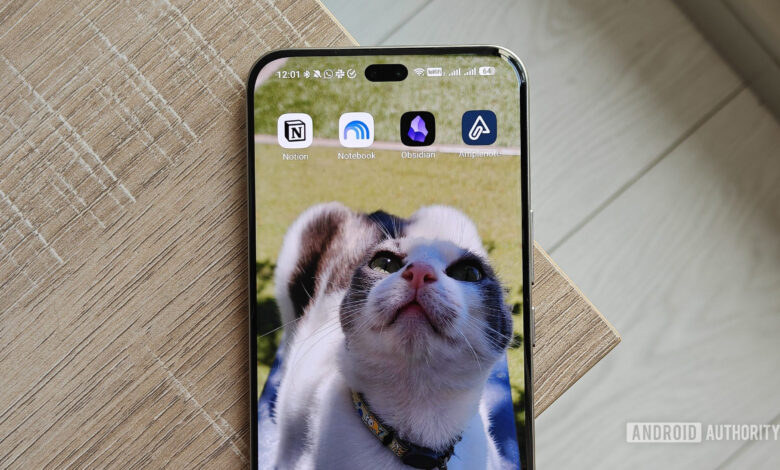
As I explored productivity applications, I found myself drawn to “second brain” tools like Notion and Obsidian, which were marketed as a transformative solution. These applications offer extensive features designed to help create a cohesive personal knowledge management system where all thoughts, tasks, and ideas could be centrally stored and easily searched.
However, I discovered that they didn’t enhance my productivity. Switching between Notion, Obsidian, Tana, Anytype, NotebookLM (now Gemini Notebook), Logseq, and others, I noticed a decline in my productivity instead of the promised boost.
Do “second brain” apps work for you?
3 votes
Common Issues with “Second Brain” Apps

Megan Ellis
While second brain apps can assist in organizing information, many users face challenges in setting them up effectively. Adapting to their various workflows and features often requires a significant time investment.
Starting fresh in Notion, for instance, can feel overwhelming due to its range of unfamiliar features. Though templates can simplify this process, users often find their workspace cluttered with elements they don’t fully understand. Additionally, Notion currently lacks an offline mode, making mobile use frustrating.
Similarly, while Obsidian offers a blank slate to begin with, those unacquainted with Markdown will find it challenging to jot down notes efficiently. Although plugins can provide some flexibility, community-driven add-ons may not always be maintained, leaving users with unresolved bugs. I found myself repeatedly attempting to engage with the software, but its rigid structure deterred me.
Setting up a second brain app requires a considerable amount of time—a luxury that not everyone possesses.
I also experimented with Gemini Notebook for various tasks, inspired by others who adapted it for similar purposes. Although it excelled in topics that required rapid learning or creation of explainers, it ultimately didn’t serve as an effective productivity tool for me.
After trying numerous applications, I recognized a recurring issue: the onboarding process felt equivalent to taking on a second job. Despite spending much time on each tool, I struggled to integrate them into my workflow, leaving me with a sense of wasted efforts.
Challenges of Using These Apps

Tushar Mehta
Every attempt to modify my workflow to suit these applications felt like forcing a mismatch. This created significant frustration and ultimately led to abandoning these tools altogether.
Factors like ADHD and autism complicate my ability to manage memory, switch tasks, and handle routine changes. I need to capture thoughts quickly. Otherwise, they can slip away. Regrettably, many clever ideas went unrecorded over the years.
I often forget my tasks between switching apps or browser tabs, leaving important notes lost beneath layers of menus. If a feature is hidden behind a convoluted navigation system, my engagement wanes. Even after learning how to navigate these apps, I frequently had to recheck processes that became muddled over time.
While my neurodivergent traits may intensify my frustration, other users often voice comparable experiences.
Others have commented on the steep learning curves associated with various productivity tools, highlighting the necessity for dedicated tutorials and resources.
Many of these apps also come with limitations that transform their number of features into burdens. Users have expressed dissatisfaction with Gemini Notebook’s Android version, along with the poor user experience in viewing sources within the app. Additionally, Obsidian requires a paid subscription for cross-device synchronization, whereas Notion complicates offline use with the need to toggle settings for individual documents.
What Actually Worked for Me
Megan Ellis
Given my struggles with second brain apps, I discovered that smaller, specialized applications with streamlined features improved my productivity. I also found innovative ways to leverage existing tools for better results.
For instance, I redefined my approach to Gemini Notebook, using it not as a productivity center but as a quick reference for specific subjects, like garden care or managing feline kidney disease. The summaries and resources it provides offer invaluable quick insights.
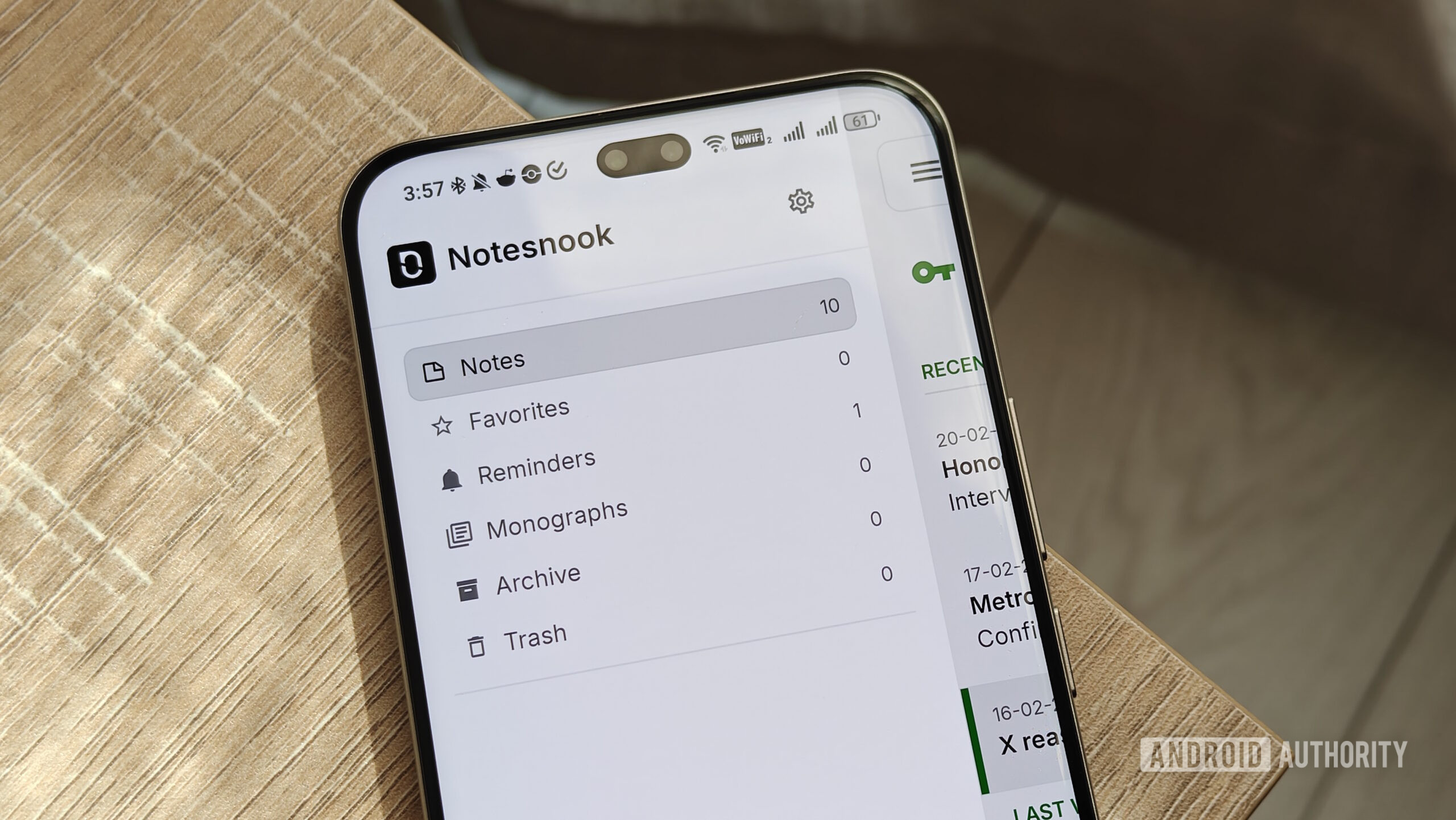
For note-taking, I sought a balanced option. While Google Keep felt overly simplistic, both Notion and Obsidian were too intricate. I ultimately found joy in Notesnook, thanks to its blend of features and cross-platform syncing abilities. Its offline functionality has proven invaluable when working remotely, such as on flights. The ability to attach documents and images is particularly useful for tracking medication updates and drafts, while its straightforward interface helps minimize distractions during quick note-taking.
Using simpler applications, instead of an overly complex central tool, has significantly enhanced my productivity.
I began decentralizing my reminders to lessen the overwhelm caused by complex interfaces and multiple notifications in second brain apps. Flooded with alerts, I found myself paralyzed by choices. Now, I’ve successfully organized my primary tasks in TickTick while setting chore notifications in Donetick. This approach has led to a noticeable increase in my productivity.
If you too find second brain applications ineffective, consider changing your strategy. Opting for simpler tools could improve your situation greatly. Sometimes, a collection of specialized apps works far better than an all-encompassing solution. For free productivity tools, Notesnook and TickTick are among my top suggestions.
Thank you for being part of our community. Read our Comment Policy before posting.