OpenAI’s Inaugural Gadget Set to Be a Rechargeable Speaker with Human-Like Features

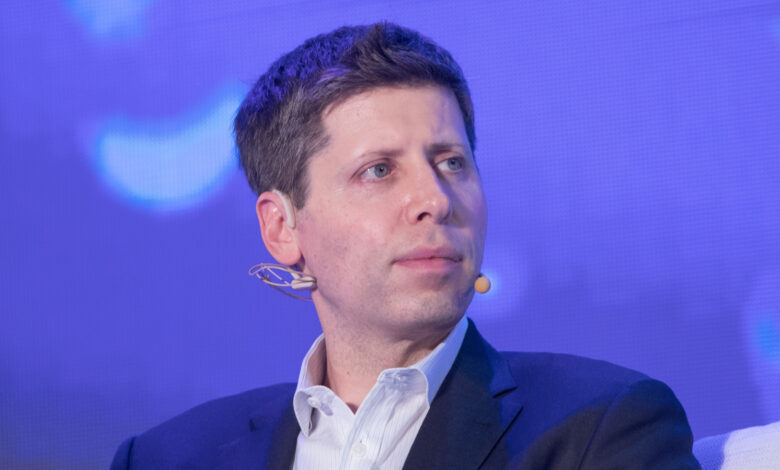
The device will utilize an enhanced version of the technology behind ChatGPT’s latest voice function, as reported by Bloomberg.
Reports have consistently suggested that OpenAI will soon introduce its first hardware product: an AI-powered speaker. According to a recent Bloomberg article, this device will be rechargeable and portable, allowing users to easily move it from room to room. For example, you could bring it to the kitchen for cooking assistance and then return it to the living room or bedroom afterward. The speaker aims to function as a “humanlike AI companion,” capable of engaging in natural dialogue similar to ChatGPT, while also managing smart home devices and playing music.
Though the speaker will lack a screen, Bloomberg indicates that it will feature movable mechanical parts designed to create the impression of being “alive,” rather than simply responding to commands. OpenAI envisions this speaker as a tangible representation of ChatGPT, emphasizing a realistic companionship experience rather than just another smart speaker. It will employ a more sophisticated version of GPT-Live, the technology that powers the new voice mode of ChatGPT, allowing it to listen and communicate simultaneously while seamlessly integrating new information during conversations. Additionally, the device will include a camera and various sensors to capture contextual information about its environment, enhancing its ability to deliver personalized responses.
In a significant move, OpenAI purchased the design startup io, founded by former Apple designer Jony Ive, for $6.5 billion in 2025 to facilitate the speaker’s development. The launch is expected in 2027, although delays may occur due to ongoing legal issues, as Apple has sought a court order against OpenAI’s hardware initiatives. Recently, Apple initiated a lawsuit alleging trade secret theft involving OpenAI and two of its ex-employees, also implicating Ive’s io in the matter.
Apple accused former employees Chang Liu and Tang Yew Tan of downloading numerous confidential files related to hardware specifications and proprietary information for unannounced products. Furthermore, Apple claimed OpenAI had modified its hiring practices to extract additional confidential details from the company. OpenAI has reportedly brought onboard over 400 of Apple’s former staff, including Paul Meade, a key figure in the Vision Pro headset’s development, who now heads OpenAI’s hardware division.