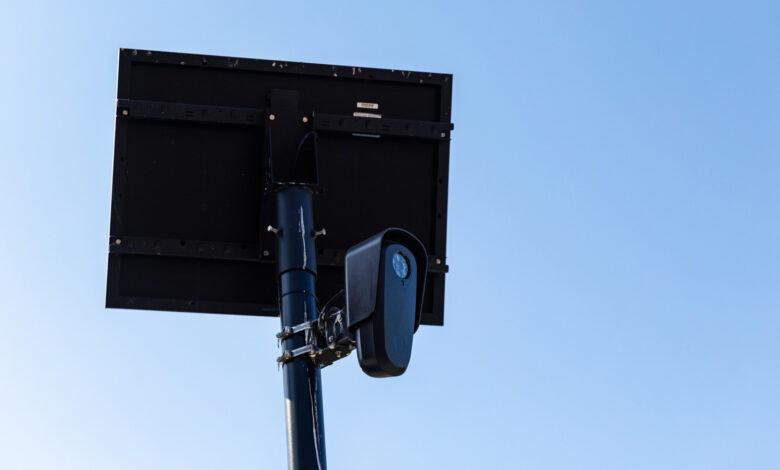
The Florida Department of Transportation has enacted a ban on the use of license plate readers by law enforcement on state highways, as outlined in a memo from Chief Operating Officer Will Watts. This move marks a significant response to the increasing concerns surrounding automatic license plate reader (ALPR) technologies, particularly those operated by companies like Flock Safety, and reflects a broader trend beyond Florida.
According to the memo, “While Florida law permits law enforcement agencies to use LPR systems, the recent rapid proliferation of these devices on state roads, combined with troubling reports of misuse and privacy issues, necessitates immediate action to protect the rights and quality of life of Floridians.”
As per the directive, all permits for license plate readers will be revoked immediately, and police must remove existing units from state roads within 30 days of August 31. Furthermore, the Department of Transportation plans to halt the approval of any future requests for LPR systems under its jurisdiction.
This license plate reader ban comes at the direction of Governor Ron DeSantis, who emphasized in August 2026 the need to rein in the excessive use of this technology throughout the state. The removal of these cameras from state roads aims to tackle the issue, although DeSantis pointed out that revising DOT regulations does not affect the 98 percent of ALPRs located on local streets and private areas. Law enforcement in both Jacksonville and Okaloosa County has also agreed to dismantle their ALPR systems. Addressing the remaining license plate readers in the state will likely require increased public advocacy or new legislative measures.
ALPR technology has existed for years, often spotted capturing images at traffic lights or monitoring toll booths. State law enforcement agencies utilize these tools for various purposes, such as locating stolen vehicles or assisting in missing person investigations. For instance, just over a week prior to Florida’s ban, ALPRs were instrumental in the apprehension of a murder suspect who fled to West Virginia.
Flock, the ALPR provider under significant scrutiny in 2026, touts several instances on its website where their cameras have assisted in non-policing scenarios, like helping firefighters assess a fire before arriving on the scene. However, public concerns typically center around the concept of pervasive surveillance and the documented misuse of Flock’s equipment. In response, the company has implemented software updates aimed at limiting footage retention, yet persistent public dissent and incidents of vandalism against license plate readers are pushing regulators toward action.
Besides Florida’s initiative, the Los Angeles Police Department suspended its contract with Flock in July. Furthermore, in early August, two counties in Ohio paused their usage of Flock cameras following allegations of misuse. In Texas, Governor Greg Abbott even halted funding for state agencies seeking to procure Flock equipment. While these measures predominantly target Flock itself rather than the broader application of license plate readers, they indicate a growing openness to re-evaluating public safety strategies.