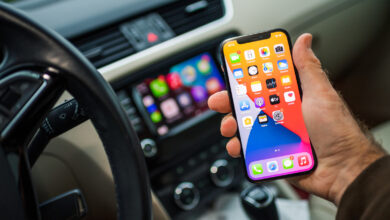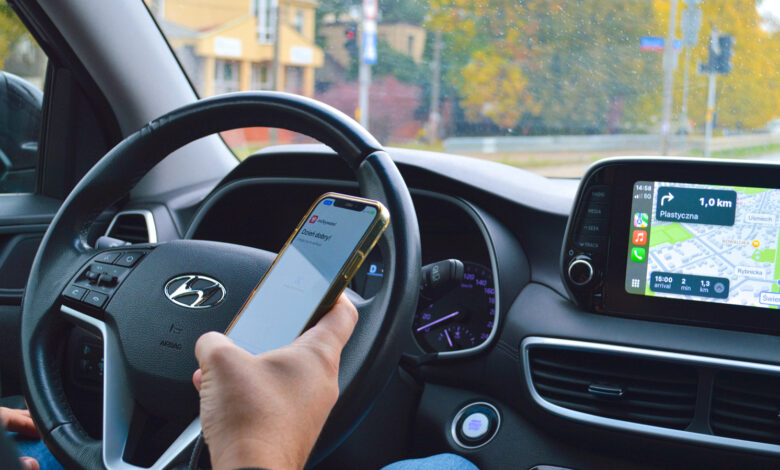
An overheated phone poses a serious risk, including potential explosions.
After a long drive, if you find your phone too hot to handle, you might be concerned about its safety. Overheating can seriously damage internal components and may even cause the adhesive on the screen to weaken. In extreme cases, it could lead to thermal runaway, where the battery overheats to the point of a harmful reaction or explosion—something often referred to as battery swelling.
Cars are essentially metal boxes that trap heat. When the temperature rises, so does the discomfort for your smartphone. To address overheating, understanding how these devices generate and dissipate heat is crucial. Here are some effective methods to reduce the risk of your phone overheating.
Prevention strategies can be categorized as either external or internal. The former cools the phone’s exterior while the latter minimizes the heat produced within the device. Some suggestions might seem obvious; however, others might surprise you. Here are key points to consider.
External Cooling Techniques

To alleviate heat build-up around your phone while driving, consider altering its environment. A common mistake is placing the phone in direct sunlight, especially on the dashboard, which can quickly heat both the phone and the mounting area. If using a mount for navigation, it’s wise to avoid charging the device simultaneously. Positioning it near an air vent can help dissipate heat, emulating a cooling fan. Just ensure not to cool it too quickly, as this can lead to condensation inside the phone.
Many smartphones are kept in cases that can trap heat. Removing the case while driving may help prevent overheating. Additionally, avoid leaving your phone in the car for extended periods to prevent it from becoming excessively warm, which also helps deter theft.
Adjusting Usage Habits to Maintain Device Temperature
Your phone generates heat on its own, and it can overheat if it cannot shed that heat efficiently. Most modern devices have built-in cooling systems, but they might not suffice in hot conditions. Reducing the heat produced by your phone during use is essential for preventing overheating.
Avoid charging your phone while in the car; this is a common pitfall, particularly with wireless mounts. Charging increases heat generation, especially with wireless charging, which is less energy-efficient. The combined heat from charging and the dashboard can lead to overheating.
The best approach might be to limit phone usage while driving. However, for many, this isn’t practical. Instead, minimize on-screen navigation during familiar trips and keep screen brightness low. Additionally, deactivate features like Wi-Fi when not needed and avoid resource-heavy tasks, like gaming or video editing, while driving.
If your device does overheat, prioritize turning it off and moving it away from direct sunlight.