The idea of resurrecting extinct species, once a concept seen only in science fiction, is now the focus of a billion-dollar startup. Breakthroughs in artificial intelligence, genetics, and computational biology are shifting the possibilities in conservation science, which prompts critical questions that extend beyond the confines of laboratories. If technology can indeed assist in reviving extinct species, should it be pursued? And what ethical implications does this raise for the future of biodiversity?
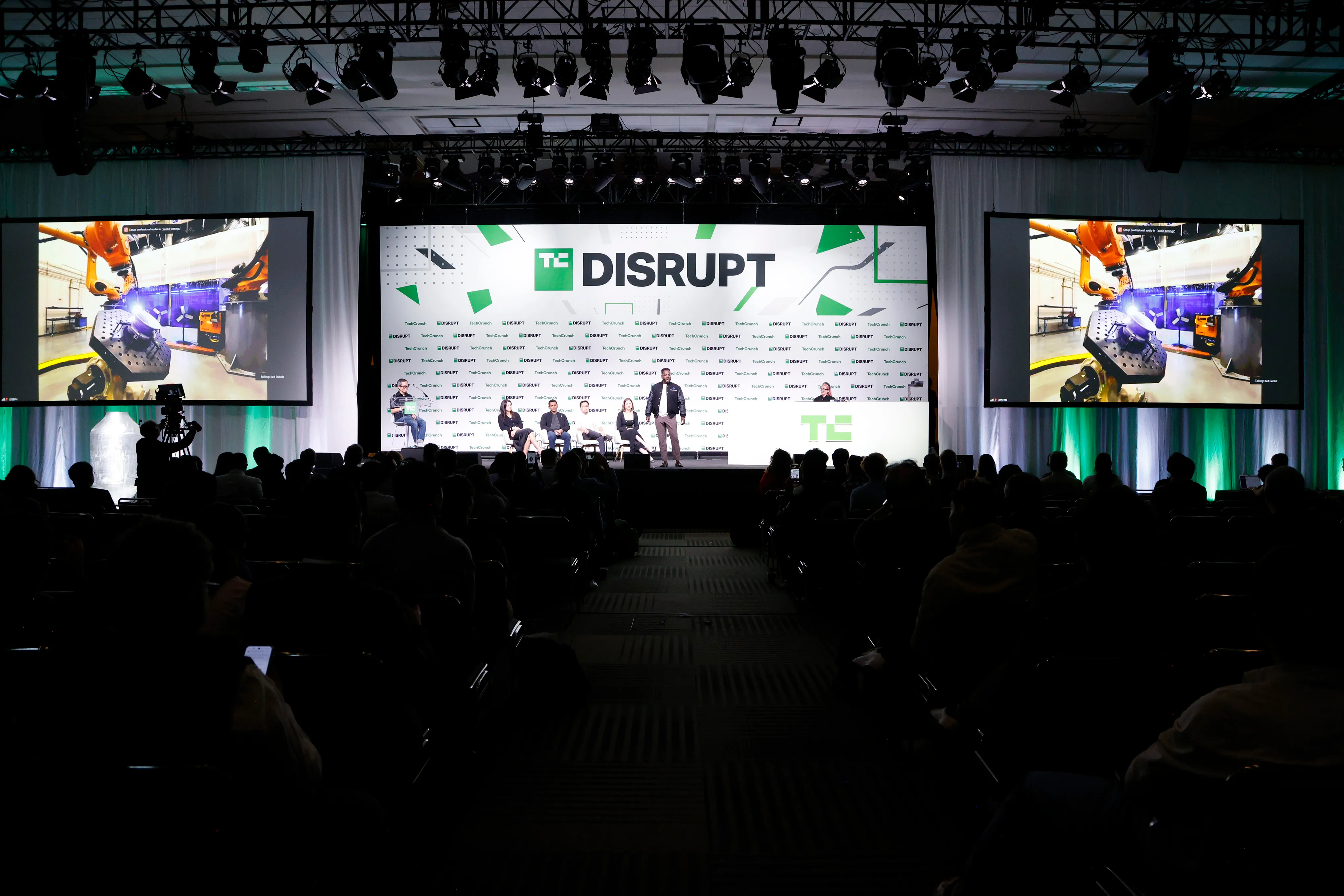
These pressing questions will be discussed in “Can We Engineer Nature’s Comeback?”, a featured conversation set to take place at TechCrunch Disrupt 2026.
Participating in this dialogue will be Ben Lamm, the Co-Founder and CEO of Colossal Biosciences, a leader in efforts to revive extinct species through innovative techniques in synthetic biology and AI. The conversation will delve into the technological innovations driving de-extinction efforts, the integrating role of AI in contemporary biological research, and the increasingly prominent discourse regarding whether engineering nature marks a conservation milestone or distracts us from preserving existing ecosystems.
Disrupt returns to Moscone West in San Francisco from October 13 to 15, aiming to align over 10,000 founders, investors, and industry operators across more than 250 sessions centered on the technologies and market dynamics shaping the future. Don’t miss one of the most thought-provoking discussions of the year.
The Intersection of AI and Biology
Artificial intelligence is already transforming fields like software development, robotics, and scientific inquiry. Biology appears to be its next frontier. AI is being employed to scrutinize genetic datasets, model biological frameworks, and speed up discoveries. Companies such as Colossal Biosciences are extending these advancements, utilizing AI alongside synthetic biology to explore topics that were once relegated to the realm of science fiction.
This session will investigate the convergence of these innovative technologies, examining the implications when AI transcends digital realms to influence natural ecosystems. Founders focused at the crossroads of deep technology, life sciences, and AI will find valuable insights on how a leading company is grappling with challenges that few other organizations have dared to tackle.
Check out the Real World AI Stage lineup and seize the opportunity to register for Disrupt today.
A Founding Visionary at the Forefront
Ben Lamm has dedicated over twenty years to developing enterprises at the intersection of AI and burgeoning technologies. As a serial entrepreneur, he has established firms aimed at tackling intricate problems — encompassing enterprise AI to conversational systems. Prior to Colossal Biosciences, he launched several trailblazing tech companies, including Hypergiant, Conversable, and Chaotic Moon, which were subsequently acquired by major industry players.
Currently, Lamm is channeling that entrepreneurial spirit into a new challenge: leveraging AI and synthetic biology to investigate de-extinction as a tool for conservation. This initiative has placed Colossal in the spotlight, sparking both admiration and controversy within the realms of science and technology. As CEO, Lamm finds himself at the heart of discussions about biodiversity, climate resilience, and the ethical considerations tied to manipulating living systems.
His journey provides founders with an exceptional perspective on what transpires when groundbreaking technology challenges conventional notions of possibility.
Join the discussion with one of the tech industry’s most innovative leaders.
A Broader Dialogue Beyond De-Extinction at Disrupt 2026
While the revival of extinct species garners significant attention, broader implications and questions may have even greater relevance. As AI increasingly becomes integral to scientific exploration, topics concerning its application expand into medicine, biology, conservation, and climate studies. These advancements not only unveil exciting new possibilities but also pose challenging dilemmas regarding the appropriate use of such transformative tools.
Whether regarded as a scientific advancement, a conservation strategy, or a contentious experiment, the discussion surrounding de-extinction transcends individual species. It raises critical questions about the role of emerging technologies in addressing some of the world’s most pressing challenges and highlights who gets the authority to make these monumental decisions.
Secure your pass to Disrupt to access up to $200 in savings and take part in the conversation about the intersection of AI, biology, and innovation.