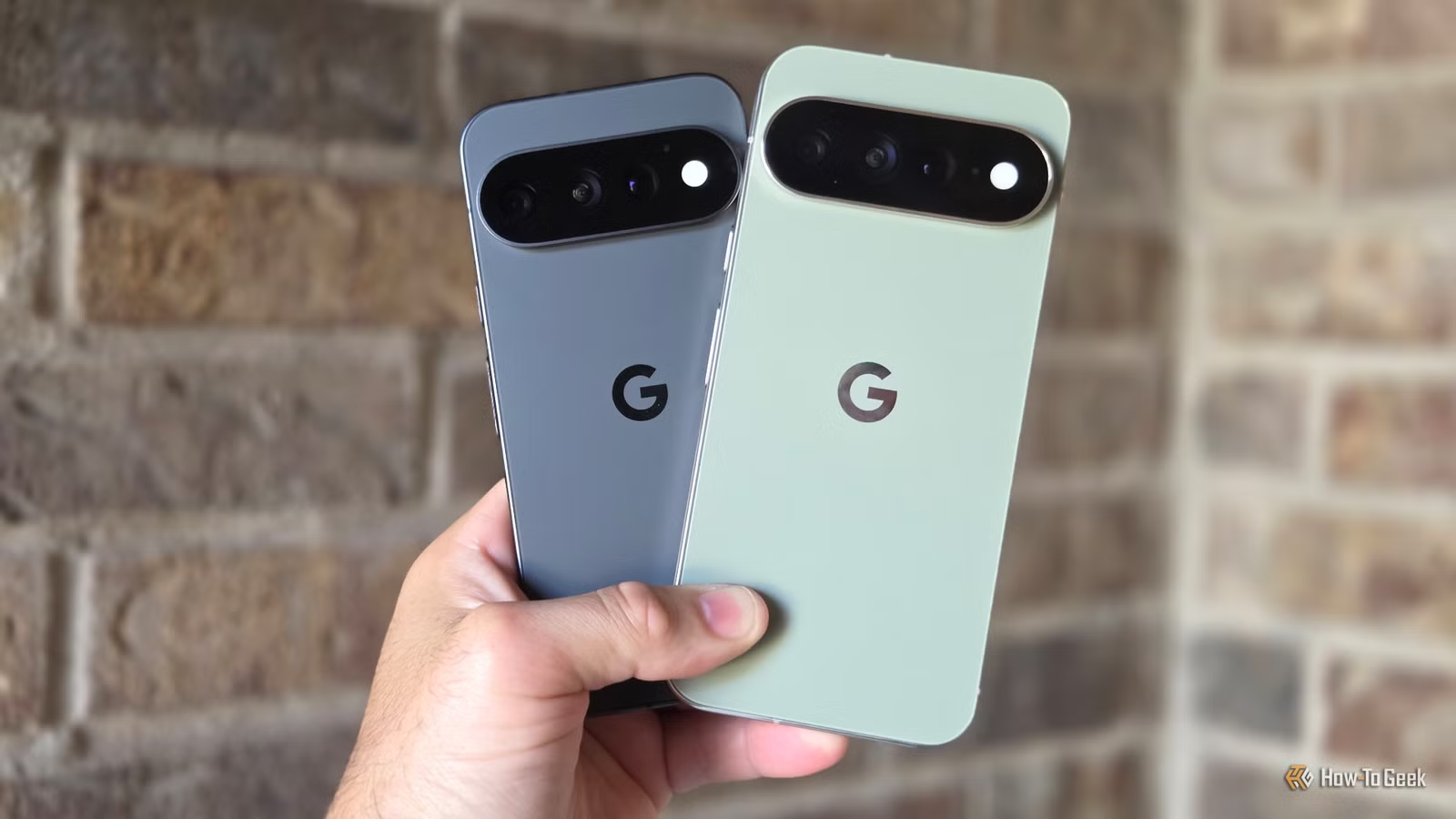
The first Google Pixel smartphone debuted a decade ago, specifically on October 20, 2016, aiming to enhance the Android experience through Google’s proprietary hardware and software. This launch marked the end of the Nexus series and initiated a phase where Google began competing against its own partners in the smartphone and tablet market.
Over the past ten years, the impact of the Pixel series on Android is multifaceted. While Google has sometimes driven innovation in the mobile industry with the Pixel line, there have been several missteps that have prevented these devices from fully flourishing.
Early Days: A Blend of Promise and Pitfalls
The Struggle with Gimmicks
The inaugural Pixel model set a standard with high-quality cameras, a unique design, seamless integration of Google services like Google Assistant, and features such as live tech support. Despite not drastically changing the mobile ecosystem (with fewer than 2 million units sold in its first quarter), it showed the potential of aligning Android with quality hardware.
However, subsequent models experienced varying degrees of success. The Pixel 2 became immensely popular due to its photography capabilities, but it faced criticism for eliminating the headphone jack and introducing the controversial squeeze feature for activating Google Assistant. The Pixel 3 improved upon its predecessors with significant camera enhancements, like the Night Sight feature, along with the introduction of cost-effective A-series alternatives.
The Pixel 4 introduced mixed reactions. While it featured some advancements, its radar-based Motion Sense functions felt more gimmicky: face unlocking was useful, yet gestures were quickly seen as impractical. The Pixel 4a gained favor for its affordability, but battery safety concerns later required Google to restrict its capacity.
The Pixel 5 performed reasonably well but was a mid-tier model, eliciting worries that Google might be becoming complacent and ceding ground to competitors like Samsung.
Mid-Years: Finding a Rhythm
Design and Innovation Take Center Stage
The Pixel 6 marked a turning point, introducing a substantial redesign, a new in-house Tensor processor, and exclusive functionalities like Magic Erase for photo editing. While some drawbacks persisted, like a sluggish fingerprint reader, it showcased a renewed commitment to five years of OS updates, setting a benchmark for other Android manufacturers.
The Pixel 7 and 8 iterations maintained the design’s core elements while increasingly emphasizing artificial intelligence. Features like Best Take for perfect group photos and Magic Editor for scene alterations received mixed reviews, particularly regarding the potential for photo manipulation concerns. Nevertheless, they influenced competitors, with brands like Samsung adopting similar capabilities. The launch of the Pixel Fold also contributed to the foldable smartphone trend, despite Samsung already establishing the category.
Nevertheless, performance issues surfaced, particularly regarding the Tensor chip’s competitiveness against Snapdragon processors. Charging speeds fell short of expectations, and niche features like the thermometer on the Pixel 8 asked whether users were receiving value for their investment. The reception of the Pixel Tablet as a quasi-smart display further proved lackluster.
Modern Era: Stylish Designs But Future Questions Arise
Tensions Mount for Change
The Pixel 9 represented another significant leap, featuring an elegant new aesthetic, exceptional camera performance, and forward-thinking AI inclusions like Gemini Live and Pixel Screenshots for detail searches. Its balance made it a standout in the series.
The Pixel 10, while innovating with MagSafe-style Qi2 charging, shifted its focus back to more budget-friendly devices. The entry-level telephoto camera enhancements provided users with strong incentives to choose the base variant over the Pro model.
Despite these advancements, concerns lingered about Google’s decline in innovation, particularly as Tensor chips struggled to match competing Snapdragons. While rival brands were launching 200-megapixel sensors and supporting 8K video, the Pixel lineup remained with its tried-and-true sensors and limited 4K options. Critics began questioning whether Google was leaning too much on AI to compensate for its camera limitations.
These conversations gained momentum with the recent Pixel 11 release, which promises enhanced speed, better camera features, and quicker charging. However, the HiLight notification LED received mixed reviews for its practicality. Expectations are high for the Pixel 12 to bring further significant changes, as Google traditionally operates on a three-year product cycle.
Regardless, the Pixel continues to lead the Android charge. Notable features like Gemini Intelligence and Magic Capture often debut or are exclusive to Google phones, prompting other manufacturers to follow suit. The Pixel’s presence drives third parties to roll out Android updates more swiftly while also ensuring device support for several years. The Android landscape has undoubtedly benefited from the Pixel, even if many users may still lean towards other brands.