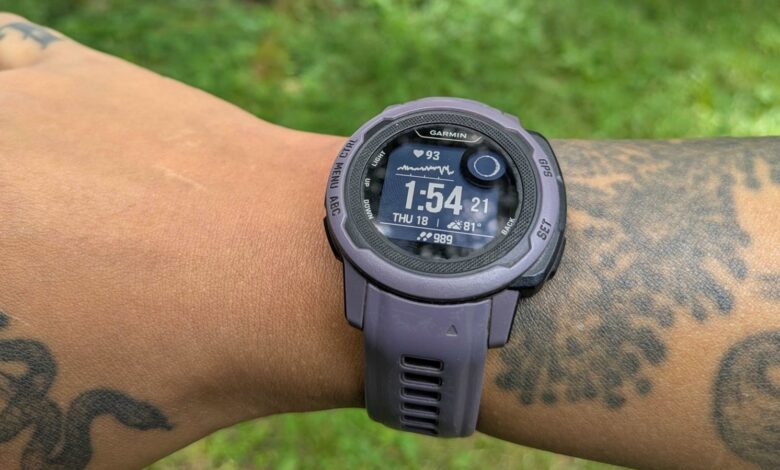
The last thing anyone wants after spending a considerable amount on a wearable device is to find out it’s incompatible with their body. Unfortunately, this is a common issue for individuals with wrist tattoos, a problem that has persisted since smartwatches and fitness trackers emerged. Many users have documented their frustrations on support forums and social media, highlighting that tattoos can interfere with the performance of wearable technology.
One major issue pertains to heart rate monitoring. Wearable devices utilize a light-based technique known as photoplethysmography (PPG) to gauge heart rates, which is the green light you see when the device is flipped over. However, tattoos can obstruct this light, leading to inaccurate readings. Additionally, wrist detection—a feature that confirms if a device is being worn—also relies on light, alongside accelerometers and electrical sensors. If a fitness tracker is placed over a tattooed area, it may fail to recognize that it is on the wrist, causing the user to repeatedly unlock the device.
It may seem surprising that advanced technology capable of gesture control and personalized coaching struggles with something as simple as tattoo ink, but the issue is legitimate. Manufacturers have acknowledged this concern, advising users against positioning their devices over tattoos. For instance, Garmin has mentioned on its support page that “Tattoos (ink, pattern, saturation) can block the heart rate sensor’s light, causing inaccurate or missing readings” and recommends wearing the device on tattoo-free skin for optimal performance. Apple has communicated similar advice since the launch of its first smartwatch.
Are There Any Workarounds?
Users with tattoos have come up with various strategies to maximize the utility of their devices, though these solutions can be far from perfect. The easiest workaround is to position the device on the inside of the wrist or to wear it on the tattoo-free wrist. However, for those accustomed to wearing their watch on the same wrist for years, changing to the other side can feel quite unusual.
As a quick remedy, some have found success using epoxy bottle cap stickers or layers of clear tape above the sensors, which seem to alleviate the problem for many users. There are also reusable accessories designed for this purpose. Additionally, for those only interested in accurate heart rate monitoring, a chest strap may be a viable alternative—provided the wearer does not have tattoos on their chest. Nonetheless, this isn’t the most comfortable or practical option for everyday use.
Ultimately, this issue is likely to persist until advancements are made in the sensors used in these wearables to better accommodate skin variations, including tattoo ink. Furthermore, studies have indicated that light-based sensors can be less effective for individuals with darker skin tones, highlighting the need for a more inclusive approach in the technology’s development and testing.
Interestingly, anecdotal evidence suggests that the latest iteration of Google’s Pixel Watch may be significantly better at reading through tattooed skin compared to older models. While Samsung had reportedly made efforts to improve its devices in this respect, feedback from users with tattoos indicates that challenges remain.
Further Investigation Required
Recognizing the problem is only the first step toward a solution, yet it remains unclear just how much tattoos impact the accuracy of sensor readings, as this varies widely. A recent study aimed to measure the differences in readings from devices worn over tattooed and non-tattooed skin. While it confirmed that tattoos can lead to inaccuracies, the findings were inconsistent.
The researchers used Polar Verity Sense armbands for the study, placing one device over a tattoo and another on a nearby area without a tattoo. To establish accurate baselines, participants also used a Polar H10 chest strap monitor, known for its reliability. Throughout the day, participants’ heart rates were tracked during rest, walking, and jogging.
The results showed that tattoos did affect heart rate readings; however, the impact varied depending on the user’s activity level, with the most significant discrepancies occurring at rest and diminishing with increased exercise intensity. Notably, in some cases, the presence of a tattoo did not affect the measurement at all. Various factors, including ink color, saturation, and depth, contribute to this variability. As of now, there has yet to be sufficient research dedicated to fully understanding this issue to offer a clear solution.