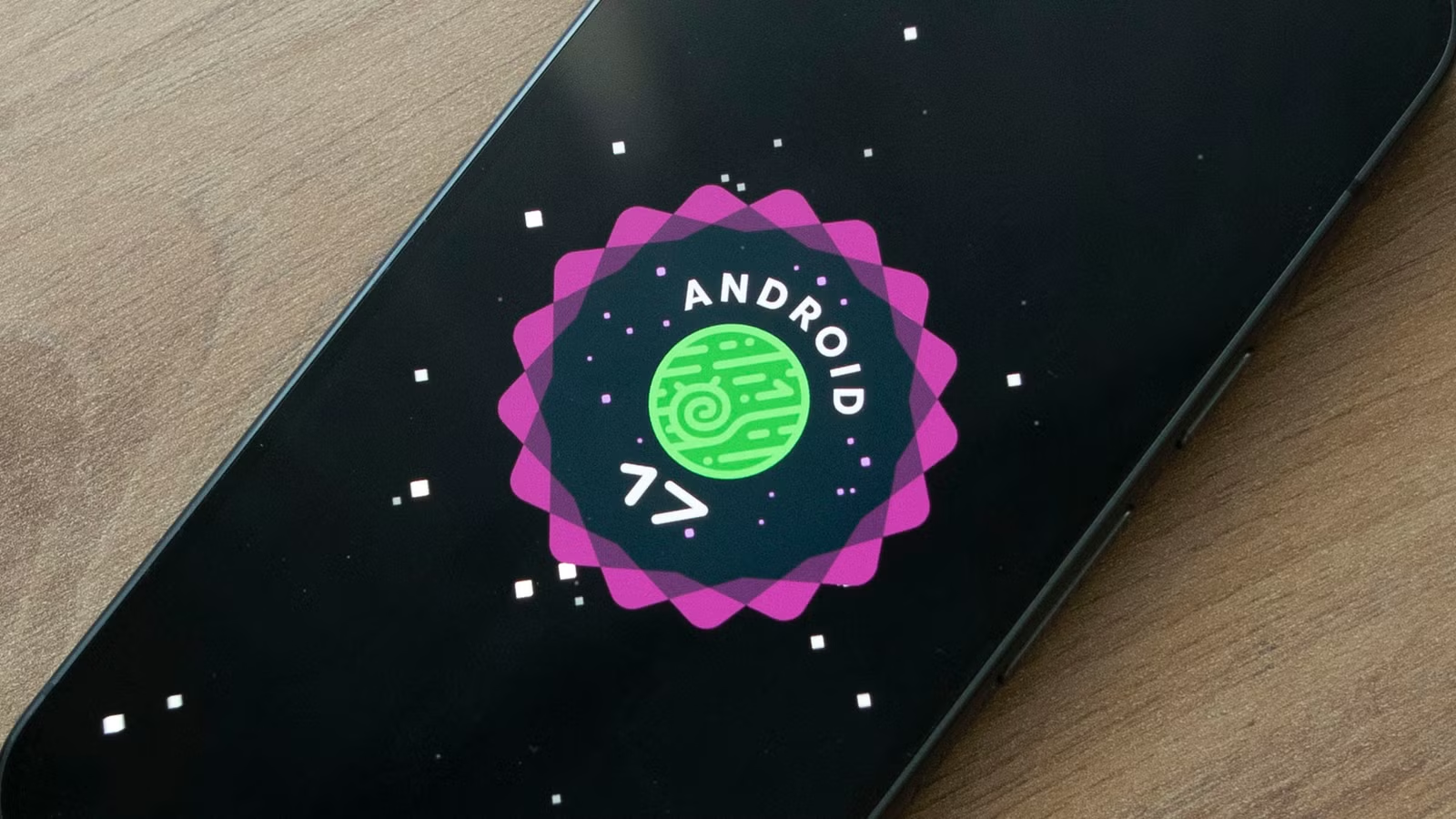
Four months after its release, Android 17 is currently installed on just 1% of active devices. The stable version of Google’s newest mobile operating system launched in June, roughly one year after Android 16, meaning the rollout schedules are similar. However, the rate of adoption tells a different story, as releasing an update is often a distinct challenge from getting it onto users’ devices.
Challenges for Android 17’s Adoption
Ongoing Fragmentation Issues
According to Google’s last update from December 2025, Android 16 was running on 7.5% of devices approximately six months post-launch. However, the latest statistics reveal that Android 17 has struggled significantly, maintaining just a 1% share four months after its debut.
Several factors contribute to this slow uptake. Google’s own Pixel devices typically receive the latest software updates first, while other manufacturers take longer to adapt their models to new versions. For example, Samsung, one of the largest OEMs for Android, has only begun a broader rollout of Android 17 in recent weeks. Consequently, many Galaxy models may not be reflected in the 1% adoption figure, and future statistics are expected to show an increase as more devices receive the update.
It is also important to note that these figures are drawn from devices that accessed the Google Play Store within a seven-day period, and Google no longer provides comprehensive Android distribution charts.
The latest data indicates that Android 16 currently leads with a 25.4% share of active devices, a significant jump from its previous 7.5% six months ago. Android 14 follows with 15.3%, while Android 15 sits at 14.7%. Together, these versions account for 30% of active devices, with 56.4% running Android 14 or higher.
Interestingly, Android 11 still has a 10% share, while Android 13 accounts for 11.8%. Overall, a notable 43.6% of devices continue to run Android 13 or older, highlighting the ongoing fragmentation and the number of users with outdated software.
It’s quite possible that Android 17’s adoption rate simply needs more time to gain traction. The pace of this transition is determined by hardware manufacturers rather than Google. Users can verify if the latest version is available for their device by navigating to Settings > About phone.