Skip the Duo: What Apple Misunderstands About Crafting a Successful Foldable Device

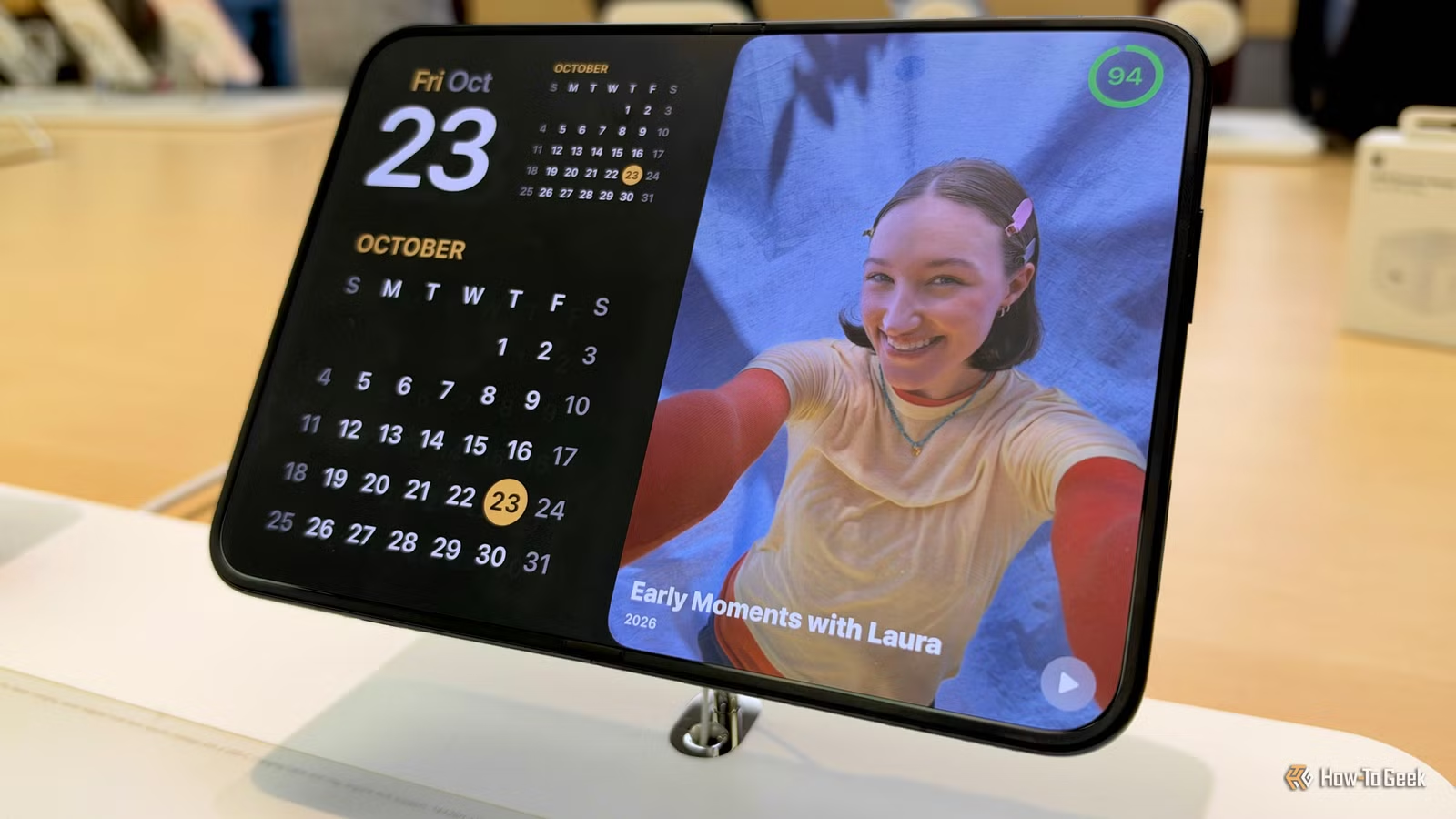
As an enthusiast of foldable smartphones, I’m excited about the arrival of the iPhone Duo. Apple’s inaugural foray into foldable devices has generated significant buzz in a market that, while nearly a decade old, remains novel to many. However, for those pondering whether the iPhone Duo should be their first foldable experience, the answer is regrettably no.
Foldable phones have been in circulation for a while, with companies like Samsung and Motorola selling them in the U.S. for the past eight years, while brands such as Huawei and Oppo are continually redefining their capabilities. These manufacturers have gleaned valuable insights during this time. The iPhone Duo, at best, mirrors some successful features from these brands. However, Apple has made some missteps that other manufacturers wisely sidestepped.
The iPhone Duo’s App Compatibility Issues
Unmatched App Compatibility Challenges Compared to Android
When you try out the iPhone Duo at an Apple Store or Best Buy, the apps showcased seem to perform well on both the internal and external screens. But for those who have been following the device, it’s likely you’ve encountered images and videos that undermine this perception. The apps on display are primarily designed by Apple. Unfortunately, when you start installing third-party apps or even some of Apple’s own applications, the experience deteriorates rapidly.
Many third-party apps appear awkwardly centered, surrounded by black spaces. Others stretch to fill the screen yet still display black bars on the sides. Only apps that have been explicitly updated for the iPhone Duo fully utilize both screens. Even then, numerous developers have not adapted their app interfaces effectively, leading to important buttons being out of view or various interface elements overlapping.
Many anticipated the iPhone Duo to function like two iPhone Airs joined together, which would have allowed existing iPhone apps to seamlessly work on the outer screen while requiring updates only for the inner display. However, Apple aimed for a distinctive approach, banking on the notion that developers will invest time into optimizing their apps for this singular device. Given the iPhone Duo’s potential for high sales compared to other foldables, this belief is not entirely unfounded.
In contrast, Android manufacturers like Samsung lack that luxury and must ensure their devices are compatible with existing apps. This results in Android apps, even those not specifically modified for foldable interfaces, generally stretching to fill the screen adequately. As a result, using a non-optimized Android app is often better than using an unsupported iPhone app on the Duo.
Weight and Thickness Concerns
After Experiencing the Galaxy Z Fold 8, the iPhone Duo Feels Heavy
Currently, I’m typing this on a Motorola Razr Fold, which weighs 243 grams. While this is not the lightest foldable, it is still lighter than my former device, the Samsung Galaxy Z Fold 6. In comparison, the iPhone Duo weighs 254 grams, making it the heaviest of the three.
However, that’s only part of the equation. The Razr Fold is also thinner than the Galaxy Z Fold 6, with rounded edges and a small camera bump that distribute the weight more comfortably in hand. Conversely, the iPhone Duo has a bulkier design. When held, its weight is more concentrated, making it feel heavier and less comfortable compared to taller alternatives.
The iPhone Duo is notably heavier than the Galaxy Z Fold 8, which weighs 201 grams—25% lighter. This difference is palpable, and I encourage you to visit a retail store to feel it for yourself. Personally, I find the iPhone Duo to be among the more visually appealing iPhones since the pre-iPhone X era, yet the Galaxy Z Fold 8 feels like the more advanced option when compared directly.
Camera Technology in Foldables
Advancements in Camera Quality Among Competitors
For many years, purchasing a foldable meant settling for a camera that was inferior to that of regular smartphones. However, that narrative has begun to shift over the past year. The Samsung Galaxy Z Fold 8 Ultra, for instance, comes very close to matching the camera quality of Samsung’s flagship Galaxy S Ultra series. Its camera hardware surpasses all current Samsung devices, except the Galaxy S26 Ultra, with only minor differences in aperture and zoom quality.
Other brands have also significantly improved their camera setups. The three-camera arrangement on my Motorola Razr Fold matches that of the higher-end Motorola Signature model, which has received commendable scores on DxOMark, outperforming the majority of Android phones available. Meanwhile, the iPhone Duo features only two cameras, similar to those on the Galaxy Z Fold 8. Although Apple’s image processing still offers an edge in terms of video quality, switching to the Duo from a recent iPhone Pro may leave you feeling like you’ve taken a step back in camera performance.
Challenges for iPhone Duo Owners
This is Apple’s first attempt at a foldable device, and while the iPhone Duo boasts some benefits, it often exhibits the typical issues associated with first-generation products. Other brands have already perfected providing top-notch camera systems within lightweight designs that adapt effectively to both screens. If you are committed to the Apple ecosystem, you’ll have to wait for the company to rectify these challenges. However, if you’re exploring options, there is little incentive to hold off any longer.