Discovering ‘Renoa’: The Sensation of the First New Fiber in a Quarter Century

Cashmere seems to be everywhere these days, making its mark on various occasions.
A multitude of brands now offer cashmere sweaters, ranging from Bruno Cucinelli’s $7,900 luxurious cardigans to Quince’s more affordable $50 crewnecks. Menswear brand Loro Piana has positioned cashmere as a key element in its offerings, helping its segment of LVMH to surpass a valuation of €11 billion. Interestingly, even running shirts made from cashmere have emerged.
However, cashmere isn’t suitable for everyone. It remains a luxury item, often challenging to maintain, and carries significant environmental concerns. The goats that produce cashmere have been causing considerable damage to the rangelands of Central Asia.
This landscape may soon shift. A new fiber called renoa, developed by a startup named Everbloom, has caught my attention. This innovatively engineered fiber is washable and aims to be more cost-effective, potentially expanding the cashmere experience to a wider audience.
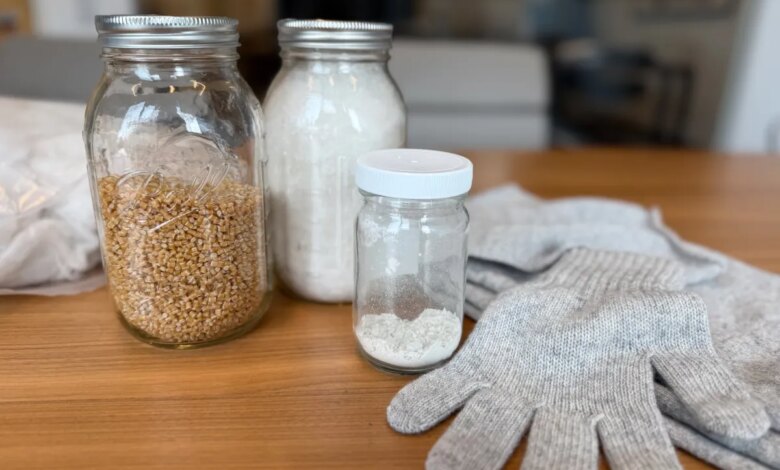
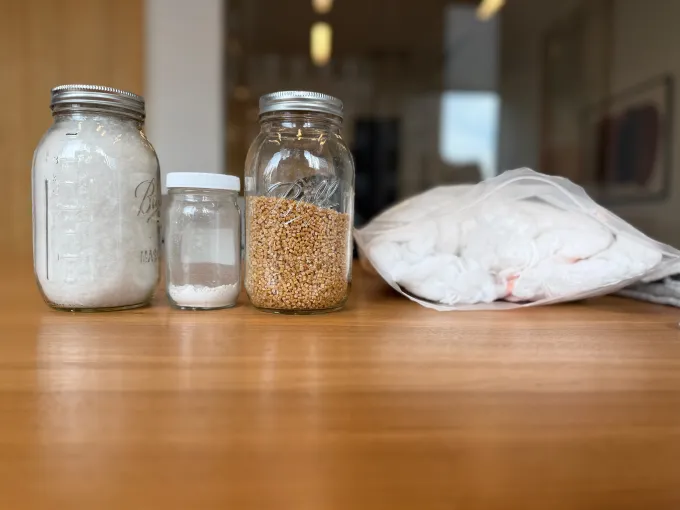
Renoa is crafted from various waste protein sources, such as scraps from cashmere and wool as well as leftover down and feather material from the bedding industry. Everbloom processes this waste, converting it into a powder that gets combined with a biodegradable polymer, which is then extruded to replicate the characteristics of natural fibers.
Recently, renoa was recognized as the first new fiber classification in 25 years by the U.S. Federal Trade Commission, which oversees fiber labeling in the country.
Everbloom has spent three years in development and is now gearing up for production. The startup has created its proprietary AI model for material science, with renoa being the initial product offering.
During a recent visit to Everbloom’s New York City headquarters, located 15 stories above 5th Avenue near Bryant Park, I was guided through various products made with the cashmere-like renoa by co-founder and CEO Sim Gulati. These included a crewneck sweater, knit gloves, and a scarf.
While the sweater and gloves felt soft and light, the scarf stood out. It may not have appeared extravagant, yet it had endured conditions that a pure cashmere scarf could not withstand. Crafted as a test piece, Gulati had worn and washed it for months, even subjecting it to a tumble drying session. Remarkably, there were no signs of pilling or shrinking.
Everbloom is actively collaborating with various companies to incorporate renoa into consumer products. Early iterations are expected to be blended with traditional fibers, such as cashmere, making up roughly 20% of the final material in items like sweaters. The first market-ready product is anticipated to launch in the second quarter of 2027, according to Gulati.
The 80/20 blend of cashmere and renoa I experienced closely resembled authentic cashmere, and Gulati noted that additional finishing techniques in commercial clothing will further minimize any discrepancies without sacrificing washability or durability. After this revealing visit, I found myself contemplating the potential benefits of renoa for various items in my wardrobe. I’ll be watching keenly for its debut next year.