Essential Sensor Spare Parts for Your Smart Home: Lessons Learned the Hard Way

Initially, I never thought of integrating additional motion or leak sensors into my home. However, I’ve recently come to realize the value of having extra water leak sensors on hand.
Water, Water, Everywhere
Having an Abundance of Water Leak Sensors is Wise
Few smart home devices provide as substantial a return on investment as water leak sensors. They are primarily intended for detecting leaks, making it wise to place them under sinks, near washing machines, and dishwashers.
Even without a fully automated home, you can benefit from these devices if you choose models with built-in alarms. They emit a sound to alert you to leaks before damage escalates. If integrated into a smart home setup, these sensors can notify you of issues or even shut off the water supply using a smart valve.
Recently, my area experienced relentless rain for almost two weeks. As I write this, another storm is brewing. While I enjoy these heavy rains, they increase the risk of overflowing gutters or wind-driven water intruding into unwanted areas.
This risk materialized two nights ago during a fierce storm. In a specific area at the front of my house, I had previously encountered water ingress but believed it was resolved. I neglected to check it and went to bed, only to awaken to find water had seeped in, damaging the floorboards and affecting the garage.
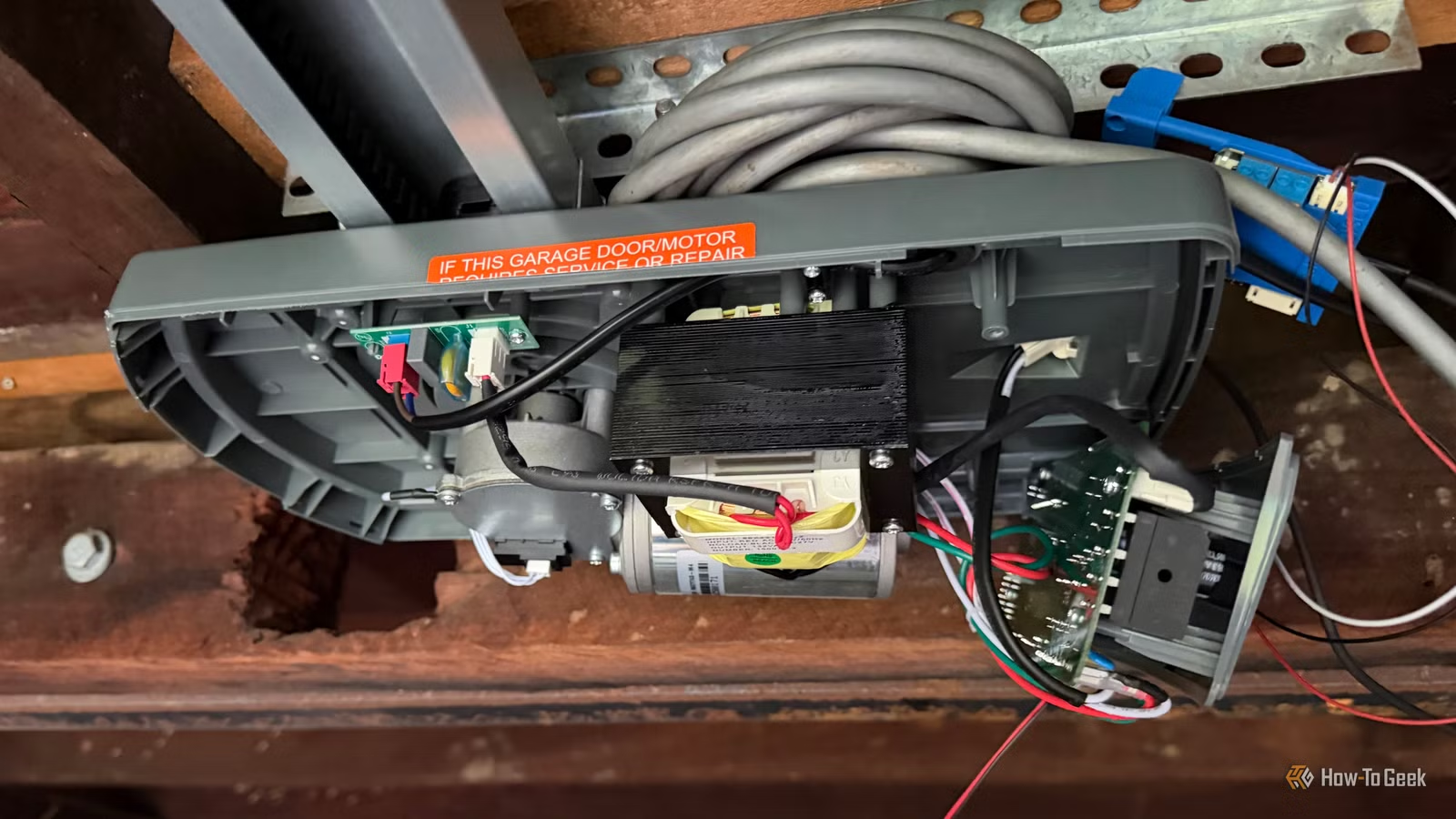
I generally don’t worry about my garage, but a previous incident led to the failure of a $500 garage door opener, which I’d prefer not to replace. Fortunately, despite the water, the opener remained intact.
While I’ve criticized Chamberlain’s performance in smart home operations, I can’t fault the durability of their products.
Configure Sensors and Alerts in Advance
Automations are Essential for Effective Sensors
In hindsight, given the numerous storm alerts I received prior, I should have installed a water leak sensor in that vulnerable spot. It’s advisable to place sensors in any area where water could enter, like window sills, attics, basements, or even cars parked outside.
Unfortunately, I only had enough spare sensors for the most vulnerable areas of my home. I repurposed a sensor from my water heater, but it’s evident I need more for reassurance (and likely you do too).
Moreover, the alerts I set up in my smart home system should correlate with each sensor. Receiving a generic alert for one of multiple sensors can lead to confusion when trying to locate the leak. There’s also no point in shutting off your water supply if the issue arises from the roof instead of the pipes.
The lesson here is clear: build a small inventory of sensors for potential storms and tailor your alerts to specific zones.
When They Malfunction
A Sufficient Amount of Water is Necessary
So far, I’ve never received an alert from a water leak sensor that wasn’t prompted by my own actions, like testing or battery replacement. While that’s fortunate, there was one instance last year when I expected a leak alert when a large container of vinegar spilled under my sink.
Despite the significant spillage, the sensor failed to notify me as it was situated on a partially absorbent surface. This prevented enough water from accumulating to trigger the device. In a genuine leak scenario, it’s likely the sensor would have performed better.
Remember that these devices require a sufficient amount of water to activate. In my case, the roof leak produced enough pooling water, but minor drips may not trigger an alert.
Installing a water leak sensor in your basement, alongside other devices, is highly advisable.