Important considerations before purchasing a smartphone from overseas.
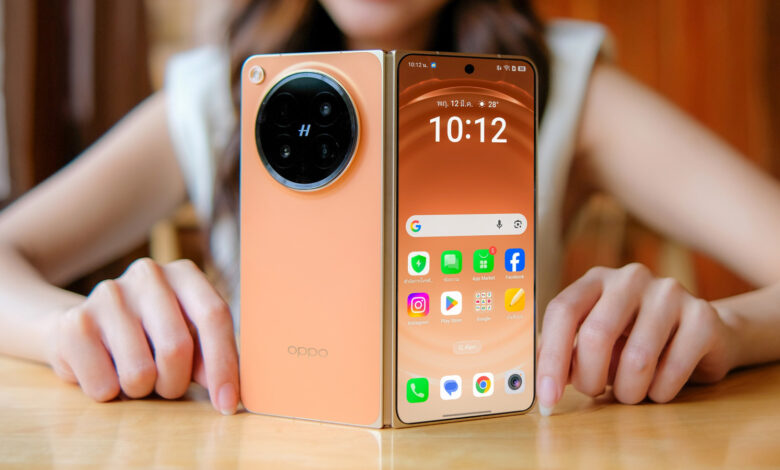
In the United States, consumers have a wide variety of smartphone choices including well-known models like the iPhone and Google Pixel. However, there are also fascinating devices available internationally that are not sold domestically. Notable examples include Xiaomi’s Mix Fold, Honor’s Magic series, and OPPO’s Find X, which boast distinctive features and designs that may be missing from American offerings.
While importing these smartphones is an option, there are significant challenges to consider. Compatibility issues with local carriers and difficulties in obtaining warranty service are potential hurdles. It’s crucial to examine several factors before making an international purchase.
Essential Guidelines for International Smartphone Purchases

Acquiring a smartphone from another country has become notably simpler as many devices are now manufactured for global compatibility across various cellular bands. However, certain models may not function with the frequency bands used by U.S. carriers. It’s crucial to verify whether the smartphone you are interested in aligns with your carrier’s specifications to avoid being stuck without 5G connectivity.
Additionally, certain features such as Wi-Fi calling, VoLTE, and visual voicemail often require device certification by the carrier. Even if the imported phone operates successfully on a carrier’s 5G network, it may not support these functionalities. Be aware that network criteria can evolve, which might affect device compatibility in the future. Online platforms can offer insights from users who have purchased the same model.
Software updates can also present challenges. The availability of Android updates can be linked to specific regions or carriers. Some foreign brands might not integrate seamlessly with Google Play Services, which is crucial for many Android users. This could require manual updates, with the possibility of unwanted pre-installed apps and services.
Moreover, obtaining warranty service in the U.S. might be problematic. Many international brands lack official representation, complicating customer support for issues such as battery failures or screen damage, which may require consulting unauthorized repair technicians.
Advantages of Purchasing an Imported Smartphone

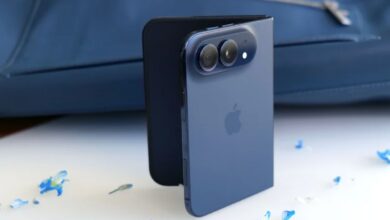
If you are willing to navigate these potential challenges, importing a smartphone can be an exciting venture, offering access to innovative devices that are not available in the U.S. Numerous Chinese manufacturers are producing remarkable technology, including foldable phones, high-quality camera-equipped flagship models, and phones featuring large batteries. For example, the Xiaomi 18 Fold resembles the iPhone Duo, but comes with enhanced battery life and superior camera capabilities at a lower price (about $1,640). However, it must be purchased outside the U.S. for use.
For tech enthusiasts eager to try the latest gadgets, importing often allows for early access to new releases ahead of their U.S. availability. Additionally, many international models still support dual SIM card functionality, a feature that is becoming less common in U.S. markets, which are shifting more towards eSIMs. While the experience can be enriching, those who prioritize official support and full feature compatibility may find it simpler to buy domestically supported devices.