Oura Takes Legal Action Against Competitor Ultrahuman, Jeopardizing Its Return to the U.S. Smart Ring Market

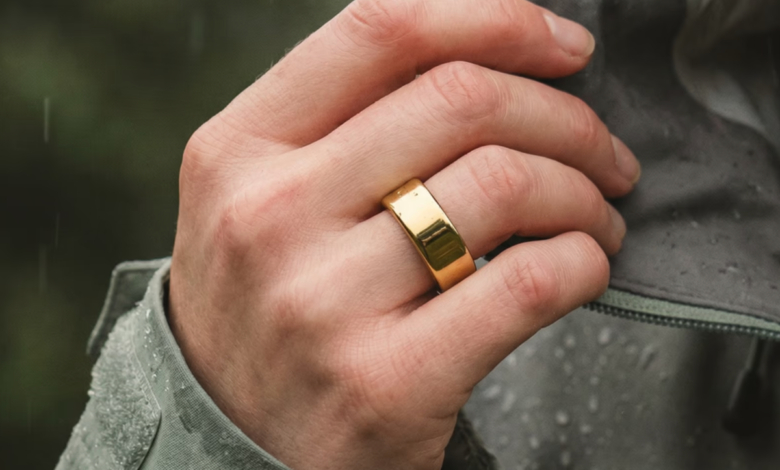
Oura, a company specializing in smart rings, has once again taken legal action against Indian competitor Ultrahuman. This move aims to halt the sales of Ultrahuman’s recently redesigned Ring Pro in the U.S., just months after the product reentered the market following an import restriction. This lawsuit is part of a broader series of patent conflicts Oura has initiated against various smart-ring manufacturers, including Samsung and RingConn.
In a legal filing made on Thursday in a Texas federal court, Oura claims that Ultrahuman’s Ring Pro violates two of its patents, pertaining to the ring’s design and its internal components, such as the battery and sensors. Oura is pursuing financial compensation and a permanent ban on the sale of the Ring Pro.
Ultrahuman’s latest iteration of the Ring Pro, which debuted in February, was granted a positive ruling from U.S. Customs and Border Protection in March, allowing the startup to reenter the U.S. market. This followed a previous import ban on Ultrahuman’s earlier model, Ring Air, which was imposed after Oura won a patent infringement case from the International Trade Commission last August.
An Oura spokesperson stated, “Ultrahuman has repeatedly emulated Oura’s innovations, as highlighted by the 2025 ITC ruling against them. They have attempted to launch a redesigned ring while still infringing upon our patents, aiming to benefit from our innovation and market dominance.”
Oura contends that the Customs ruling addressed only the patents related to the earlier conflict and not the two patents invoked in the latest case: D804,471 and 12,769,363. “To uphold its patent rights, Oura finds itself compelled to bring this patent infringement lawsuit,” the company asserted in its complaint.
One of the contested patents, 12,769,363, was awarded to Oura on October 20, just two days ahead of the lawsuit. It pertains to a smart ring design that includes features like a curved battery, circuit board, magnets, and sensors.
Additionally, Oura has named SVTronics, a Texas-based electronics manufacturer, as a co-defendant in the lawsuit, claiming that SVTronics produces the Ring Pro in Plano, Texas, under Ultrahuman’s oversight. The suit alleges that both companies infringe upon Oura’s patents through their manufacture, importation, and sale of the Ring Pro within the U.S.
Ultrahuman’s co-founder and CEO Mohit Kumar expressed confidence in their product and pledged to contest the allegations. Kumar remarked, “Oura has opted to invoke different patents, including one issued merely two days before this lawsuit. We will respond to these claims through the appropriate legal channels and will defend our position vigorously. There’s no court order impacting the availability of the Ring Pro, which remains accessible to U.S. customers.”
The ongoing patent dispute between Oura and Ultrahuman dates back to 2023 when Oura filed a lawsuit against Ultrahuman regarding its Ring Air, which had gained significant traction in the U.S. market. Following that, Oura launched another case with the U.S. International Trade Commission in 2024, culminating in the previous import ban on Ring Air.
Oura is not solely focused on Ultrahuman; the company has sought legal action against other smart ring manufacturers, including Samsung, RingConn, Circular, and Zepp Health. Some of these conflicts have resulted in licensing agreements, allowing RingConn and Circular to continue selling their products in exchange for royalty payments to Oura.
As the smart ring market continues to expand, research firm IDC predicts a 12.8% increase in global shipments this year, reaching approximately 4.9 million units, with projections of about 6.3 million by 2030. While Oura remains a dominant force in this sector, Ultrahuman is emerging as a notable competitor.
This lawsuit follows Oura’s recent decision to postpone its $2.2 billion initial public offering due to ongoing market uncertainties. The company continues to enhance its smart ring features, having introduced new metrics to help users monitor the impact of their workouts on cardiovascular health just earlier this week.
In September, Ultrahuman secured $70 million in funding from investors like Qualcomm Ventures and Labcorp, raising its valuation to approximately $365 million. The startup is collaborating with Qualcomm on an innovative smart ring that may support additional software functionalities, expanding its capabilities beyond health and fitness tracking to include AI interactions and gaming.
This article has been updated to include remarks from Ultrahuman co-founder and CEO Mohit Kumar.