Understanding the Role of Amplifiers: Enhancing Your Sound System’s Quality and Performance

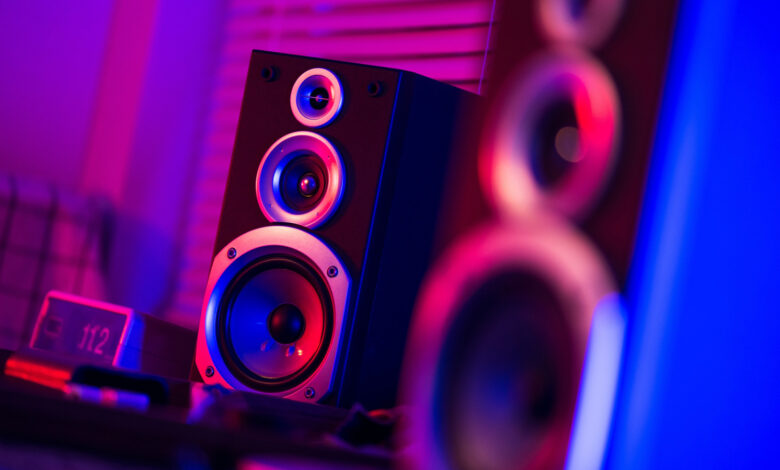
You might be surprised to discover a few hidden gems in your own home.
Audio equipment manufacturers often offer various accessories to enhance your audio system. While you can find extravagant items like gold-plated audio cables, these don’t genuinely improve digital sound quality—either the data signal is clear, or it isn’t. Among the products worth considering is an amplifier, especially when you’re setting up a home theater or personal music space. This explains why specialized audio shops have been selling them for so long.
However, acquiring an amplifier alongside new speakers isn’t always necessary. It’s crucial to comprehend an amplifier’s role, how much it can actually enhance sound quality, and whether an additional purchase is required. Newcomers to serious audio setups might be shocked to learn that amplifiers are already present in their homes, often going unnoticed, highlighting their essential nature.
There are also misconceptions to address. It’s not always necessary to have separate amplifiers, and ideas like tube amplifiers being superior to solid-state models can be misleading. Don’t be tempted to invest in expensive gear just because it appears appealing; what matters is achieving superior sound quality rather than impressing others. There are often more affordable ways to enhance your system.
How amplifiers can elevate your audio system

Most audio signals are not strong enough to be clearly heard on their own. For instance, if you listen to a turntable with its speakers off, you may barely hear the “needle talk”—the stylus navigating the vinyl grooves. To properly hear sound, every audio system requires an amplifier to boost the signal before it reaches the speakers. It’s critical to pair the amplifier with the power and impedance specifications of your speakers, usually measured in watts and ohms.
Amplifiers do more than merely increase volume; a good amplifier allows you to adjust gain (the amount of signal enhancement) and modify sound through its equalizer (EQ). You can tailor frequencies for richer bass or sharper vocals, if desired. Proper gain and EQ settings are not only essential for pleasant sound but can also prevent clipping, distortion, and potential hardware damage.
It’s also useful to distinguish between amplifiers and preamplifiers. Preamps only enhance audio to line level to ensure correct gain throughout the system, meaning you still need a dedicated amplifier for speakers. Some amplifiers come with built-in preamps, simplifying the setup process.
Regarding the need for an amplifier, it depends. Many consumer speakers are active, featuring built-in amplifiers, as indicated by their unique power cords. Only passive speakers necessitate external power, and even they may not need a separate amplifier. Receivers often combine both amplifier and preamplifier functions, serving as a comprehensive solution. More demanding audio setups, like complicated Dolby Atmos systems, may indeed require additional amplification.
In general, solid-state amplifiers are preferable over tube amplifiers. While tube amplifiers can provide a “warmer” sound and have vintage aesthetics, they typically produce lower power (around 50W) and are less suited for surround-sound configurations without significant investment. Additionally, tubes require more maintenance, as they need replacement as they degrade. Attempting to establish a home theater using solely tube amplifiers could end up being costly and impractical.
Affordable upgrades for your sound system

Often, the speakers themselves could benefit from an upgrade. Transitioning from a basic stereo soundbar or speaker pair to a high-end, all-in-one Atmos soundbar can significantly enhance your audio experience. If you already have that, consider adding rear and side channels for richer sound separation. Ceiling channels can offer the ultimate experience for audiophiles, but installation can be complex, requiring mounting and wiring.
Some enhancements can be made at a relatively low cost. Using materials like mats or speaker stands can eliminate unwanted vibrations. Acoustic panels can minimize excess reverb, and moving speakers further from the walls can help with muddled bass. If you own smart speakers equipped with automatic room calibration, it’s advisable to run that feature after making substantial changes to your space.
While amplifiers do play a role in sound systems, if your speakers are active or you have a receiver, an additional amplifier may be unnecessary until you reach a more sophisticated level. In essence, unless you have a high-end setup or a dedicated space for enjoying audio at its best, it may be wise to save your money.