Waymo’s expansion in the commercial robotaxi sector is noteworthy, both in terms of geographical coverage and user engagement. However, much of this growth is concentrated in just a couple of states.
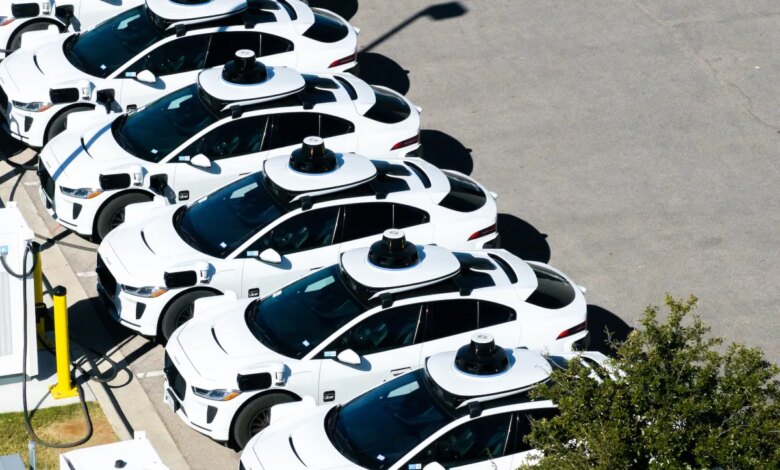
In the past two years, Waymo, which originated from Google and remains under the umbrella of Alphabet, has demonstrated a strong rollout plan typical of a well-funded enterprise. Back in September 2024, the service operated in merely three cities: Phoenix, Los Angeles, and San Francisco. Currently, it operates robotaxi services in 15 cities across the United States, with many of these expansions happening over the last year. Weekly ridership has surged, with Waymo now averaging around 500,000 paid rides each week.
However, a closer examination reveals that the company is primarily focusing its resources in two states. Approximately 80% of its fleet, which consists of around 4,000 robotaxis, is located in California and Texas, with Texas experiencing the most rapid growth. In the last three weeks alone, Waymo has expanded its Texas fleet by nearly 50%, attributed to a new minivan model from China that the company believes will help it scale, despite facing increased costs due to tariffs.
The remaining 800 vehicles are deployed in other states, including Arizona and Florida, which is also experiencing robust growth. The majority of the fleet comprises familiar white Jaguar I-Pace electric SUVs, but an increasing number are the newly introduced minivan—a modified Zeekr RT model that Waymo calls “Ojai.”
Waymo’s emphasis on California is understandable, as the company is based in Silicon Valley, where it conducted much of its initial testing and development. Additionally, the local population tends to embrace new technologies more readily.
The recent surge in Texas presents an interesting case. Waymo’s fleet there has climbed by 49% in just three weeks, according to state vehicle registrations and data from local tracking systems. By September 24, Waymo had registered 1,102 autonomous vehicles in Texas.
The company first entered the Texas market in Austin in March 2025 through a collaboration with Uber, enabling users to hail robotaxis via the Uber app. Since then, Waymo has expanded its services to Dallas, Houston, and San Antonio.
After a relatively stagnant summer, where the Texas fleet grew from approximately 600 to over 700 vehicles, September saw a significant boost, primarily due to the introduction of the Ojai minivans, which now account for about one-third of the Texas fleet.
This proportion is expected to increase further.
The Ojai minivan, equipped with Waymo’s sixth-generation autonomous driving technology, is designed to facilitate large-scale operations. It features an interior optimized for frequent use, along with an enhanced rider interface and Google’s Gemini AI, which serves as an in-car assistant.
When stripped of its advanced technology, the Ojai is fundamentally a minivan produced by Zeekr, a brand under China’s Geely Holding Group, which also owns Volvo. The Ojai is built on Zeekr’s SEA-M platform, a versatile vehicle framework tailored for purposes such as robotaxis and delivery. The basic vehicles are sent to the U.S. devoid of any connected-car technology from China. Upon arrival, they are modified at Waymo’s facility in Arizona, where they receive the company’s self-driving system.
Waymo anticipates that the Ojai will help reduce overall costs and pave the way to profitability in the long run. However, current tariffs are affecting the potential savings. Due to U.S. trade policies, vehicles manufactured in China are subject to high import tariffs, inflating Waymo’s costs for each Ojai brought into the country.
Despite these challenges, Waymo appears prepared to bear the additional expenses. Research firm MoffettNathanson, which monitors Ojai imports through detailed shipping data, noted in its latest report that Waymo is set to import 5,100 of these vehicles by year-end.
Where will these Ojai minivans be deployed? Texas is certainly one of the targeted areas. However, states like Florida, where Waymo operates in three cities, and newer markets such as Las Vegas are also likely to see an influx.