Meta Withdraws from Renewable Energy Project, Shifts Focus to Natural Gas for Data Centers

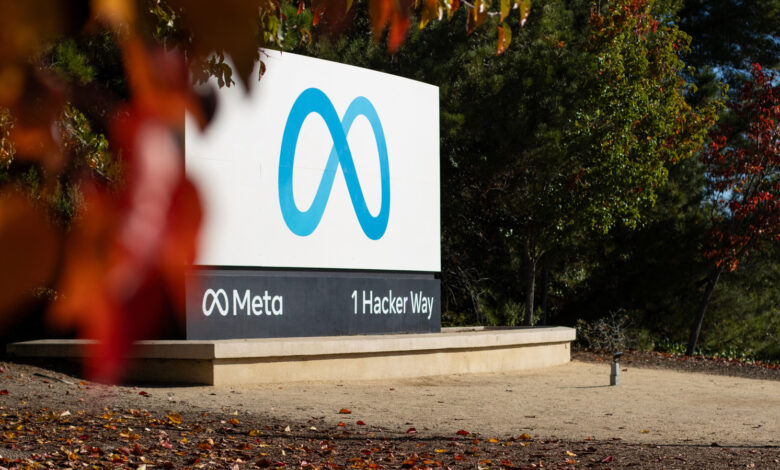
The firm has made a commitment to ten natural gas facilities since the previous year.
Ten years ago, Meta became a participant in RE100, a prominent initiative focused on encouraging large businesses to shift towards renewable energy sources. Recently, however, the company has exited the initiative as it increasingly depends on natural gas to power its AI data centers.
RE100 is managed by the UK nonprofit Climate Group and consists of over 400 corporations, including tech giants like Microsoft, Google, and Apple, all of which have pledged to meet their energy demands entirely from renewable sources. Meta had joined this effort in 2016 with the intention of achieving this goal by 2020.
Although Meta chose to join RE100 voluntarily, its withdrawal highlights a notable change in focus as the company invests heavily in AI infrastructure. Reports indicate that Meta’s exit was communicated by Climate Group, which stated that the company could not meet the technical requirements due to its increased reliance on gas power. In response, Meta affirmed to sources that it remains dedicated to using “100% clean and renewable energy,” suggesting that leaving RE100 was a mutual agreement.
Earlier this year, Meta announced plans to support the construction of seven new natural gas plants for its data centers, bringing its total commitments to ten since last year.
Analysts pointed out that just because Meta is investing in natural gas facilities does not automatically imply that it has abandoned its renewable energy promises. Companies often comply with their commitments by purchasing energy attribute certificates to counterbalance their fossil fuel usage.
However, with the significant investment Meta has made in natural gas—its planned ten power plants expected to generate sufficient energy to supply the entire state of South Dakota—the company may face challenges in maintaining its renewable energy claims. As one analyst noted, “defending a 100 percent renewable claim becomes increasingly difficult.”