PC Sales Dive for the First Time in Two Years—But One Company Defies the Trend

The computer industry is currently navigating through a particularly challenging time. Analysts from IDC report that PC shipments experienced a 4.9 percent decline in the second quarter of 2026, marking the first drop in over two years. However, one company has managed to stay afloat amidst these troubles.
Researchers attribute the downturn primarily to a continued shortage of memory chips and storage constraints, compounded by various political issues. Despite the drop in shipments, revenue has been increasing, as manufacturers are raising prices at a faster rate than demand is declining. Many PC brands have proactively secured inventory to mitigate the impact of rising costs.
IDC’s data shows that significant players in the Windows PC market faced the steepest declines. Lenovo, the market leader, saw a 2.1 percent decrease in shipments, while HP faced a dramatic 9 percent decline. Dell’s shipments decreased by 5 percent, and ASUS managed to barely maintain its position with a slight 0.2 percent increase in shipments.
In stark contrast, Apple recorded a 10.1 percent increase in shipments during Q2, bringing its market share to 9.9 percent, thereby narrowing the gap with Dell, which maintained a 13.6 percent share.
How Did Apple Expand Its Market Share?
The Role of the MacBook Neo
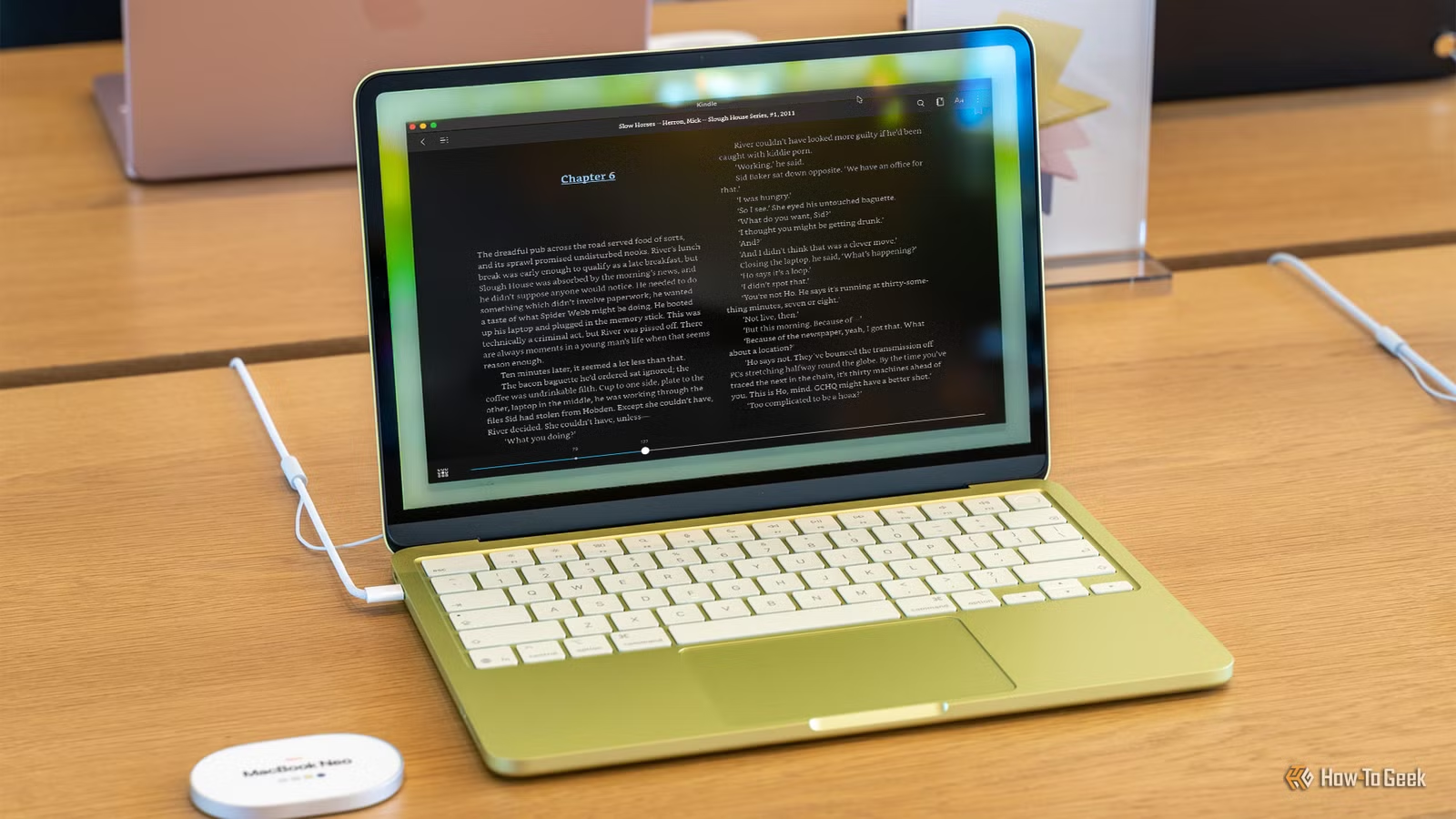
IDC attributes Apple’s success in growing its market share to the introduction of the MacBook Neo. This first budget laptop from Apple targets a demographic that the company has not previously catered to, reflecting the heightened demand.
The Neo debuted at a price of $599, significantly lower than the starting price of the MacBook Air, which typically starts around $999. The budget model retains much of Apple’s signature design and is powered by an iPhone chip that matches or surpasses the performance of the M1 while being more energy-efficient. This enables Apple to keep production costs down while still maintaining quality, allowing the use of a smaller battery without significant trade-offs.
Despite having to increase prices, with a $100 hike for the MacBook Neo in June, Apple is reportedly “well positioned against competitors facing similar cost increases,” according to Jean Philippe Bouchard, Vice President of Consumer Devices at IDC. This suggests that rival PC makers are also raising prices, making the Neo still relatively affordable.
Gloomy Outlook Ahead
Looking forward, the outlook remains bleak. IDC does not anticipate an end to the memory shortages and related problems until early 2028, with manufacturers bracing for further price increases in 2027. Prospective buyers may want to consider making purchases now to avoid potential price hikes over the next year.
The latter half of 2026 could prove to be more challenging than the first half. Companies are not stockpiling inventory as they did previously, leading IDC to predict a “sharp slowdown” in growth during the final six months of the year.
There’s also the concern that tech giants might “squeeze out” smaller competitors. Major companies like Apple, Dell, and Lenovo could leverage their influence in other sectors, such as mobile devices and servers, to procure memory chips in quantities that smaller brands cannot afford. This could force lesser-known PC brands either to raise their prices or limit their product offerings to stay afloat.