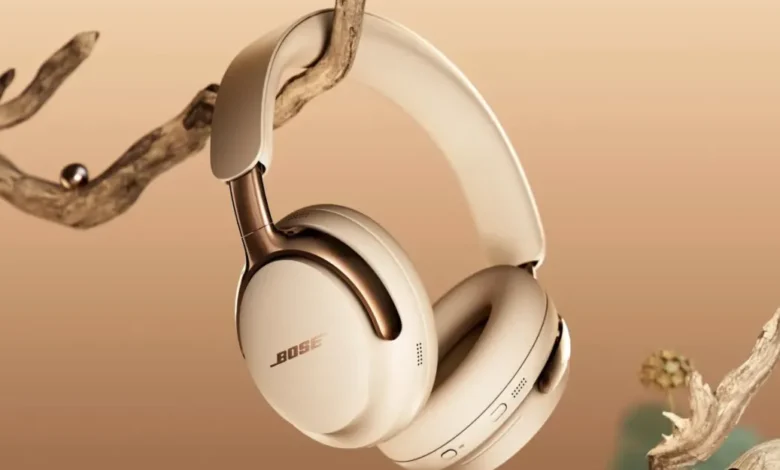
The narrative of corporate music labels is often filled with the remnants of companies ill-suited for the music scene. Bose aims to break this trend. The company aspires to emulate the success of brands like Red Bull. While Bose may have a more credible reason to explore the media arena than a company like Build-a-Bear, doubts remain about its potential to flourish where many others have stumbled.
In a recent conversation with a media outlet, Bose’s Chief Marketing Officer, Jim Mollica, explained that the formation of Bose Studios signifies a shift away from conventional marketing strategies. A key component of this initiative is Bose Records, a newly established label designed to support emerging and overlooked artists. Instead of facing off against dominant players like Sony, UMG, and Warner, the real competition comes from independent labels grappling with the influx of home producers and self-publishing.
Mollica candidly shared the primary objective behind this new venture: to develop a music library that Bose could utilize for its advertisements without incurring licensing fees. He mentioned that the company wouldn’t claim ownership over the artists’ music rights or take a cut from their streaming or sales, allowing them the freedom to partner with other labels. This approach sounds appealing for artists, yet many questions remain about how this initiative will unfold.
Bose is widely recognized for its consumer audio products, which often face criticism for their high prices and mediocre quality, according to many audiophiles. While the company excels in marketing, the skills required to promote artists and nurture talent are vastly different. Mollica did not indicate any plans to recruit A&R professionals from other labels or feature major celebrity collaborations for the launch, though he mentioned involvement from notable Hollywood figures for projects being developed by Bose Studios.
This leads to another potential concern: a lack of clarity in focus. Launching a record label presents its own challenges. Why does Bose, primarily known for producing audio equipment, also intend to establish a film studio, a podcast network, and a live event production entity? Mollica indicated that all these projects are on the horizon.
While it can be argued that Bose, as an audio-focused brand, has a more legitimate claim to enter the music industry compared to other failed attempts, those ventures often included celebrity endorsements, collaborations with established labels, or unique cultural angles. In contrast, Bose Studios appears to lack direction and a clear vision.