Why a $1,000 Audio Cable Feels Similar to a $10 One—and When It Actually Matters

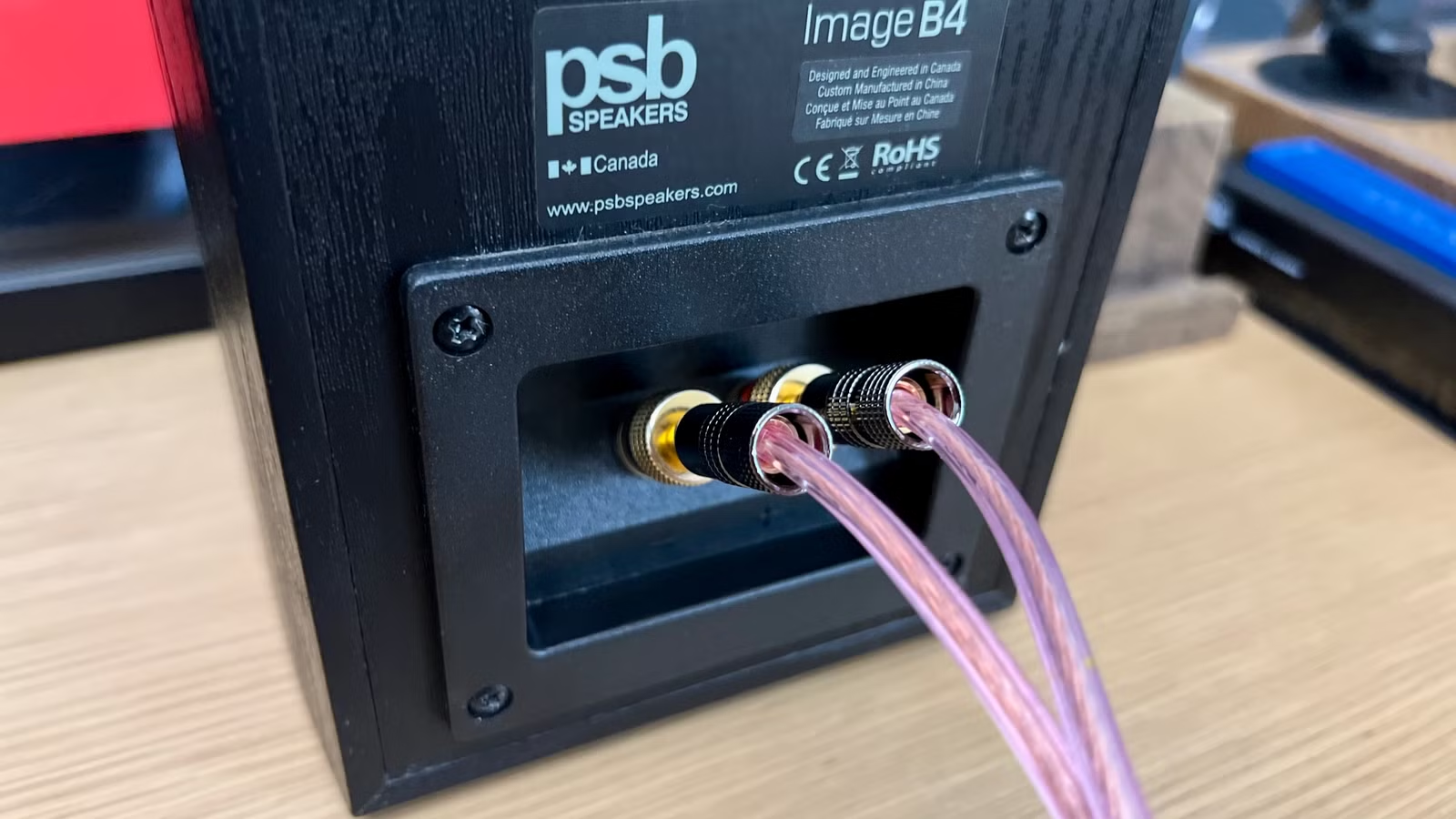
Audio enthusiasts often engage in spirited discussions regarding which audio features are worth investing in and which are merely extravagant. A particularly contentious subject revolves around audio cables. Do connections with gold plating really enhance performance? How does a high-end cable stack up against something as basic as a makeshift coat hanger in terms of audio quality?
Heavier Wire for High-Power Setups and Long Distances
Understanding Resistance Issues
For most users of standard amplifiers, typical 16-gauge wire suffices. However, there are unique situations where using thinner wire can cause complications.
Every wire has inherent resistance and resistivity. Resistivity measures how a material (like copper or aluminum with copper cladding) resists electric flow. Resistance accumulates from wire thickness, length, and the material’s resistivity. Generally, a thicker conductor results in lower resistance, while longer wires increase total resistance.
For instance, a 10-foot length of 16-gauge wire might present a resistance just under 0.1 ohms, but extending that to 100 feet raises it to approximately 1 ohm.
This resistance can have a significant impact on speakers, as many have a nominal impedance of either 4 or 8 ohms. An increase of 1 ohm can represent a notable portion of overall system resistance.
This situation means that 12.5% to 25% of the power sent to the speaker could be converted into heat rather than sound. For setups with high-powered speakers and amplifiers, this wastage might cause the wires to heat up significantly.
Such concerns are generally pertinent for dedicated speaker wire runs in high-powered audio systems, professional setups, or long cable distances. In moderate home environments, investing in thicker wire (14 or 12-gauge) is unnecessary, as the standard 16-gauge wire is adequate and more cost-effective.
Challenges of Cheap Cables in Noisy RF Environments
Preventing Speaker Wire from Acting Like an Antenna
If you’re working in an environment saturated with radio frequency (RF) signals, opting for shielded cables becomes essential. In locations near broadcast machinery, on stages surrounded by wireless mics, or industrial areas, unshielded cables can pick up electromagnetic interference, resulting in audible hums or buzzes.
Running speaker wires adjacent to power lines in homes can also introduce unwanted noise, particularly when the wires run parallel to each other. This could also breach building codes, which often mandate the physical separation of high-voltage lines from low-voltage ones like speaker wires.
If your speaker wire needs to intersect with AC lines, try to arrange the crossing at a right angle. This approach minimizes interference from the AC wire’s magnetic field on the speaker wire. This helps especially with unamplified signals that are more susceptible to interference.
In noisy environments, seek cables that offer sufficient shielding to block interference while being cautious of inflated claims when making purchases. A “premium” cable that lacks proper shielding is ineffective in such environments.
Additionally, remember that cable length matters. For longer cable runs, cable quality, shielding, conductor size, and connector durability become increasingly crucial.
Durability is Key for Outdoor Connections
Protecting Electronics from the Outdoor Environment
The primary outdoor concern doesn’t revolve around signal quality but rather environmental factors. UV rays, moisture, and temperature fluctuations can undermine the integrity of low-quality cable jackets within just a few months.
For installations in outdoor spaces, it’s critical to select cables designed specifically for such conditions. Look for ratings that indicate direct burial capability, UV resistance, and CL2 or CL3 approvals, as they signify how well a cable can withstand environmental factors. Whenever possible, choose waterproof connectors; if not, at least select gold-plated connectors, as gold resists oxidation more effectively than other materials.
Being proactive can save you from the hassle of rewiring your entire outdoor setup within a couple of years.
Budget-Friendly Cables for Most Situations
In general, unless faced with extreme power, substantial RF interference, long distances, or harsh outdoor conditions, a budget-friendly cable will perform just as well as a more expensive alternative. Avoid copper-clad aluminum (CCA), however, for optimal performance.
Rather than pouring money into cables that offer little improvement in sound quality, consider reallocating your budget towards superior speakers, a quality amplifier, or simple room enhancements for a more significant impact on your audio experience.