The airline raises concerns about AI’s security implications and potential breaches of DOT and FAA regulations.
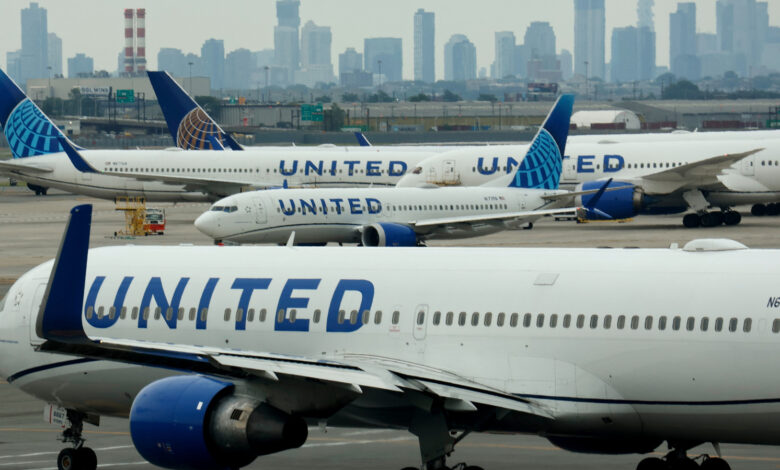
United Airlines has announced a shift in its ticketing policies, prohibiting AI agents from booking flights on its website, through travel agencies, or via flight aggregators. This move aligns the airline with an increasing number of companies, including JPMorgan Chase and Amazon, that are taking similar steps to mitigate concerns regarding security and privacy risks.
United Airlines cites that providing sensitive information, such as payment details or login credentials, to AI agents can lead to security breaches, unauthorized payments, or misuse of MileagePlus miles. Additionally, letting an AI agent handle bookings could potentially violate the existing regulations set forth by the Department of Transportation and the Federal Aviation Administration. For instance, United emphasizes that only a human can confirm the absence of explosives in a bag during check-in.
The airline aims to avoid negative incidents related to AI agents, such as when Meta’s Muse exposed a user’s personal information online. Additionally, United wants to maintain a direct relationship with its customers. CEO Scott Kirby has previously expressed the company’s hesitation to engage in the emerging market of agent-assisted commerce, stating, “To be honest, I don’t want to create another middleman.” In contrast, some airlines, like Southwest, have developed plugins that allow users to book flights using ChatGPT.
Interestingly, even as United and other companies restrict the use of AI agents, the technology may not be gaining significant traction among consumers. During a recent quarterly earnings call, Uber reported handling 320 million rides and deliveries during Halloween week, with AI agents facilitating only 500 Uber Eats orders and a mere four rides—a clear indication of limited adoption.
Using AI for booking transactions poses various levels of risk, from sharing credit card information to more sensitive data like email logins. While many users are downloading apps like Muse, the notion of allowing AI agents to perform shopping tasks may not be as seamless or reliable as necessary for widespread acceptance.