Embarking on the journey to a smart home can be cost-effective, yet some of the most beneficial upgrades come with a hefty price tag. These investments are often worthwhile and can even lead to savings in the long run.
Below are several high-end smart home enhancements that merit consideration.
Solar Panels with Energy Monitoring
A Worthwhile Investment That Pays Off
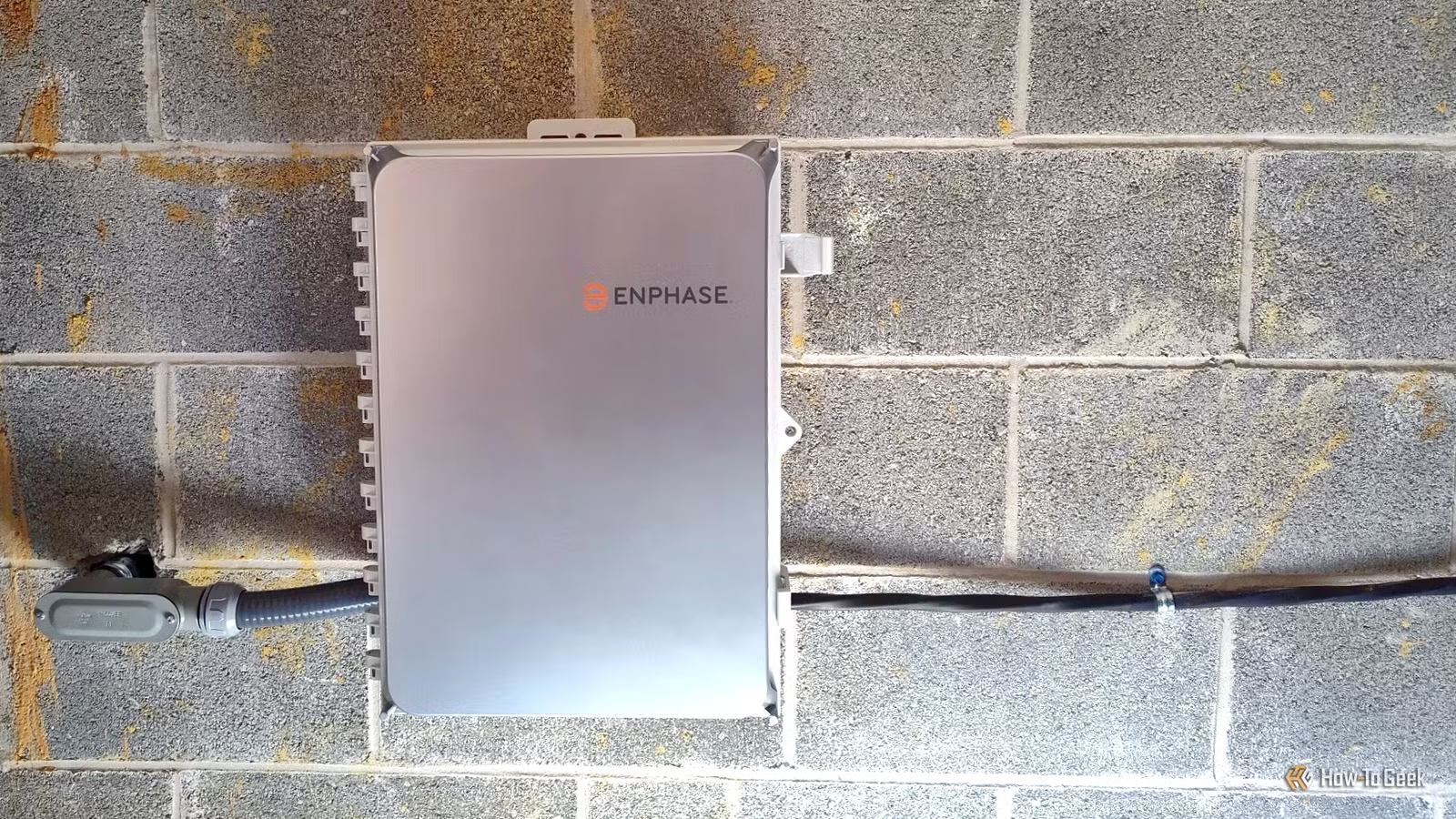
Installing rooftop solar panels is a wise choice, especially for those intending to stay in their homes long-term. Generally, it takes about a decade for solar panels to recoup their installation costs through savings on energy bills, and they can last over 20 years afterward.
Utilizing a smart home system like Home Assistant or Apple Home can help you track the power you generate. This enables you to set up automations that manage your appliances based on your available energy reserves.
For instance, you could connect a smart plug to an EV charger, allowing it to draw power from your solar panels, effectively enabling free charging during optimal conditions. For those wanting to fine-tune their energy usage, notifications on mobile devices can guide you in efficiently operating appliances throughout the day.
Smart Temperature Control
Efficient Automation for Comfort
Automating heating and cooling systems can significantly enhance your home environment. The approach you take will depend on your current heating and cooling arrangements. A smart thermostat is a relatively inexpensive option if your existing system allows for it. Homes with individual split systems may benefit from infrared proxies, while central heating setups might require smart valve controls for each radiator.
It’s also advantageous to install temperature sensors throughout your home, especially if you utilize zoned heating and cooling. While DIY setups are possible, opting for a complete system can simplify usage.
Last year, I upgraded my house with zoned central air and a wireless controller that integrates with an app and Home Assistant. This added approximately $500 to the cost, but it was a crucial feature in my renovation.
With the Home Assistant integration, I can manage everything through a dashboard, automating heating and cooling based on factors such as solar energy generation, time of day, and occupancy. Automations can also be set up to protect plumbing in winter or to keep pet-friendly cooling running in summer.
Smart Water Shut-off Valves
Preparation is Key
Investing in smart water shut-off valves may seem extravagant, but these devices can save you significantly in case of a plumbing emergency. They work with water leak sensors to automatically stop your water supply when a leak is detected, potentially protecting your home from extensive damage.
Installation doesn’t necessarily require a plumber, as many models are straightforward actuators compatible with existing systems, like the Bulldog Valve Controller. A smart valve not only safeguards against damage, but it can also help keep your insurance rates in check while relieving you of the stress associated with unexpected leaks.
Comprehensive Smart Locks
Security You Can Rely On
Smart locks are available at various price points, generally ranging from $100 to $400. To fully enjoy the benefits of smart entry, investing in locks for both your front and back doors is advisable; once you experience smart entry, reverting to traditional keys can be cumbersome.
Higher-end models typically offer more advanced features, such as palm vein recognition. It’s essential to choose a lock that meets your needs without a frequent need for upgrades, as future enhancements can be costlier.
Be mindful of the features that matter to you, including whether a backup keyhole is necessary, and anticipate having to purchase two locks for your doors. The positive aspect is that most smart locks can be easily installed with existing hardware.
Whole-Home Power-over-Ethernet
Reducing Wi-Fi Dependence
Minimizing Wi-Fi usage in your smart home environment can enhance device reliability. A robust connection helps critical devices like smartphones, laptops, and essential smart home gadgets operate smoothly.
Before adding security cameras, I plan to invest in a whole-home Power-over-Ethernet (PoE) system. Ethernet offers a more stable and faster connection compared to Wi-Fi, and it streamlines your wiring by combining data and power into a single cable.
This setup allows you to connect various smart devices, from sensors to network controllers. Depending on your skill level and home layout, installing PoE might be a manageable DIY project. However, hiring a professional could significantly increase the cost, especially if access to certain areas is limited.
With these substantial upgrades in mind, consider exploring some smart home devices that might be best to avoid.